

The Authority in Global Agricultural Chemistry & Bio-Resources
How to Choose Aquaculture Filter Housings for RAS: Materials, Flow Rate, and Maintenance
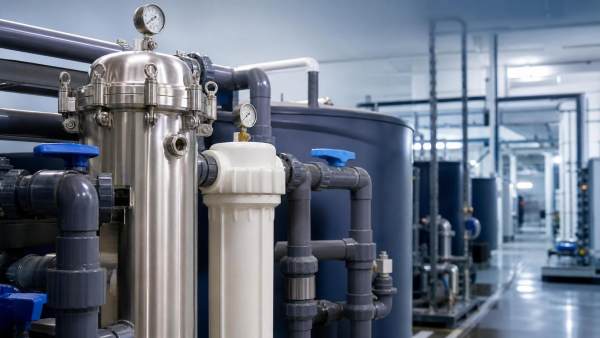
How to Choose Aquaculture Filter Housings for RAS: Materials, Flow Rate, and Maintenance
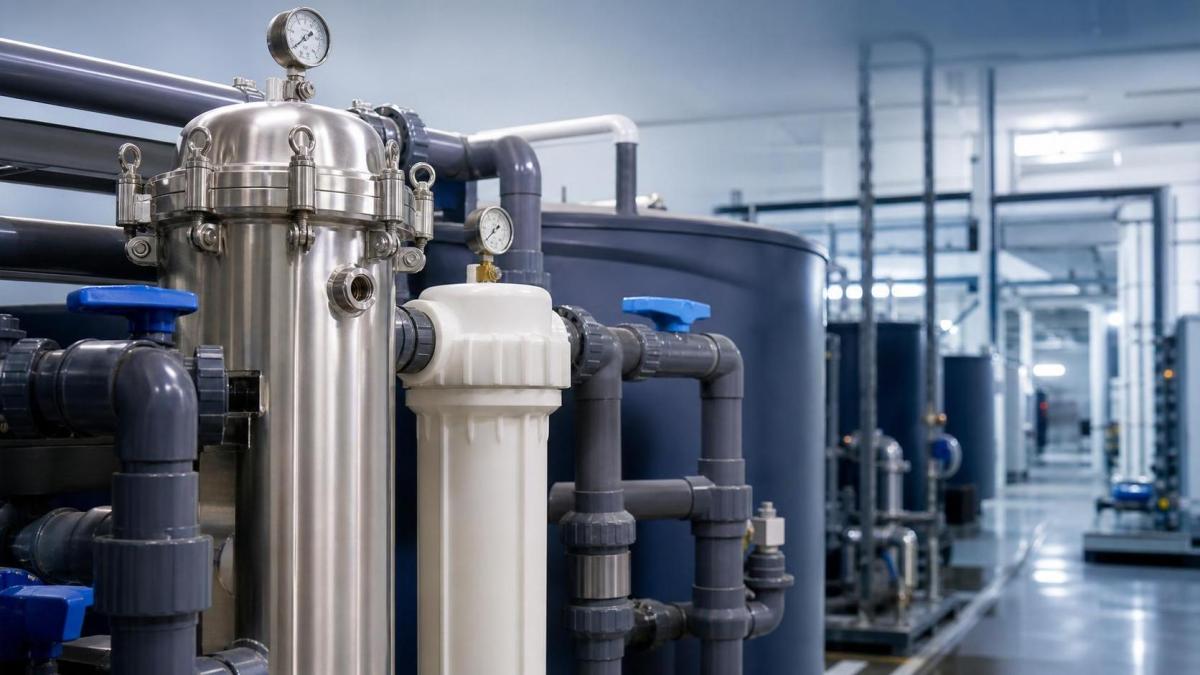
Selecting aquaculture filter housings for a recirculating aquaculture system demands more than matching pipe size or chasing the lowest bid.
In RAS operations, the housing affects solids capture, water stability, labor intensity, and long-term compliance with environmental and hygiene targets.
That is why aquaculture filter housings should be evaluated as a system component, not as a simple accessory.
A poor choice can trigger pressure loss, bypass events, corrosion, premature seal failure, and difficult cleaning routines.
A suitable choice supports stable flow, predictable maintenance, and cleaner water during normal loads and upset conditions.
This guide focuses on three decision areas: material selection, flow rate sizing, and maintenance access.
It also connects those factors to lifecycle cost, hygiene control, and practical RAS reliability.
Why aquaculture filter housings matter in RAS performance
In a recirculating aquaculture system, filtration equipment works under continuous hydraulic and biological stress.
Water often carries suspended solids, biofilm fragments, treatment residues, and variable salinity.
That means aquaculture filter housings must tolerate both chemical exposure and repeated pressure cycling.
The housing also influences filter integrity.
If the vessel deforms, seals poorly, or creates uneven flow, filtration efficiency drops even when media quality is high.
More importantly, unstable filtration can undermine downstream UV, ozone, or biofiltration stages.
In practice, this turns a housing decision into a water quality decision.
Material selection: start with water chemistry and cleaning regime
Material choice is usually the first technical screen for aquaculture filter housings.
The right material depends on salinity, temperature range, disinfectants, and cleaning frequency.
Common material options
- PVC and UPVC: cost-effective for moderate pressure and mild chemical environments.
- PP or reinforced polypropylene: useful where chemical resistance matters more than structural rigidity.
- Stainless steel 304: acceptable in some freshwater systems, but often limited in chloride-rich environments.
- Stainless steel 316 or 316L: stronger corrosion resistance, often preferred for demanding RAS duty.
- FRP or composite bodies: relevant for large systems needing corrosion resistance with lower weight.
Key evaluation points
Freshwater and marine applications should not share the same default assumptions.
Salt, chloride cleaners, and oxidizing agents can quickly expose weak material choices.
This is especially true at crevices, threaded joints, and seal contact areas.
Seal compatibility matters just as much as body material.
EPDM, Viton, silicone, or NBR gaskets should be matched to disinfectants and operating temperature.
Otherwise, even robust aquaculture filter housings can fail at the gasket line first.
How to size aquaculture filter housings for flow rate and pressure
Flow rate sizing is where many projects become misleading on paper.
A nominal line size does not confirm hydraulic suitability.
Aquaculture filter housings should be selected against actual operating flow, peak flow, and expected fouling conditions.
What to calculate before selection
- Normal system flow rate in cubic meters per hour or gallons per minute.
- Maximum upset or surge flow during cleaning, transfer, or stocking changes.
- Allowable pressure drop across clean and dirty elements.
- Pump curve behavior under rising resistance.
- Required retention of target particle size.
The goal is not just to pass water.
The goal is to maintain stable filtration without overloading pumps or starving downstream treatment stages.
Overly small housings raise velocity and pressure drop.
That can lead to media collapse, accelerated fouling, seal wear, and uneven loading inside the vessel.
Oversized housings create a different problem.
They may reduce velocity too much, increase capital cost, and complicate cleaning efficiency.
Pressure rating is not optional
Always compare working pressure, design pressure, and transient pressure events.
Pump startup, valve closure, and backwash transitions can create short spikes above steady-state readings.
Aquaculture filter housings need a realistic safety margin, not a best-case calculation.
Design details that improve maintenance and uptime
Maintenance access has a direct effect on labor hours and consistency.
When housings are difficult to open or inspect, service intervals usually drift.
That is where well-designed aquaculture filter housings provide a measurable operational advantage.
Maintenance-friendly features to look for
- Quick-release closures or swing-bolt covers for faster access.
- Drain and vent ports placed for complete emptying and safer reopening.
- Smooth internal surfaces that reduce residue buildup and biofilm retention.
- Clear differential pressure monitoring points.
- Replaceable seals and standard spare parts with known lead times.
- Enough surrounding clearance for cartridge or bag removal.
In real plants, maintenance space is often tighter than drawings suggest.
So the installation envelope should be reviewed together with the housing data sheet.
This also affects lockout procedures, manual handling risk, and turnaround time after contamination events.
Standards, documentation, and supplier checks
Technical evaluation should not stop at catalog claims.
Aquaculture filter housings should come with traceable specifications and testable documentation.
Useful documents during review
- Material certificates for wetted parts.
- Pressure test records or hydrotest statements.
- Chemical compatibility data for housing and gasket materials.
- Operating and maintenance manuals.
- Spare parts lists and service intervals.
- Applicable conformity statements for market and regulatory needs.
From a risk perspective, unclear documentation usually signals future procurement friction.
It can delay audits, warranty claims, and replacement sourcing during urgent shutdowns.
A stronger supplier will also discuss failure modes instead of only quoting rated flow.
A practical comparison framework for aquaculture filter housings
A side-by-side review helps remove sales bias from the selection process.
This type of matrix makes aquaculture filter housings easier to compare on operational value, not just purchase cost.
Common selection mistakes and how to avoid them
Several repeat mistakes appear across RAS retrofit and greenfield projects.
- Choosing by connection size alone instead of hydraulic performance.
- Using freshwater material assumptions in brackish or marine systems.
- Ignoring seal compatibility with cleaning chemicals.
- Underestimating maintenance clearance around installed housings.
- Accepting vendor flow ratings without pressure-drop context.
- Treating aquaculture filter housings as generic parts with unlimited interchangeability.
Avoiding these errors usually improves uptime faster than chasing minor media cost savings.
Final decision checklist for RAS procurement
Before approval, confirm that the shortlisted aquaculture filter housings meet five basic conditions.
- Materials match actual water chemistry and sanitation practice.
- Rated flow and pressure drop fit both normal and peak operating conditions.
- Pressure rating covers transient events with a credible safety margin.
- Maintenance access, spare parts, and seal replacement are straightforward.
- Documentation supports audits, warranty follow-up, and long-term sourcing.
When these points are checked carefully, aquaculture filter housings become a controllable engineering choice rather than a recurring operating problem.
For RAS projects, that usually translates into steadier water quality, fewer shutdown surprises, and lower lifecycle cost across the filtration line.
Related Intelligence
- RAS SystemsHow to Vet Middle East Oxygenation System Suppliers for RAS ProjectsOxygenation system suppliers Middle East: learn how to vet RAS partners for proven performance, resilience, local service, and lifecycle value.
- RAS SystemsRAS System Cost Model: What Investors Should Budget Beyond Initial EquipmentRAS system cost model guide for investors: budget beyond equipment for energy, compliance, working capital, resilience, and sustainable returns.
- RAS SystemsRAS Technology Explained: How Biofiltration and Oxygen Control Work TogetherRAS technology explained: discover how biofiltration and oxygen control work together to maintain stable water quality, protect fish health, and improve aquaculture performance.
The Morning Broadsheet
Daily chemical briefings, market shifts, and peer-reviewed summaries delivered to your terminal.
