

The Authority in Global Agricultural Chemistry & Bio-Resources
What affects wholesale potassium sorbate pricing?
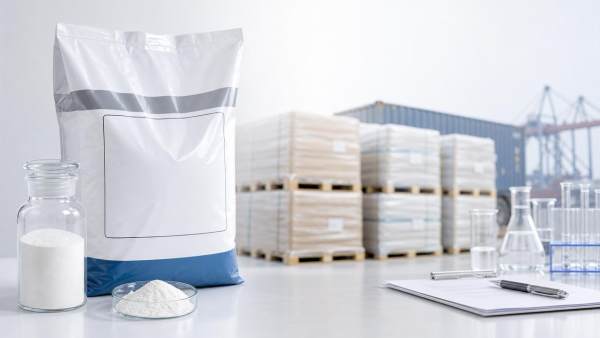
For industrial sourcing, wholesale potassium sorbate pricing is shaped by far more than a supplier’s quoted unit cost.
Raw material availability, production economics, compliance requirements, freight volatility, currency shifts, and regional demand all influence landed cost.
Understanding these variables helps evaluate supplier reliability, negotiate smarter terms, and reduce exposure to sudden market swings.
What is included in wholesale potassium sorbate pricing?
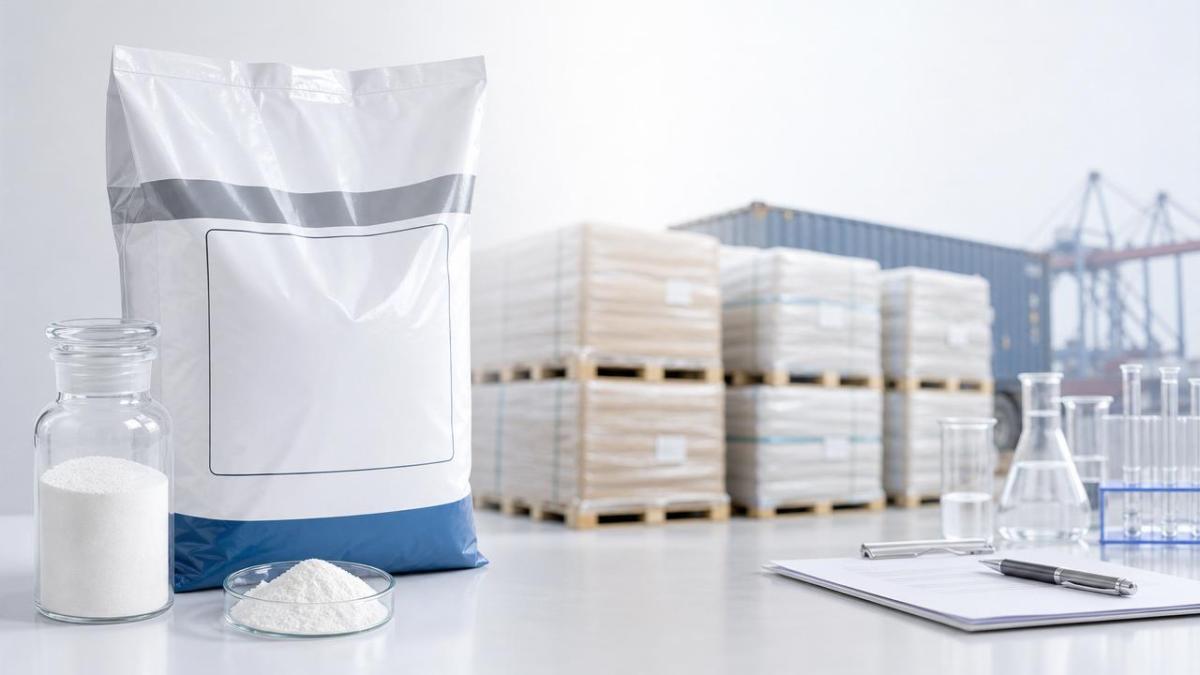
Wholesale potassium sorbate pricing usually reflects more than the potassium sorbate powder itself.
A realistic quote includes grade, purity, packaging, certification, payment terms, freight basis, and delivery schedule.
Food-grade material normally requires tighter documentation than general industrial preservative supply.
Common documents include COA, MSDS, allergen statement, non-GMO declaration, halal, kosher, and food contact packaging evidence.
These records add administrative cost, but they also reduce acceptance risk at the receiving facility.
In global trade, the quoted price may be FOB, CIF, CFR, DAP, or another Incoterms-based structure.
Each term changes who carries ocean freight, insurance, customs clearance, inland transport, and delay exposure.
For accurate comparison, wholesale potassium sorbate should be evaluated by landed cost per usable kilogram.
That calculation should include duties, inspection fees, demurrage probability, financing cost, and warehouse handling.
A lower ex-works number may become expensive if documentation, lead time, or logistics resilience is weak.
How do raw materials affect wholesale potassium sorbate?
Potassium sorbate is commonly produced from sorbic acid and potassium hydroxide or potassium carbonate.
Therefore, sorbic acid availability is one of the strongest cost drivers.
Sorbic acid supply depends on chemical feedstocks, plant operating rates, energy cost, and environmental controls.
When upstream chemical plants reduce output, wholesale potassium sorbate prices can tighten quickly.
Potassium alkali pricing also matters, especially when energy-intensive production faces regional power restrictions.
Energy prices influence drying, granulation, environmental treatment, and packaging operations.
In chemical supply chains, small upstream disruptions can create amplified downstream price movements.
Inventory levels at producers and distributors may soften or intensify these movements.
If distributors hold large stocks, wholesale potassium sorbate changes may appear with a delay.
If inventories are thin, spot pricing reacts faster to feedstock shortages or sudden demand growth.
Which raw material signals deserve attention?
- Sorbic acid operating rates and export availability.
- Potassium hydroxide or carbonate price trends.
- Energy costs in major producing regions.
- Environmental inspection cycles affecting chemical plants.
- Distributor stock levels and reorder timing.
Why do compliance standards change the final cost?
Potassium sorbate is widely used in food, beverage, bakery, dairy alternatives, sauces, wine, and feed applications.
Because it enters regulated products, compliance is not optional.
Food-grade wholesale potassium sorbate must meet relevant purity, safety, and contaminant limits.
Applicable references may include FCC, USP-NF, E202, FDA requirements, or local food additive rules.
Higher documentation depth can increase price, but it lowers rejection, recall, and audit risk.
Traceability also affects value.
A batch with clear production date, lot number, test results, and packaging records is more dependable.
Some suppliers quote lower prices by limiting documentation or offering mixed-origin inventory.
That approach may be unsuitable for high-control food systems or export-oriented formulations.
When evaluating wholesale potassium sorbate, the cheapest offer should be tested against regulatory acceptance.
Which certificates can influence pricing?
- Certificate of Analysis with batch-specific assay and impurity data.
- Food-grade conformity statement for the destination market.
- Halal, kosher, allergen, vegan, or non-GMO documents.
- Packaging compliance for direct or indirect food contact.
- Third-party audit evidence for quality management systems.
How do packaging, order volume, and contract terms affect price?
Packaging format can materially change wholesale potassium sorbate cost.
Common options include 25 kg cartons, fiber drums, paper bags with liners, and palletized export packaging.
Moisture protection is important because potassium sorbate quality depends on stable storage conditions.
Stronger packaging may cost more, yet it protects flowability, assay consistency, and shelf life.
Order volume also changes the price curve.
Full-container orders often reduce unit freight and handling expenses.
Smaller lots may suit uncertain demand, but they usually carry higher per-kilogram logistics cost.
Contract duration matters as well.
A fixed quarterly contract can stabilize wholesale potassium sorbate expenditure during volatile spot markets.
However, fixed prices may include a risk premium when feedstock uncertainty is high.
Index-linked contracts can share risk more transparently when clear reference data is available.
Why does logistics create sudden wholesale potassium sorbate price changes?
Freight volatility can reshape the economics of wholesale potassium sorbate even when factory prices remain stable.
Ocean freight, port congestion, container shortages, fuel surcharges, and insurance rates all affect landed cost.
Bulk chemical ingredients also face documentation checks, customs classification review, and possible inspection delays.
These delays can create demurrage, storage charges, and production planning stress.
Currency movement is another logistics-linked variable.
If purchase currency differs from sales or operating currency, exchange movement changes real cost.
Forward contracts or currency clauses can reduce exposure in large wholesale potassium sorbate purchases.
Regional routing also matters.
A supplier near a reliable port may outperform a cheaper inland source with unpredictable transport availability.
The best quote is rarely just the lowest factory number.
It is the offer with dependable timing, clear responsibility, and predictable landed economics.
How does demand from food, beverage, and feed markets influence price?
Demand for wholesale potassium sorbate often rises with packaged food, beverage, bakery, condiment, and animal feed output.
Seasonal beverage production can create short-term regional pressure.
Sauce, wine, cheese alternative, and dried fruit processing cycles may also affect purchasing patterns.
In feed and grain processing, preservative demand can respond to storage risk and humidity conditions.
When several downstream sectors restock simultaneously, available spot material may tighten.
Demand is also influenced by formulation decisions.
Some products can use alternative preservatives, while others rely on potassium sorbate for performance and label acceptance.
When reformulation is difficult, buyers may accept higher wholesale potassium sorbate prices to protect production continuity.
Regional regulation can also shift demand.
Changes in permitted preservative levels or labeling expectations may redirect purchases toward compliant suppliers.
How can offers for wholesale potassium sorbate be compared fairly?
Fair comparison requires a structured review of quality, cost, risk, and service.
Start by normalizing all offers to the same Incoterms, currency, packaging, and delivery destination.
Then compare assay, particle form, shelf life, certificate scope, and batch traceability.
The evaluation should also include supplier responsiveness and claim-handling procedures.
A reliable wholesale potassium sorbate supplier should provide consistent documentation before shipment.
Pre-shipment samples can help confirm solubility, sensory neutrality, and process compatibility.
For recurring purchases, keep a scorecard covering delivery, conformity, complaint rate, and price variance.
This turns price negotiation into evidence-based supplier management.
What risks and mistakes should be avoided?
The first mistake is comparing only headline price.
Wholesale potassium sorbate with weak traceability can create far higher downstream costs than a premium material.
The second mistake is ignoring shelf life and storage conditions.
Excess inventory may reduce emergency buying, but overstocking can increase aging and warehouse risk.
The third mistake is relying on verbal claims.
Every specification, certification, delivery commitment, and price adjustment rule should be documented.
The fourth mistake is overlooking substitution limits.
Alternative preservatives may change flavor, pH performance, microbial control, or label acceptance.
For stable sourcing, wholesale potassium sorbate should be managed as a regulated ingredient, not a simple commodity.
Summary: what should guide the next sourcing decision?
Wholesale potassium sorbate pricing reflects feedstocks, production costs, compliance depth, packaging, logistics, currency, and market demand.
A strong sourcing decision starts with landed-cost analysis and ends with documented supplier reliability.
Before confirming an order, verify grade, certificates, Incoterms, shelf life, packaging integrity, and lead time.
For recurring demand, build a price-monitoring file covering sorbic acid trends, freight rates, and supplier performance.
The most resilient strategy balances cost efficiency with compliance, traceability, and continuity.
That approach turns wholesale potassium sorbate purchasing into a controlled supply-chain decision, not a reactive spot-market exercise.
Related Intelligence
- Natural IngredientsBotanical Ingredient Prices in Europe: Comparing Quotes by Grade and Order VolumeCompare Europe botanical ingredients price quotes by grade and order volume. Discover how potency, testing, delivery, and inventory costs reveal real savings before you buy.
- Natural IngredientsMayonnaise vs. Salad Dressing: Ingredient and Texture DifferencesMayonnaise vs. salad dressing: discover key ingredient, texture, stability, and application differences to choose the right product for every recipe.
- Natural IngredientsIndustrial-Scale Agricultural Sourcing: Key Criteria for Reliable SupplyIndustrial scale agri sourcing made reliable: assess supplier capacity, traceability, landed cost, logistics, and resilience to protect production continuity.
The Morning Broadsheet
Daily chemical briefings, market shifts, and peer-reviewed summaries delivered to your terminal.
