

The Authority in Global Agricultural Chemistry & Bio-Resources
Why fishery technology for sustainable aquaculture matters
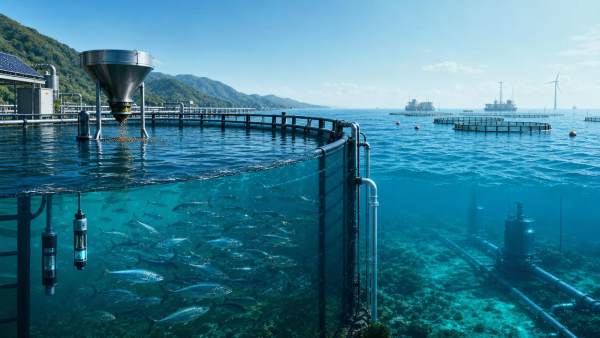
Why fishery technology for sustainable aquaculture matters
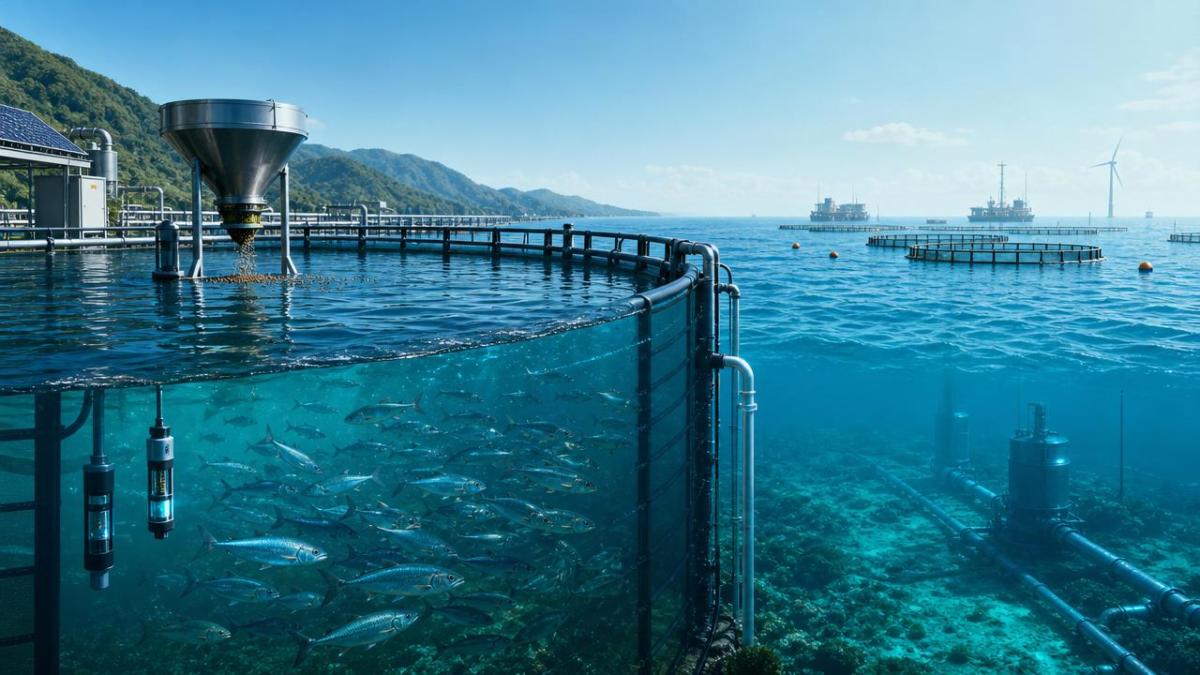
As seafood demand rises and environmental scrutiny intensifies, aquaculture innovation is no longer optional for resilient production systems.
Fishery technology for sustainable aquaculture improves yield predictability, reduces disease exposure, supports compliance, and strengthens long-term supply reliability.
From AI monitoring to precision feeding, the right tools help farms balance profitability with ecological responsibility.
Scenario judgment: why operating context changes technology priorities
Not every aquaculture site needs the same system, sensor, feed protocol, or automation layer.
Fishery technology for sustainable aquaculture matters because water source, species, stocking density, regulation, and market channel change operational risk.
A shrimp pond, offshore cage, RAS facility, and shellfish lease face different constraints.
The best decision starts with scenario mapping, not equipment selection.
A useful assessment connects four questions: What must be controlled, measured, automated, and documented?
This approach turns sustainable aquaculture technology into a performance framework rather than a capital expense.
Scenario one: intensive farms need real-time water intelligence
High-density production depends on oxygen stability, ammonia control, temperature balance, and rapid response to biological stress.
In this setting, fishery technology for sustainable aquaculture should prioritize continuous water monitoring and alarm-based intervention.
Sensors for dissolved oxygen, pH, salinity, turbidity, and nitrogen compounds create early warnings before losses escalate.
Cloud dashboards help compare ponds, tanks, or cages without waiting for manual sampling cycles.
Core judgment points include sensor calibration frequency, data latency, backup power, and compatibility with aeration or dosing systems.
If alarms cannot trigger action, monitoring becomes observation rather than risk control.
Scenario two: feed-intensive operations need precision feeding
Feed often represents the largest production cost and a major source of nutrient discharge.
Fishery technology for sustainable aquaculture is especially valuable where feed conversion ratio determines margin and environmental footprint.
Automated feeders, acoustic appetite detection, computer vision, and biomass estimation reduce waste and uneven growth.
They also support better harvest forecasting by linking feeding behavior with growth curves.
The main judgment is whether feeding decisions reflect real appetite, not only fixed schedules.
Sites using premium feed, functional additives, or alternative proteins gain stronger value from precise delivery.
Scenario three: disease-sensitive systems need biosecurity visibility
Disease outbreaks can erase production gains faster than almost any other operational shock.
Fishery technology for sustainable aquaculture supports prevention through digital health records, pathogen screening, and behavioral analytics.
Computer vision can detect abnormal swimming, surface gasping, lesions, or reduced feeding activity.
Genomic tools and rapid diagnostics help identify pathogens before mortality becomes visible.
Technology selection should consider sampling workflow, quarantine protocols, treatment records, and traceability requirements.
The goal is not more data, but earlier decisions and fewer emergency treatments.
Scenario four: recirculating aquaculture needs integrated control
Recirculating aquaculture systems offer water efficiency, location flexibility, and controlled production.
Yet RAS facilities depend on tight integration between filtration, oxygenation, temperature, feeding, and waste removal.
Fishery technology for sustainable aquaculture in RAS should emphasize automation logic and system redundancy.
Biofilters, drum filters, UV units, ozone systems, and degassing equipment must operate as one controlled ecosystem.
Key judgment points include fail-safe design, maintenance access, energy demand, and alarm escalation.
A sustainable RAS model is measured by biological stability, not only water reuse percentage.
Scenario five: offshore and open-water sites need remote resilience
Open-water farms face weather exposure, current variation, predator pressure, and difficult inspection conditions.
For these sites, fishery technology for sustainable aquaculture must support remote supervision and robust infrastructure decisions.
Underwater cameras, sonar, autonomous vehicles, smart nets, and mooring sensors reduce blind spots.
They also improve net integrity checks, escape prevention, and welfare observation.
The core judgment is whether data can be captured reliably under low visibility, storms, and communication limits.
Durability, service intervals, and corrosion resistance often matter as much as software capability.
Scenario differences: matching technology to production pressure
This comparison shows why fishery technology for sustainable aquaculture should be evaluated by operating pressure.
A system that performs well in RAS may not survive offshore conditions.
Scenario adaptation: how to build a practical implementation path
A staged roadmap reduces technology risk and improves adoption across complex aquaculture environments.
- Start with the constraint causing the largest loss or uncertainty.
- Measure baseline mortality, FCR, water stability, energy use, and labor hours.
- Select fishery technology for sustainable aquaculture that improves one critical metric first.
- Test integration with existing pumps, feeders, sensors, and record systems.
- Define alert thresholds and response ownership before scaling.
- Review performance after one production cycle, not one installation week.
This sequence prevents overinvestment in tools that look advanced but solve secondary problems.
It also supports clearer sustainability reporting and stronger operational accountability.
Common misjudgments when selecting aquaculture technology
The first mistake is treating fishery technology for sustainable aquaculture as a single product category.
In practice, sustainability depends on the fit between biology, infrastructure, energy, labor, and market requirements.
The second mistake is ignoring data quality.
Poor calibration, missing records, and inconsistent sampling weaken even sophisticated AI models.
The third mistake is underestimating maintenance.
Sensors foul, feeders clog, cameras degrade, and offshore electronics face corrosion.
The fourth mistake is separating compliance from operations.
Digital records for treatments, water discharge, feed use, and stock movement can reduce audit friction.
The fifth mistake is focusing only on yield.
Modern seafood supply chains increasingly value welfare, traceability, emissions, and responsible resource use.
Why the wider primary industries ecosystem should pay attention
Fishery technology for sustainable aquaculture connects with feed production, fine chemicals, bio-extracts, water treatment, and processing logistics.
Better farm data can influence feed formulation, additive validation, cold-chain planning, and ingredient traceability.
It can also support stronger evidence for responsible sourcing claims and environmental performance reporting.
For AgriChem Chronicle, this intersection is central to modern primary industry intelligence.
Aquaculture no longer stands apart from biochemical standards, machinery design, regulatory compliance, or ingredient markets.
Action guide: turning insight into the next decision
The next step is to define the scenario before comparing vendors, equipment, or platforms.
List the top three operational risks, then connect each risk to a measurable technology function.
For water instability, prioritize monitoring and automated response.
For feed pressure, prioritize appetite detection, biomass estimation, and FCR analytics.
For health risk, prioritize diagnostics, digital records, and early behavior detection.
For remote sites, prioritize durable hardware, communication reliability, and inspection visibility.
Fishery technology for sustainable aquaculture matters because it changes decisions before losses become visible.
When matched to the right scenario, it improves production confidence, environmental performance, and long-term supply resilience.
Use scenario-based evaluation to move from interest to implementation with clearer evidence, lower risk, and stronger sustainability outcomes.
Related Intelligence
- RAS SystemsSustainable Aquaculture Practices That Cut Feed Waste and Protect Fish Farm Water QualitySustainable aquaculture for fish farms: reduce feed waste, protect water quality, and build resilient, efficient systems with practical strategies.
- RAS SystemsDrum Filter System Price: How Flow Rate, Micron Rating, and Automation Affect CostDrum filter system price depends on flow rate, micron rating, automation, materials, and lifecycle costs. Compare quotes confidently and choose the right system.
- RAS SystemsHow to Specify Large-Scale Fish Farming Equipment for High-Output RAS ProjectsLarge scale fish farming equipment guide for high-output RAS projects—specify tanks, filtration, oxygen, automation, and redundancy for reliable growth.
The Morning Broadsheet
Daily chemical briefings, market shifts, and peer-reviewed summaries delivered to your terminal.
