

The Authority in Global Agricultural Chemistry & Bio-Resources
Indonesia to Amend E-Commerce Law: Local SMEs Prioritized
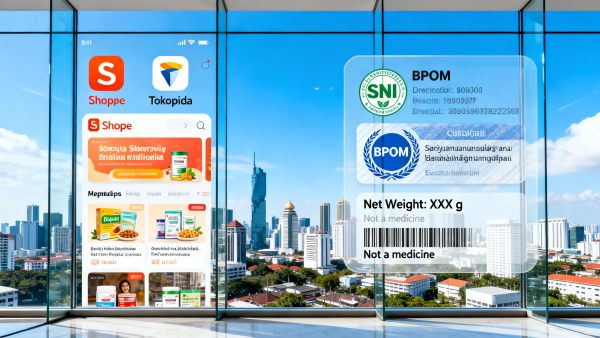
Indonesia is advancing revisions to its E-Commerce Law, introducing new platform-level obligations aimed at boosting domestic small and medium enterprises (SMEs). Though the exact effective date remains unannounced, regulatory drafts indicate implementation is expected in Q3 2024. The move signals a structural shift in digital marketplace governance — one that directly reshapes market access conditions for foreign exporters of natural ingredients, particularly those supplying functional food, dietary supplement, and cosmetic ingredient markets.
Event Overview
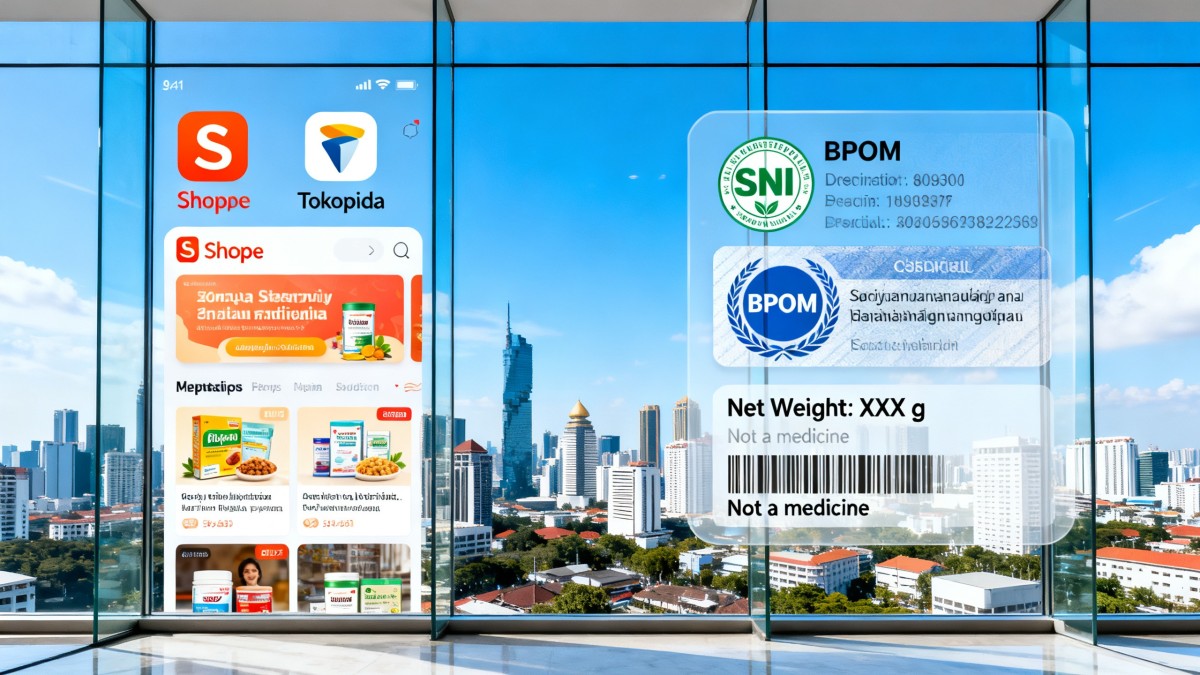
Indonesia is revising its E-Commerce Law to require major platforms—including Shopee and Tokopedia—to adjust their recommendation algorithms so that products from Indonesian SMEs holding both SNI (Standard Nasional Indonesia) certification and a valid local business registration number are prioritized in search results and homepage placements. For exporters of natural ingredients—such as curcumin and plant sterols—to maintain visibility on these platforms, compliance with three requirements is now mandatory: BPOM (Badan Pengawas Obat dan Makanan) product registration, Indonesian-language labeling, and formal appointment of an Indonesian-domiciled distributor registered with relevant authorities. Failure to meet all three will result in loss of front-end exposure—not just listing removal.
Industries Affected
Direct Trading Enterprises
Exporters selling natural ingredients directly into Indonesia via e-commerce channels—especially B2B2C or cross-border D2C models—are immediately impacted. Their ability to generate organic traffic, conversion, and repeat orders hinges on algorithmic visibility. Without BPOM registration and local distributor备案 (i.e., official filing), their listings will be deprioritized regardless of price competitiveness or quality documentation. This elevates operational overhead and extends time-to-market by several months per SKU.
Raw Material Sourcing Enterprises
Firms sourcing raw botanicals or fermented actives for re-export (e.g., EU-based blenders procuring Indonesian turmeric for curcumin extraction) face indirect but material risk. If their downstream Indonesian partners lack compliant labeling or BPOM clearance, the entire supply chain’s go-to-market velocity slows. Moreover, procurement contracts may now require upstream verification of downstream regulatory readiness — adding due diligence layers previously uncommon in spot-buy agreements.
Processing & Manufacturing Enterprises
Contract manufacturers and toll processors producing finished formats (e.g., microencapsulated curcumin powders or standardized plant sterol blends) must now align production documentation with BPOM’s labeling specifications—including font size, allergen declarations, and mandatory disclaimer phrasing in Bahasa Indonesia. Batch-level traceability must also map to the locally registered distributor’s ID, meaning ERP and labeling systems may require configuration updates ahead of Q3.
Supply Chain Service Providers
Regulatory consultancies, customs brokers, and logistics firms offering ‘end-to-end Indonesia market entry’ packages will see demand shift toward integrated BPOM registration + SNI alignment + distributor onboarding services. Standalone label translation or shipment clearance no longer suffices. Providers lacking certified BPOM filing agents or local legal entities for distributor registration may lose competitive differentiation.
Key Focus Areas & Recommended Actions
Confirm BPOM Registration Eligibility Before Q3
BPOM registration timelines vary significantly by product category (food additive vs. health supplement claim). Exporters should initiate pre-submission consultations now—not after draft law publication—to identify classification ambiguities (e.g., whether a plant sterol isolate qualifies as a ‘functional food ingredient’ or ‘dietary supplement’ under BPOM Regulation No. 27/2023).
Validate Local Distributor Capacity & Compliance History
A registered distributor is not merely a legal nominee: BPOM requires active post-market surveillance responsibilities, including adverse event reporting and shelf-life monitoring. Select distributors with documented BPOM audit history and existing SNI-certified warehousing — not just corporate registration certificates.
Localize Labeling Beyond Translation
Indonesian-language labels must comply with BPOM Regulation No. 30/2023: mandatory inclusion of net weight in grams (not kg), country-of-origin statement placement (bottom third of primary display panel), and explicit ‘Not a medicine’ disclaimers where functional claims exist. Automated translation tools do not satisfy this requirement; certified linguists with BPOM label review experience are necessary.
Editorial Perspective / Industry Observation
Observably, this amendment is less about protectionism per se and more about institutionalizing traceability and accountability in Indonesia’s fast-growing digital FMCG sector. The SNI + BPOM + local distributor triad creates a verifiable identity layer for every listed product — addressing long-standing concerns over counterfeit supplements and mislabeled herbal extracts. Analysis shows that similar algorithmic prioritization rules in Vietnam (Decree 85/2022/ND-CP) led to a 37% average increase in SME sales volume on Shopee Vietnam within six months — but only among firms that completed full regulatory onboarding. Current data suggests Indonesia’s enforcement rigor will likely exceed Vietnam’s initial phase, given BPOM’s recent expansion of field inspection units.
Conclusion
This regulatory development does not signal market closure — rather, it redefines the baseline for credible participation. For natural ingredients exporters, compliance is no longer a back-office formality but a frontline commercial requirement. The shift favors players who treat regulatory infrastructure as core IP — investing early in local partnerships, documentation systems, and multilingual quality assurance — over those treating Indonesia as a ‘low-barrier’ emerging market.
Source Attribution
Primary reference: Draft Amendment to Law No. 11/2008 on Electronic Information and Transactions, circulated by Indonesia’s Ministry of Communication and Informatics (Kominfo), May 2024. Supplementary guidance drawn from BPOM Regulation No. 27/2023 (Registration of Food Supplements) and SNI ISO/IEC 17065:2019 implementation notes issued by BSN (National Standardization Agency). Note: Final implementing regulations, including enforcement thresholds and penalty structures, remain pending issuance and are subject to revision through public consultation until July 2024.
Related Intelligence
- Natural IngredientsBotanical Ingredient Prices in Europe: Comparing Quotes by Grade and Order VolumeCompare Europe botanical ingredients price quotes by grade and order volume. Discover how potency, testing, delivery, and inventory costs reveal real savings before you buy.
- Natural IngredientsMayonnaise vs. Salad Dressing: Ingredient and Texture DifferencesMayonnaise vs. salad dressing: discover key ingredient, texture, stability, and application differences to choose the right product for every recipe.
- Natural IngredientsIndustrial-Scale Agricultural Sourcing: Key Criteria for Reliable SupplyIndustrial scale agri sourcing made reliable: assess supplier capacity, traceability, landed cost, logistics, and resilience to protect production continuity.
The Morning Broadsheet
Daily chemical briefings, market shifts, and peer-reviewed summaries delivered to your terminal.
