

The Authority in Global Agricultural Chemistry & Bio-Resources
Hainan Unveils 18 Measures for Travel-Based Elder Care, Expanding Demand for Natural Ingredients & Food-Grade Enzymes
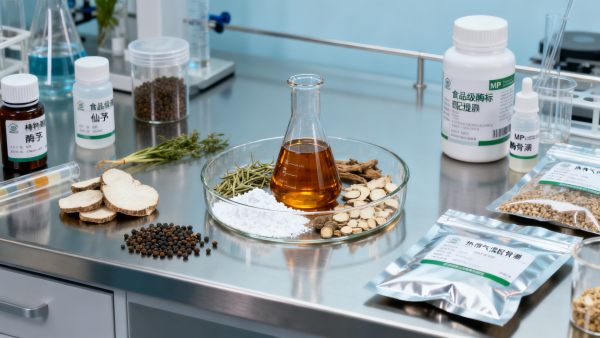
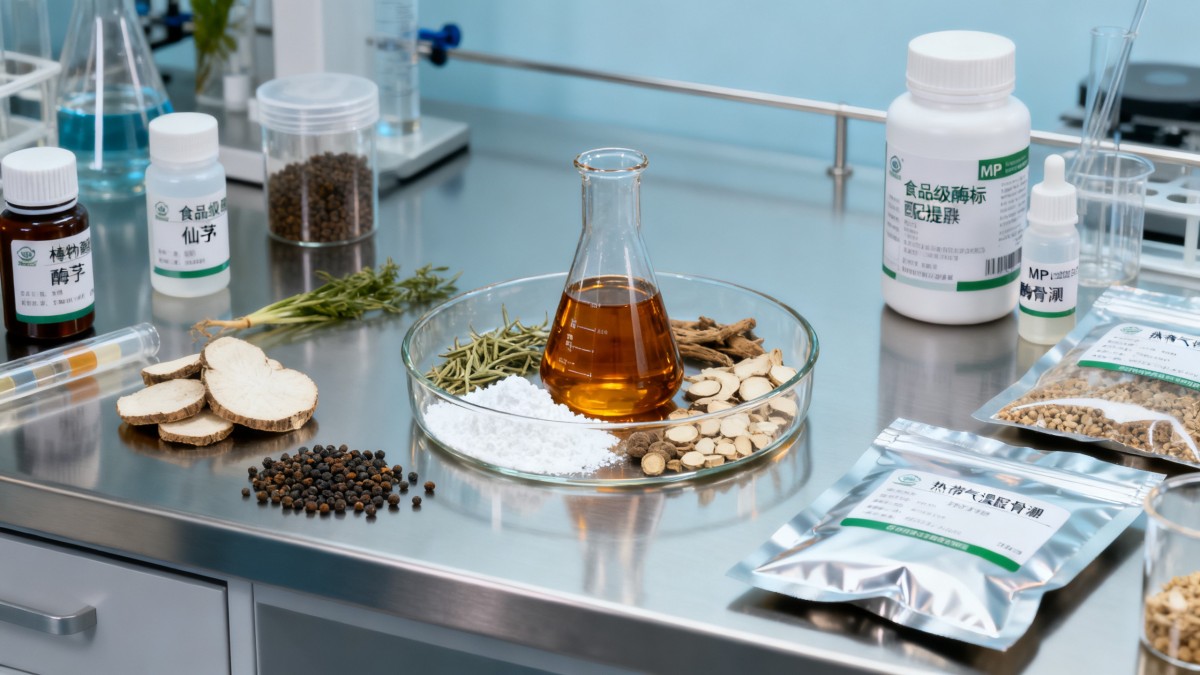
Hainan Province recently issued the Several Measures to Promote High-Quality Development of Travel-Based Elder Care, introducing 18 policy initiatives—including the construction of ‘Southern Chinese Medicine Health Experience Bases’, support for functional food registration using botanical extracts, and establishment of a nutritional intervention database for older adults. Though the exact issuance date is not publicly specified in available documents, the measures signal a targeted expansion of application scenarios for natural ingredients and food-grade enzymes—particularly among export-oriented manufacturers and importers serving Japan, South Korea, Hong Kong, Macao, and Southeast Asia. This development warrants attention from ingredient suppliers, functional food developers, regulatory affairs specialists, and cross-border health product traders.
Event Overview
Hainan Provincial Government released the Several Measures to Promote High-Quality Development of Travel-Based Elder Care. The document outlines three core actions: (1) building ‘Southern Chinese Medicine Health Experience Bases’; (2) supporting the filing (registration) of functional foods containing plant-derived active compounds; and (3) establishing a nutrition intervention database targeting the aging population. It also references standardized elderly wellness packaging solutions for export markets and highlights a green-channel filing process and GMP-linked certification mechanism for imported health products and functional foods.
Industries Affected
Direct Trade Enterprises
Importers and exporters of dietary supplements and functional foods—especially those operating between Hainan and Japan, South Korea, Hong Kong, Macao, or Southeast Asia—may face revised compliance expectations. The mention of ‘standardized wellness packaging solutions’ implies potential harmonization of labeling, dosage forms, and documentation requirements aligned with regional market preferences.
Raw Material Sourcing Companies
Firms supplying botanical extracts, natural ingredients, or food-grade enzymes may see increased demand for traceable, GMP-aligned, and functionally characterized materials. The policy’s emphasis on ‘plant extract-based functional food filing’ suggests tighter linkage between upstream raw material specifications and downstream regulatory submissions.
Manufacturing & Contract Development Organizations
Contract manufacturers and formulators serving the functional food segment may need to align facility certifications with Hainan’s proposed GMP联动 (GMP-linked) certification framework. This could affect batch release timelines, audit readiness, and documentation standards required for filings under the green channel.
Supply Chain & Regulatory Support Providers
Third-party regulatory consultants, logistics providers specializing in temperature-sensitive health products, and packaging solution vendors may experience rising demand for services tied to Hainan-specific filing pathways—especially those involving bilingual (Chinese–English) dossier preparation, shelf-life validation for tropical climates, and export-ready packaging compliance.
What Relevant Enterprises or Practitioners Should Focus On
Monitor official implementation guidelines and timeline announcements
The current document outlines strategic directions but does not specify operational timelines, eligibility criteria, or technical filing templates. Stakeholders should track updates from Hainan Provincial Department of Civil Affairs, Hainan Provincial Drug Administration, and provincial market supervision authorities.
Identify priority categories linked to ‘Southern Chinese Medicine’ and geriatric nutrition
Botanicals traditionally used in Southern Chinese Medicine (e.g., Alisma orientale, Curculigo orchioides, Psoralea corylifolia)—and associated enzymes or co-factors supporting bioavailability or metabolic activation—are likely to be early beneficiaries. Functional claims related to cognitive support, joint health, and digestive resilience may gain traction under the new nutritional intervention database framework.
Distinguish between policy signaling and near-term operational impact
Analysis shows that the measures currently serve as a strategic orientation rather than an immediately enforceable regulatory regime. While the green channel and GMP linkage are highlighted, no formal inter-agency agreement or procedural SOP has been published to date. Stakeholders should treat these as forward-looking signals—not binding procedures—until further notice.
Prepare for documentation alignment and cross-departmental coordination
Companies intending to leverage Hainan’s filing pathway should begin mapping internal quality systems against both China’s Measures for the Registration and Filing of Health Food (State Administration for Market Regulation Order No. 22) and emerging provincial-level interpretation. Early engagement with local regulatory liaison offices—and alignment of raw material certificates, stability data, and label drafts—is advisable ahead of pilot program launches.
Editorial Perspective / Industry Observation
Observably, this policy reflects Hainan’s broader effort to position itself as a hub for integrated health service exports—not just tourism. From an industry perspective, the inclusion of botanical extracts, food-grade enzymes, and natural ingredients in a geriatric care context signals a shift toward evidence-informed, formulation-driven wellness models. However, it is more accurately understood as an institutional signal than an immediate market catalyst: implementation depends on inter-departmental coordination, technical capacity building, and alignment with national-level health food regulations. Continued observation is warranted—not only for policy rollout but also for how provincial data infrastructure (e.g., the silver-age nutrition database) may inform future national R&D incentives or clinical claim substantiation frameworks.
Current developments do not yet indicate a de facto regulatory divergence from national standards—but rather a focused provincial experiment in streamlining pathways for specific product categories serving defined demographic and geographic markets.
Conclusion
This initiative marks a deliberate step toward integrating regional botanical resources, regulatory agility, and demographic trends into a scalable health product ecosystem. Its primary significance lies not in immediate commercial conversion, but in its role as a testbed for coordinated policy implementation across civil affairs, drug regulation, and market supervision domains. For now, it is best understood as a directional marker—not a rule change—and merits monitoring primarily by stakeholders whose business models intersect with Hainan’s target export corridors and geriatric nutrition value chain.
Information Sources:
— Official document: Several Measures to Promote High-Quality Development of Travel-Based Elder Care, issued by Hainan Provincial Government.
— Publicly disclosed policy highlights reported via Hainan Provincial Department of Civil Affairs and Hainan Provincial Drug Administration channels.
Note: Implementation timelines, technical specifications for the ‘green channel’, and operational details of the GMP-linked certification mechanism remain pending official publication and are subject to ongoing observation.
Related Intelligence
- Natural IngredientsMayonnaise vs. Salad Dressing: Ingredient and Texture DifferencesMayonnaise vs. salad dressing: discover key ingredient, texture, stability, and application differences to choose the right product for every recipe.
- Natural IngredientsIndustrial-Scale Agricultural Sourcing: Key Criteria for Reliable SupplyIndustrial scale agri sourcing made reliable: assess supplier capacity, traceability, landed cost, logistics, and resilience to protect production continuity.
- Natural IngredientsHow Microencapsulated Botanical Ingredients Improve Stability and Controlled ReleaseMicroencapsulated botanical ingredients enhance stability, protect sensitive actives, and enable controlled release for reliable performance across demanding applications.
The Morning Broadsheet
Daily chemical briefings, market shifts, and peer-reviewed summaries delivered to your terminal.
