

The Authority in Global Agricultural Chemistry & Bio-Resources
US Consumer Confidence Hits Record Low, Enzyme Imports Under Pressure
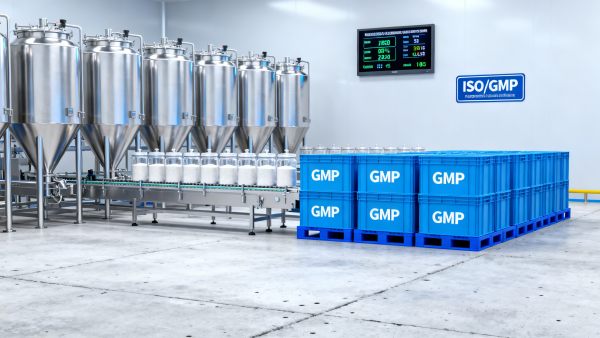
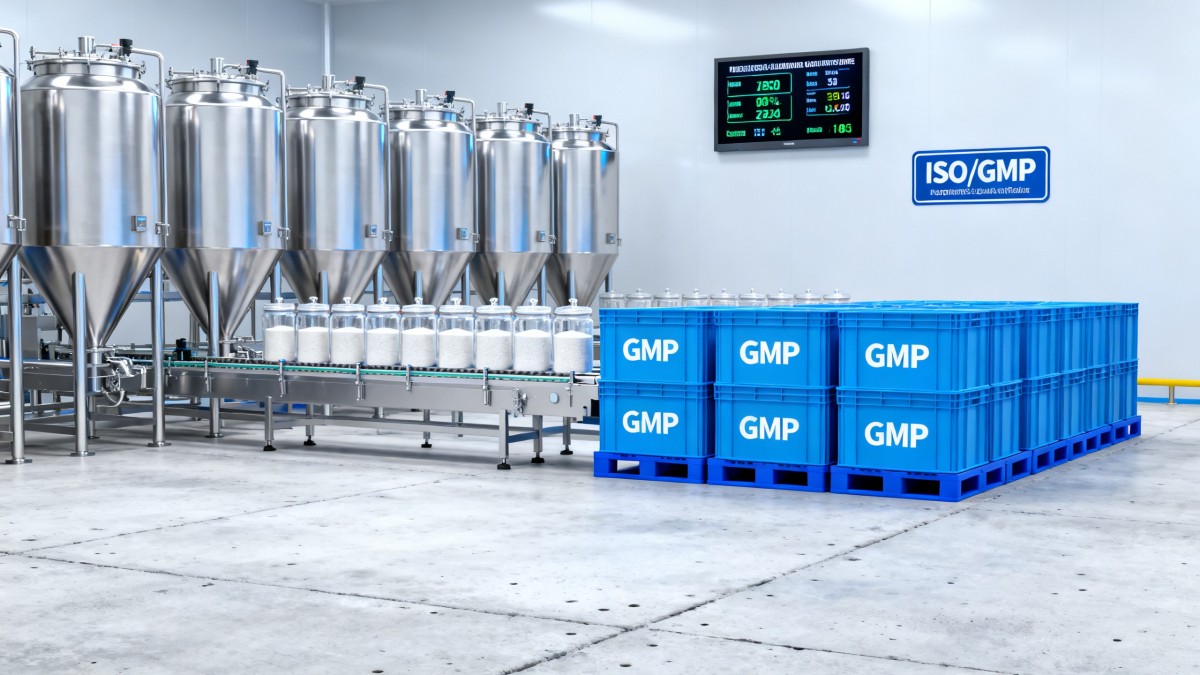
A sharp decline in US consumer sentiment — with the University of Michigan’s May 2024 Consumer Sentiment Index falling to 44.8, a record low — is exerting tangible pressure on global trade flows for food-grade enzymes. The event, dated May 24, 2024, reflects intensifying inflation concerns linked to geopolitical escalation in the Middle East, particularly the Iran-related conflict. This macroeconomic shift is now reshaping procurement behavior across the functional food and enzyme supply chain.
Event Overview
The University of Michigan reported its preliminary May 2024 Consumer Sentiment Index at 44.8 — the lowest level since the index’s inception in 1952. Concurrently, the one-year inflation expectation rose to 4.8%. These figures were released on May 24, 2024, and reflect survey data collected early that month.
Industries Affected
Direct Trade Enterprises: Importers and distributors specializing in food-grade enzymes (e.g., amylases, proteases, glucose isomerase) face compressed margin visibility and heightened order volatility. With end-market demand signals weakening, forward contract commitments are being reassessed; many are shifting from annual or quarterly blanket orders toward shorter-term purchase orders tied to immediate production needs.
Raw Material Procurement Firms: Companies sourcing enzymes for downstream applications — notably in baking, dairy processing, and plant-based protein formulation — are recalibrating safety stock levels. The drop in consumer confidence correlates with reduced retail foot traffic and softer foodservice volumes, prompting cautious inventory planning and increased reliance on just-in-time replenishment over bulk pre-positioning.
Processing & Manufacturing Enterprises: Food manufacturers incorporating enzymatic solutions into product development (e.g., clean-label texture modifiers, allergen-reduced baked goods) are delaying scale-up trials and postponing new SKU launches. Lower consumer spending power increases sensitivity to ingredient cost pass-through, making premium enzyme-driven innovations harder to justify near term.
Supply Chain Service Providers: Third-party logistics firms, customs brokers, and certification support agencies report rising client requests for expedited documentation turnaround and modular compliance packages — especially for GMP-aligned audits and small-batch traceability — as importers seek operational agility amid uncertainty.
Key Focus Areas and Recommended Actions
Strengthen GMP Audit Responsiveness
With buyers prioritizing regulatory readiness and audit transparency, Chinese enzyme exporters should formalize documented GMP compliance frameworks — including internal audit logs, supplier qualification records, and batch-specific validation summaries — ready for rapid deployment upon request.
Develop Flexible Small-Batch Delivery Protocols
Given the observed shift toward short-cycle procurement, exporters must refine minimum order quantities (MOQs), optimize packaging for partial-container loads, and integrate real-time inventory visibility tools accessible to overseas clients.
Enhance Inflation-Linked Contract Clauses
Parties negotiating new supply agreements should incorporate indexed pricing mechanisms — e.g., referencing USDA food price indices or freight cost benchmarks — to share risk without undermining long-term partnership stability.
Editorial Perspective / Industry Observation
Analysis shows this is not merely a cyclical dip but a structural signal: consumer confidence erosion is accelerating the fragmentation of global enzyme demand. Rather than a uniform slowdown, the trend points to divergent regional behaviors — with North American buyers emphasizing flexibility and risk containment, while ASEAN and LATAM importers maintain relatively stable volume commitments. Observably, the 44.8 index reading better reflects loss of forward visibility than outright demand collapse. From an industry standpoint, it is more accurate to interpret this as a ‘pause-and-assess’ phase — one where technical differentiation and service responsiveness matter more than scale alone.
Conclusion
This episode underscores how macroeconomic sentiment — even when disconnected from immediate supply constraints — can rapidly recalibrate global enzyme trade dynamics. For stakeholders, the priority is not predicting recovery timing, but building adaptive capacity: responsive quality systems, modular logistics, and commercial frameworks aligned with buyer risk profiles. A sustained low-confidence environment favors resilience over volume — a shift already visible in procurement patterns across key food sectors.
Source Attribution
Data sourced from the University of Michigan Surveys of Consumers (Preliminary May 2024 Report, released May 24, 2024). Additional context drawn from USDA Economic Research Service inflation forecasts and U.S. International Trade Commission enzyme import statistics (HS Code 3507). Continued monitoring advised for June 2024 final index revision, Federal Reserve policy signals, and developments in Middle East geopolitical risk indicators.
Related Intelligence
- Food Grade EnzymesWhat Drives Industrial Enzyme Costs? Activity, Format, and Supply Risk ExplainedIndustrial enzyme cost factors explained: compare activity, formulation, shelf life, documentation, and supply risk to reduce process costs and improve purchasing decisions.
- Food Grade EnzymesIs There a Global Standard for Biochemical Engineering Product Quality?Is there a global standard for biochemical engineering product quality? Explore GMP, ISO, traceability, and supplier checks for confident global sourcing.
- Food Grade EnzymesHow Enzymes for Cracker Formulation Improve Texture and Shelf LifeEnzymes for cracker formulation can enhance dough handling, crisp texture, and shelf life. Explore targeted enzyme strategies for consistent, high-quality crackers.
The Morning Broadsheet
Daily chemical briefings, market shifts, and peer-reviewed summaries delivered to your terminal.
