

The Authority in Global Agricultural Chemistry & Bio-Resources
EU EN 1175:2025 Electrical Safety Standard Enters Force
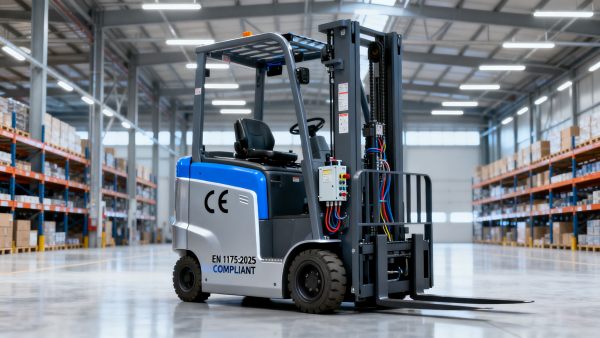
Effective 31 May 2026, the European Union’s updated standard for electrical safety in industrial trucks—EN 1175:2025—becomes mandatory across all EU member states. The regulation directly impacts manufacturers, exporters, and integrators of powered industrial vehicles, especially those incorporating automated guidance or robotic control systems. Its enforcement reflects a broader regulatory shift toward harmonized functional safety requirements in machinery with integrated electronics.
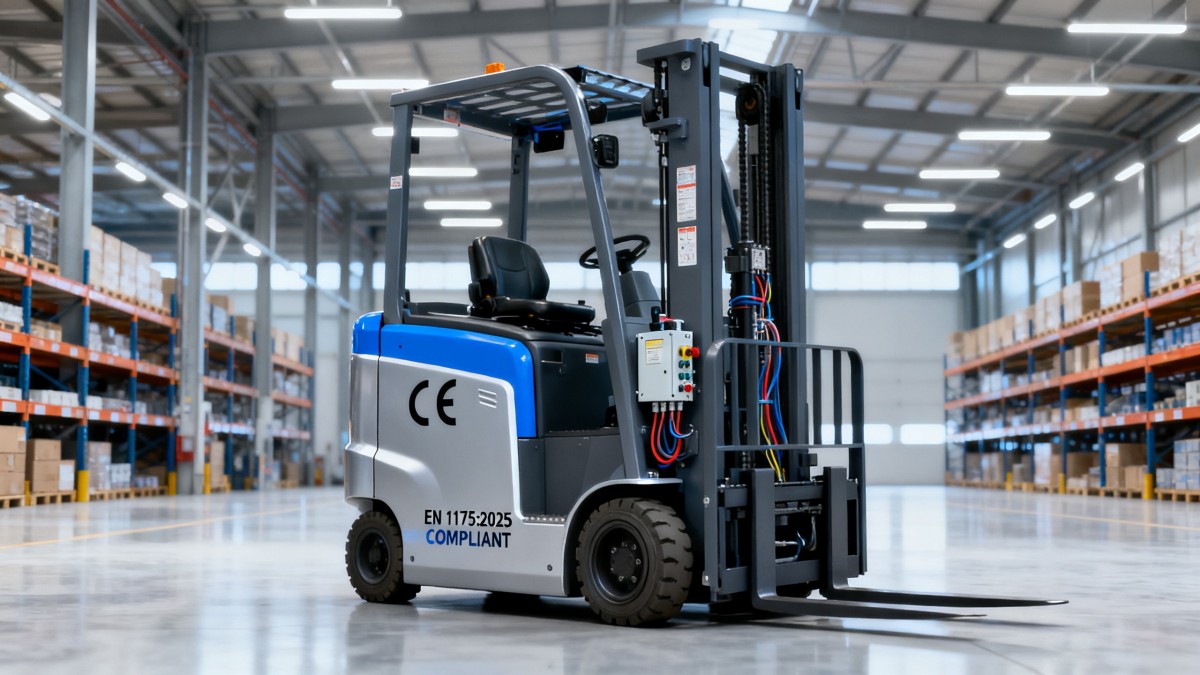
Event Overview
The EN 1175:2025 standard replaces the previous EN 1175-1:2003 and EN 1175-2:2003 editions. It applies to electrically powered industrial trucks—including counterbalanced forklifts, pallet trucks, automated guided vehicles (AGVs), and robotic automation systems (RAS) with integrated control cabinets. From 31 May 2026, no new product placed on the EU market may comply solely with the superseded standards. Compliance requires demonstrable adherence to fault detection mechanisms, performance level (PL) requirements under ISO 13849-1:2023, and documented evidence of PLd-rated safety functions.
Industries Affected
Direct Trading Enterprises: Exporters and OEMs placing industrial vehicles into the EU must now validate full conformity before customs clearance. Non-compliant units risk rejection at border inspection points, detention, or mandatory rework—potentially triggering contractual penalties or warranty liabilities with EU-based distributors.
Raw Material Procurement Firms: Suppliers of embedded controllers, safety relays, programmable logic controllers (PLCs), and certified safety components face heightened demand for ISO 13849-1:2023–compliant parts. Lead times and certification documentation (e.g., EC Type Examination reports) are now critical procurement criteria—not just technical specifications.
Manufacturing & Integration Enterprises: Chinese RAS system manufacturers integrating control cabinets into AGV or forklift platforms must redesign safety architectures to meet PLd requirements. This includes updating validation test plans, revising safety-related software development processes, and obtaining third-party functional safety assessments—not merely component-level certifications.
Supply Chain Service Providers: Notified Bodies, testing laboratories, and CE marking consultants report rising request volumes for EN 1175:2025 gap analyses and pre-certification audits. Logistics firms handling high-value industrial equipment now require updated compliance checklists prior to EU-bound shipments, adding verification steps to documentation workflows.
Key Focus Areas and Recommended Actions
Verify PLd Certification Scope
Confirm that existing safety components—and newly sourced ones—are explicitly certified to PLd per ISO 13849-1:2023, not just generic ‘safety-rated’ claims. Certificates must reference EN 1175:2025 application context, not generic machinery categories.
Update Technical Documentation
Revise the Declaration of Conformity to cite EN 1175:2025 (not legacy versions), include traceable references to safety validation reports, and embed ISO 13849-1:2023 architecture diagrams showing channel redundancy, diagnostic coverage, and MTTFd calculations.
Engage a Designated Notified Body Early
Due to capacity constraints and extended review cycles, initiate formal assessment with an EU-recognized Notified Body no later than Q3 2025—especially for multi-axis RAS integrations where failure mode analysis is complex and iterative.
Editorial Insight / Industry Observation
Analysis shows this transition is less about incremental technical upgrades and more about systemic accountability: EN 1175:2025 shifts responsibility from component suppliers to system integrators for end-to-end functional safety assurance. Observably, many Chinese RAS vendors still treat safety certification as a ‘box-ticking’ activity rather than an integral part of system architecture design. From an industry perspective, the real bottleneck lies not in hardware capability—but in engineering maturity around safety lifecycle management (per IEC 61508/ISO 13849). Current data suggests fewer than 30% of mid-tier RAS firms maintain auditable safety requirement specifications or systematic validation logs.
Conclusion
This standard marks a definitive step toward treating industrial vehicle automation as safety-critical infrastructure—not just electromechanical equipment. Its enforcement signals that functional safety is now a non-negotiable commercial prerequisite, not a technical footnote. For global manufacturers, compliance is best understood not as a one-time certification event, but as evidence of sustained engineering discipline aligned with EU machinery policy objectives.
Source Attribution
Official text published by CEN (European Committee for Standardization) on 28 November 2024; referenced in Official Journal of the European Union C 421/1 (2024). Harmonised standard status confirmed under Directive 2006/42/EC (Machinery Directive). Note: Pending updates to EU Commission guidelines on ‘integrated RAS systems’ and potential alignment with AI Act provisions for autonomous mobile robots—both remain under consultation and subject to revision through Q2 2025.
Related Intelligence
- RAS SystemsSustainable Aquaculture Practices That Cut Feed Waste and Protect Fish Farm Water QualitySustainable aquaculture for fish farms: reduce feed waste, protect water quality, and build resilient, efficient systems with practical strategies.
- RAS SystemsDrum Filter System Price: How Flow Rate, Micron Rating, and Automation Affect CostDrum filter system price depends on flow rate, micron rating, automation, materials, and lifecycle costs. Compare quotes confidently and choose the right system.
- RAS SystemsHow to Specify Large-Scale Fish Farming Equipment for High-Output RAS ProjectsLarge scale fish farming equipment guide for high-output RAS projects—specify tanks, filtration, oxygen, automation, and redundancy for reliable growth.
The Morning Broadsheet
Daily chemical briefings, market shifts, and peer-reviewed summaries delivered to your terminal.
