

The Authority in Global Agricultural Chemistry & Bio-Resources
FDA Extends Enzyme Import Transition, Tightens July Test Rule
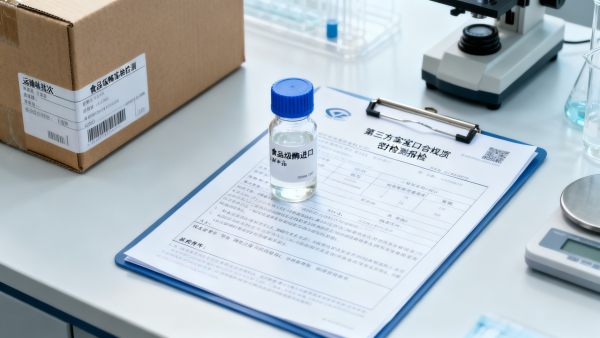
On June 27, 2026, the U.S. FDA updated the implementation details of Import Alert 10-175 for food grade enzymes, extending the import compliance transition period to September 30, 2026 while also raising the immediate documentary threshold from July 1. For importers, exporters, procurement teams, manufacturers, and testing-related service providers, the update matters because the grace period remains in place, but batch-level entry documentation now shifts to third-party laboratory evidence rather than internal self-check records.
What the FDA update confirms
The confirmed facts are limited but clear. According to the information provided, the FDA revised the implementation details of Import Alert 10-175 on June 27, 2026. Under that update, the compliance buffer period for food grade enzyme importers was extended through September 30, 2026.
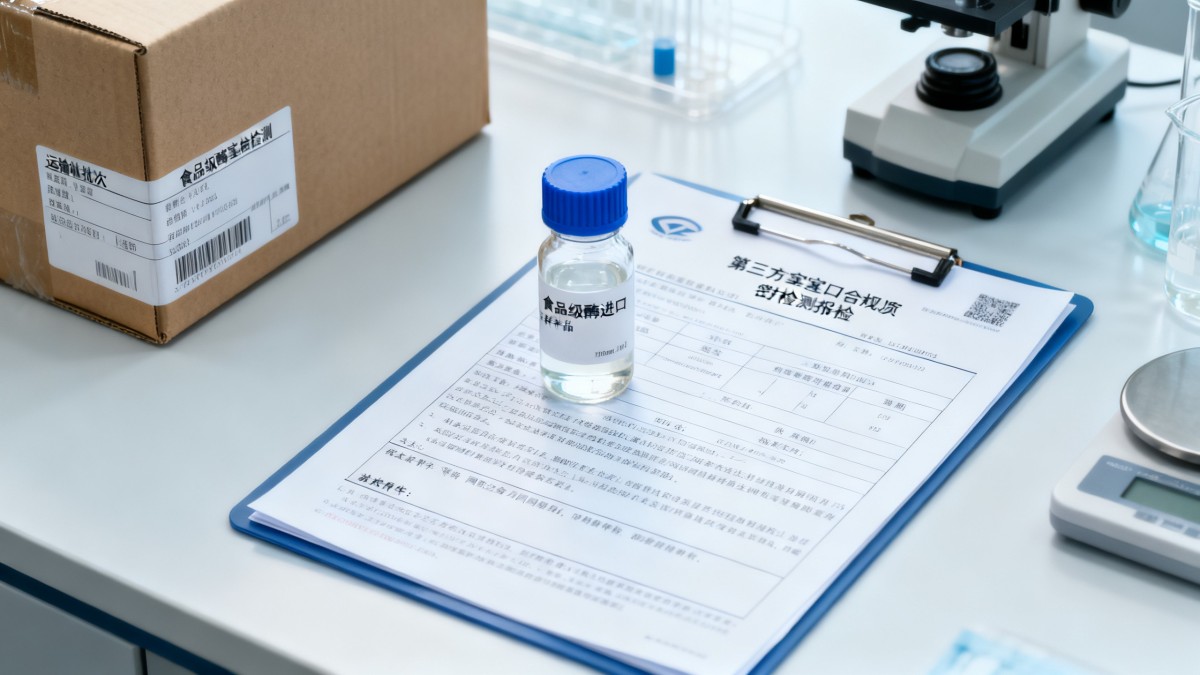
At the same time, the revised requirement takes effect earlier than the end of that transition window. From July 1 onward, every incoming batch must be accompanied by batch reports covering enzyme activity (U/g) and microbiological limits, and those reports must be issued by a laboratory accredited to ISO/IEC 17025. The previous route under which company self-test reports were accepted has been formally closed.
Where the operational pressure is likely to appear first
Import filing and entry documentation move to the front line
From an industry perspective, direct trading companies and importers are the first group likely to feel the change because the new requirement is tied to each incoming batch. The practical impact is not only on compliance review, but also on document readiness at the time of entry. What deserves closer attention is whether internal document packs, supplier submissions, and customs-facing files are aligned with the new requirement for ISO/IEC 17025-backed reports rather than enterprise self-test materials.
Procurement and supplier management face a new screening point
Procurement teams buying food grade enzymes may also be affected because supplier qualification is no longer only a pricing, specification, or delivery issue. Analysis shows that supplier capability to provide compliant batch reports now becomes part of purchasing feasibility. This may affect order timing, vendor confirmation, and the completeness of technical and quality documents requested before shipment.
Manufacturing schedules may become more document-dependent
For processors and manufacturers using imported food grade enzymes, the rule change may influence delivery planning and inbound acceptance. Observably, when every batch must carry external laboratory evidence for enzyme activity and microbiological limits, incoming material release may depend more heavily on whether the required paperwork is complete and acceptable. The pressure point is therefore not only product availability, but also document-linked continuity in supply.
Testing and compliance support become more visible in the transaction chain
Testing service providers and other compliance-related support parties may see increased attention because the accepted reporting route now points specifically to ISO/IEC 17025-accredited laboratories. It is more appropriate to understand this as a shift in evidentiary expectations for import batches, which may influence how exporters and importers organize pre-shipment testing, batch release documentation, and quality traceability records.
What companies should review now
Check whether batch files match the July threshold
Analysis shows that companies involved in shipment preparation or import clearance should first verify whether their current batch documentation already includes enzyme activity (U/g) and microbiological limit reports issued by an ISO/IEC 17025-accredited laboratory. Where existing practice still relies on internal self-test reports, that approach should no longer be assumed to satisfy entry requirements after July 1.
Reconfirm supplier documentation commitments
What deserves closer attention is the wording and timing of supplier deliverables. Buyers, importers, and exporters may need to confirm in advance who is responsible for arranging the laboratory reports, when those reports will be available, and whether shipment release depends on receiving them before dispatch or before filing. This is especially relevant where procurement and logistics teams have been working on shorter lead times.
Review delivery plans against the transition window
The extension to September 30 does not remove the July document trigger. Observably, companies should avoid treating the longer transition period as a reason to defer compliance preparation. The more immediate operational issue is that the testing and reporting requirement starts earlier, so delivery schedules, batch release planning, and import document checks may need adjustment before the transition period ends.
Keep records ready for traceability and follow-up review
From an industry perspective, firms should also look at how batch reports are stored, linked to shipments, and matched to internal quality records. Even without additional execution details in the provided information, it is reasonable to watch for closer scrutiny of whether submitted test reports, shipment papers, and product identification records remain consistent across the import process.
Why this reads as an execution signal, not just a timing adjustment
This section is observation rather than fact. Observably, the update combines two messages that matter in different ways: the transition period has been extended, but the acceptance standard for supporting batch evidence has become stricter starting July 1. That combination suggests the market should not read the extension as a broad relaxation. It is more appropriate to understand this as a rule already moving into operational enforcement at the documentation level, while some broader compliance adaptation time remains available until the end of September.
Analysis shows that the closure of the self-test route is the part most likely to influence day-to-day trade execution, because it changes what type of proof is acceptable. For that reason, continued attention should go not only to the headline extension, but also to how import participants, laboratories, and supply partners interpret the evidentiary requirement in practice.
How the market may need to frame this update
In practical terms, this development is less about a simple deadline extension and more about a change in the threshold for acceptable import support documents. For affected businesses, the immediate significance lies in batch-level compliance readiness, supplier coordination, and the ability to align testing records with shipment timing. Current observation suggests this is best understood as an implemented rule change with ongoing execution implications, rather than a fully settled endpoint that no longer requires monitoring.
Basis of this article and what still needs verification
This article is generated from the user-provided news title, event date, and event summary. For this type of development, commonly relevant source categories may include official regulatory notices, releases from supervisory agencies, customs or trade administration information, industry association updates, standards-related documents, and reporting by authoritative media.
No specific official source link was provided in the input, so the exact official link remains to be verified on an ongoing basis. Further follow-up should continue to watch the detailed implementation wording, certification and testing interpretation, changes in tender or procurement document requirements, market feedback, and how companies are carrying out the new batch-report obligation in practice.
Related Intelligence
- Food Grade EnzymesIs There a Global Standard for Biochemical Engineering Product Quality?Is there a global standard for biochemical engineering product quality? Explore GMP, ISO, traceability, and supplier checks for confident global sourcing.
- Food Grade EnzymesHow Enzymes for Cracker Formulation Improve Texture and Shelf LifeEnzymes for cracker formulation can enhance dough handling, crisp texture, and shelf life. Explore targeted enzyme strategies for consistent, high-quality crackers.
- Food Grade EnzymesWhat to Look for in Enzyme Blend Ingredients for Food and Supplement FormulasExplore enzyme blend ingredients for food and supplement formulas—learn how to assess activity, stability, compliance, and performance for smarter sourcing.
The Morning Broadsheet
Daily chemical briefings, market shifts, and peer-reviewed summaries delivered to your terminal.
