

The Authority in Global Agricultural Chemistry & Bio-Resources
FDA Draft Guidance Adds WGS Disclosure for Food Enzymes
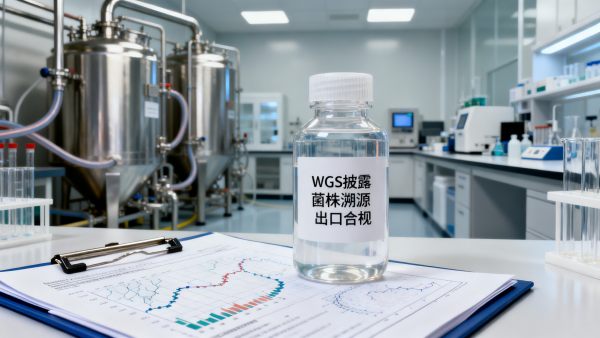
On June 15, 2026, the U.S. FDA issued a draft guidance focused on microbial strain transparency for food grade enzymes, introducing a new disclosure expectation for products exported to the U.S. market. The update matters not only to enzyme exporters, but also to overseas distributors and food manufacturers that rely on these ingredients, because it links regulatory access more closely to strain-level documentation, traceability, and biosafety verification.
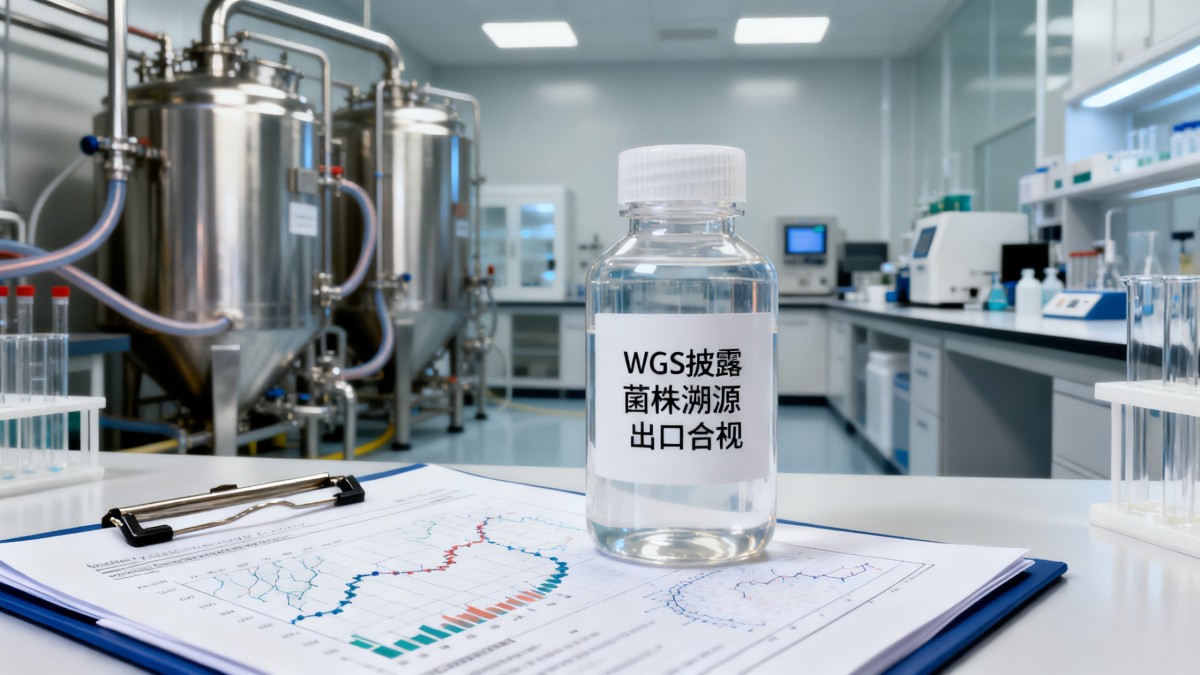
What the draft guidance states
According to the information provided, the FDA released a draft document titled Food Grade Enzymes: Microbial Strain Transparency Guidance on June 15, 2026. The draft says that from January 2027, all food grade enzyme products exported to the United States must be accompanied by a certified whole genome sequencing report for the fermentation strain, together with a biosafety statement.
The information provided also indicates that the requirement is expected to affect more than 230 Chinese enzyme preparation exporters that hold HACCP or ISO 22000 certification. For overseas distributors and end-use food manufacturers, the immediate factual implication described in the source information is upgraded raw material traceability alongside higher technical entry barriers and verification costs.
Where the pressure is likely to appear first
Export-facing enzyme suppliers will face a documentation threshold
From an industry perspective, suppliers shipping food grade enzymes to the U.S. are the first group likely to feel the impact because the draft directly ties market access to certified WGS documentation and a biosafety declaration. The most affected business steps are likely to be export documentation preparation, customer qualification review, and submission readiness for U.S.-bound products.
What deserves closer attention is whether current product files, quality records, and fermentation-strain documentation are already organized in a way that can support this level of disclosure within the stated timeline.
Distributors may need tighter supplier verification
Analysis shows that overseas distributors could see their role shift from routine trading to deeper compliance screening. If enzyme products entering the U.S. must carry certified WGS reports and biosafety statements, distributors may need to review supplier packages more carefully before onboarding or continuing supply relationships.
The business impact here is less about production itself and more about qualification, document collection, and transaction risk management. Changes in supplier review standards and supporting file completeness are likely to become key checkpoints.
Food manufacturers may review ingredient traceability more closely
For downstream food manufacturers using imported food grade enzymes, the development is relevant because the source information points to stronger raw material traceability. Observably, this could affect ingredient approval workflows, supplier communication, and internal verification of enzyme-related compliance materials.
The main concern is practical rather than theoretical: whether the ingredient dossier received from suppliers is sufficient to support procurement decisions, audits, and customer-facing compliance questions.
What companies should watch now
Track how the draft language develops
Analysis shows that this is still a draft guidance, so companies should distinguish between the current policy signal and the final operational requirements that may later apply in practice. The wording, scope, and implementation details deserve continued review as official communication evolves.
Check whether current strain records can support disclosure
For exporters and their partners, a practical near-term issue is whether existing fermentation-strain records can be matched to certified WGS reporting and biosafety statements in a usable format. This is not only a laboratory or technical question, but also a document-control and delivery-readiness issue.
Review customer communication and lead-time risk
What deserves closer attention is the effect on order qualification and delivery schedules. If customers begin asking for additional proof before shipment or approval, companies may need to prepare clearer communication around documentation status, timing, and any limitations in current files.
Reassess supplier and partner coordination
For distributors and downstream buyers, supplier qualification standards may need to be reviewed against the new disclosure expectation described in the draft. The focus should remain on whether upstream partners can provide consistent, certifiable, and reviewable supporting materials for U.S.-bound business.
Why this reads as more than a routine compliance update
Analysis shows that the news should not be read only as a narrow paperwork change. By explicitly connecting food grade enzyme exports to whole genome sequencing and biosafety disclosure, the draft points to a more documentation-intensive approach to microbial strain transparency in cross-border ingredient trade.
At the same time, it is more appropriate to understand this as a regulatory signal that still requires continued observation rather than as a fully settled outcome. The draft status matters, but so does the January 2027 timing indicated in the information provided, which gives the market a defined horizon for preparation if the requirement proceeds as described.
How the market may best interpret this stage
At this stage, the development is best understood as a concrete compliance signal with clear operational relevance for exporters, distributors, and food manufacturers linked to the U.S. enzyme supply chain. The immediate significance lies in traceability, supplier file completeness, and verification cost pressure, while the longer-term significance depends on how the draft is finalized and applied in practice.
A cautious reading is therefore the most reasonable one: the direction of travel is clear from the information provided, but the full business impact still depends on subsequent official clarification and market response.
Basis of this article and follow-up points
This article is based on the user-provided news title, event date, and event summary concerning the FDA draft guidance on microbial strain transparency for food grade enzymes. Specific official source links were not provided in the input, so the exact official publication record still requires continued verification.
For this type of industry update, relevant source categories typically include official regulatory announcements, company disclosures, industry association updates, authoritative media coverage, and standards-related documents. The main follow-up point for continued observation is whether later official wording changes the scope, implementation details, or documentation expectations described in the draft summary provided here.
Related Intelligence
- Food Grade EnzymesIs There a Global Standard for Biochemical Engineering Product Quality?Is there a global standard for biochemical engineering product quality? Explore GMP, ISO, traceability, and supplier checks for confident global sourcing.
- Food Grade EnzymesHow Enzymes for Cracker Formulation Improve Texture and Shelf LifeEnzymes for cracker formulation can enhance dough handling, crisp texture, and shelf life. Explore targeted enzyme strategies for consistent, high-quality crackers.
- Food Grade EnzymesWhat to Look for in Enzyme Blend Ingredients for Food and Supplement FormulasExplore enzyme blend ingredients for food and supplement formulas—learn how to assess activity, stability, compliance, and performance for smarter sourcing.
The Morning Broadsheet
Daily chemical briefings, market shifts, and peer-reviewed summaries delivered to your terminal.
