

The Authority in Global Agricultural Chemistry & Bio-Resources
Brazil Opens Feed Enzyme Filing Path for Chinese Suppliers
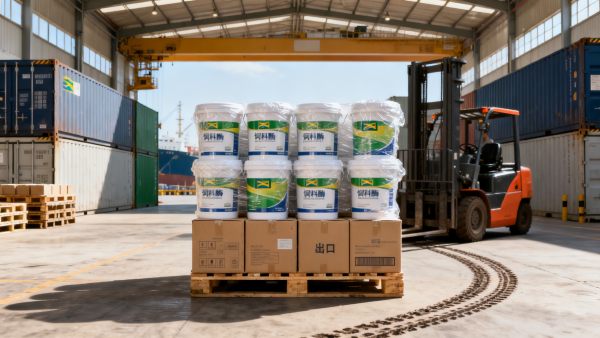
On June 17, 2026, Brazil’s health regulator ANVISA released RDC No. 42/2026, bringing six categories of Chinese food-grade feed enzymes into its positive list for animal feed additives. For feed enzyme exporters, feed manufacturers, import buyers, and supply chain teams, the update is worth close attention because it shifts market access from a long case-by-case review process to a much faster filing route in Brazil, the largest agricultural market in South America.
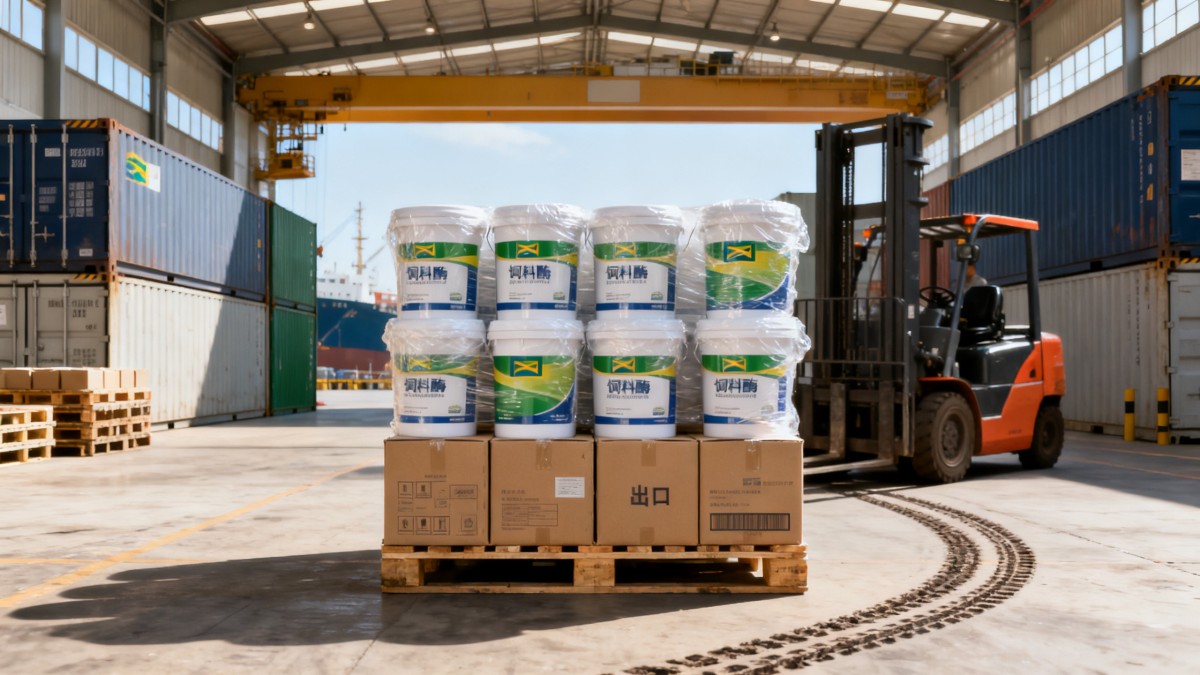
What ANVISA Confirmed on June 17
According to the information provided, ANVISA formally added six categories of Chinese food-grade feed enzymes to the positive list for animal feed additives under RDC No. 42/2026. The categories mentioned include phytase, xylanase, and beta-glucanase, among others.
The update is described as the first single approval obtained by Chinese Food Grade Enzymes in the largest agricultural country in South America. It also means these products no longer need to go through a lengthy individual review for each case. The filing timeline is said to have been reduced from 18 months to 21 working days, and the change is expected to support more than 40% export growth to Brazil in the second half of 2026.
Where the Immediate Business Impact May Appear
Exporters are likely to focus on filing speed and market timing
From an industry perspective, the most direct effect falls on companies shipping feed enzymes to Brazil. A shorter filing cycle can change how exporters plan product launches, customer onboarding, and shipment windows. What deserves closer attention is whether companies are ready to align product documentation and commercial timing with the faster access route now available.
Feed manufacturers may reassess sourcing flexibility
For processing and manufacturing businesses that use feed enzyme inputs, the development may affect procurement choices and supplier discussions. Analysis shows that when access rules become more predictable, purchasing teams often pay closer attention to approved product categories, delivery readiness, and the ability of suppliers to support smoother registration-related workflows.
Importers and channel partners may need clearer execution checks
Distributors, import agents, and circulation partners may be affected at the operational level rather than only at the policy level. The key issue is not just that a rule changed, but how quickly approved categories can be translated into actual order execution, customs preparation, and customer communication. In practice, these participants will need to watch for consistency between regulatory language and commercial documentation.
Supply chain service providers may face shorter response windows
For logistics and compliance service providers, the compression of the filing cycle from 18 months to 21 working days suggests a different planning rhythm. Observably, shorter approval lead times can increase pressure on document readiness, scheduling coordination, and delivery commitments, especially if exporters accelerate their Brazil market plans in the second half of 2026.
What Companies Should Watch Next
Track the exact wording behind the positive list entry
Companies should pay close attention to how the approved enzyme categories are described in official regulatory language. The practical impact of a positive list update often depends on category scope, product matching, and whether supporting materials fully align with the listed classification.
Separate regulatory access from commercial readiness
Analysis shows that faster filing does not automatically guarantee immediate transaction flow. Businesses should distinguish between the regulatory opening itself and the operational work still required for quotation, documentation, delivery planning, and customer-side acceptance.
Prioritize documentation and qualification checks
For suppliers and their customers, a shorter filing window raises the importance of document completeness and qualification consistency. Current attention should center on whether supplier credentials, product materials, and trade paperwork can support a smoother filing and fulfillment process without creating avoidable delays.
Prepare customer communication around timelines
Because the filing period is now described as 21 working days instead of 18 months, commercial teams may need to reset customer expectations. What deserves closer attention is how companies explain the difference between a faster regulatory pathway and the full timeline required for supply, contracting, and execution.
Why This Looks Like More Than a Routine Approval
As an observation, this development is better understood as both a near-term operational change and a longer-term market signal. In the near term, it changes access efficiency for certain Chinese food-grade feed enzymes entering Brazil. In a broader sense, it suggests that a key South American market has created a clearer entry mechanism for these categories.
That said, it is still too early to treat the policy update alone as a fully realized commercial outcome. Observably, the real test will be whether exporters, importers, and downstream buyers can convert the shorter filing route into stable transactions, timely delivery, and repeatable business processes.
How to Read the Significance at This Stage
The most reasonable interpretation for now is that this is a meaningful access signal with immediate practical value, but one that still requires follow-through in execution. The rule change matters because it shortens filing time, removes a long individual review step, and creates a more workable path for the listed enzyme categories. At the same time, the market impact should be assessed through actual filing activity, order conversion, and supply performance rather than policy language alone.
Basis of This Article and Ongoing Verification
This article is based on the user-provided news title, event date, and event summary concerning ANVISA’s June 17, 2026 update on Chinese food-grade feed enzymes. For developments of this type, commonly relevant source categories include official regulatory notices, company statements, industry association releases, authoritative media coverage, and standards-related documents.
No specific official source link was provided in the input, so the exact official link still requires continued verification. Follow-up attention should focus on any further official wording, subsequent implementation details, and how the approved categories are reflected in actual market filing and trade execution.
Related Intelligence
- Food Grade EnzymesIs There a Global Standard for Biochemical Engineering Product Quality?Is there a global standard for biochemical engineering product quality? Explore GMP, ISO, traceability, and supplier checks for confident global sourcing.
- Food Grade EnzymesHow Enzymes for Cracker Formulation Improve Texture and Shelf LifeEnzymes for cracker formulation can enhance dough handling, crisp texture, and shelf life. Explore targeted enzyme strategies for consistent, high-quality crackers.
- Food Grade EnzymesWhat to Look for in Enzyme Blend Ingredients for Food and Supplement FormulasExplore enzyme blend ingredients for food and supplement formulas—learn how to assess activity, stability, compliance, and performance for smarter sourcing.
The Morning Broadsheet
Daily chemical briefings, market shifts, and peer-reviewed summaries delivered to your terminal.
