

The Authority in Global Agricultural Chemistry & Bio-Resources
Brazil Opens Direct Path for Chinese Feed Enzymes
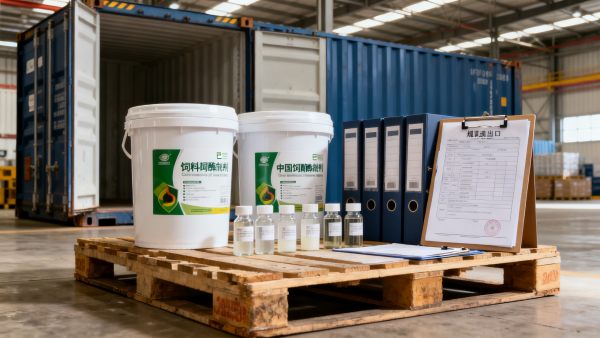
On June 22, 2026, a regulatory change with clear trade and compliance implications emerged in Brazil’s feed additive market: ANVISA approved the registration filings of commercial feed enzyme products from three Chinese manufacturers. The approval covers five core categories, including phytase and xylanase, and matters because it signals a shift from indirect market access through local compounders toward an official direct supply route. For exporters, buyers, compliance teams, and supply chain service providers, the development is worth close attention as it may affect market entry planning, document preparation, procurement arrangements, and delivery structures.
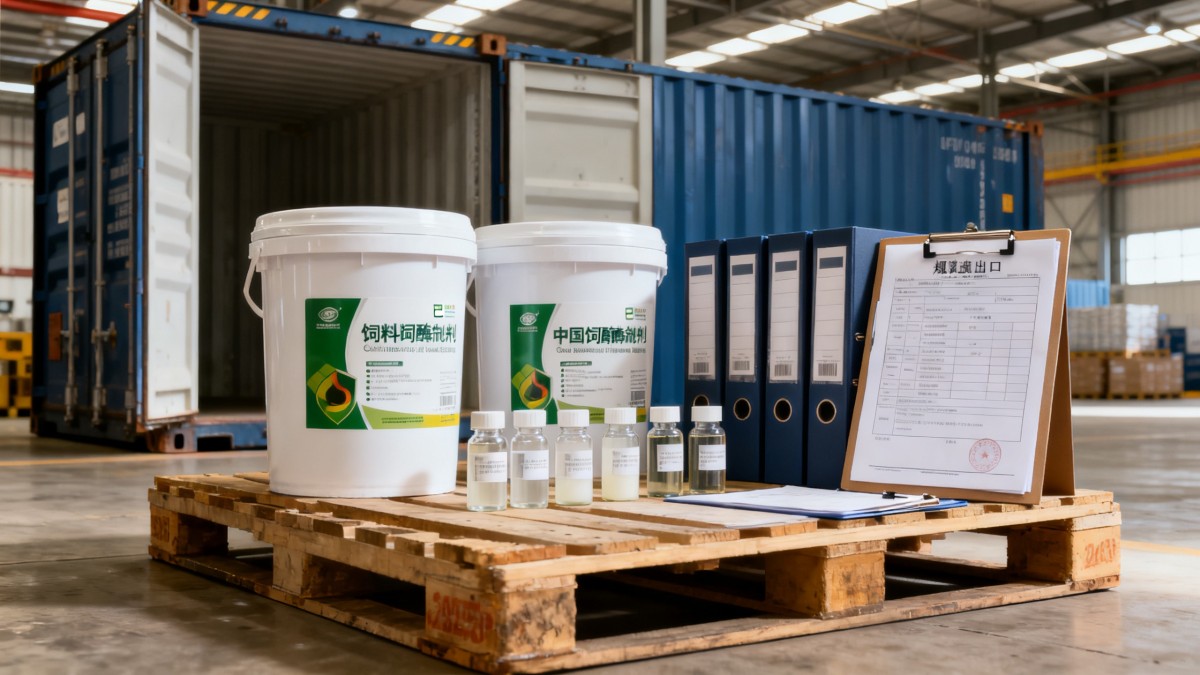
What has been formally approved
The confirmed facts are limited but commercially significant. ANVISA approved the registration filings of commercial feed enzyme preparations from three Chinese companies on June 22, 2026. The approved scope includes five core product categories, among them phytase and xylanase. Based on the event summary provided, this marks the first official approval of its kind for Chinese suppliers in this segment and creates formal access to the market of South America’s largest agricultural country.
The same event also indicates a change in export structure. Previously, access relied on indirect exports through local blending or compounding partners. With this approval, a direct channel becomes available for Food Grade Enzymes exports.
Where the practical impact may appear first
Exporters are likely to reassess route-to-market choices
From an industry perspective, the most immediate impact may fall on Chinese exporters that previously depended on local intermediaries to reach the Brazilian market. If direct access becomes operational in practice, these companies may need to review how they manage registration-linked documentation, product scope alignment, customer communication, and delivery commitments under a more direct supply model.
Buyers and procurement teams may revisit supplier qualification
For procurement functions, the development may affect supplier screening and sourcing structure. What deserves closer attention is whether approved product categories, supporting technical files, and compliance materials can be aligned with purchasing requirements and internal qualification standards. The practical issue is not only price or availability, but also whether procurement decisions begin to reflect officially recognized market access rather than reliance on local reformulation channels.
Channel and supply chain participants may need to adjust documentation flow
Distributors, logistics providers, and other supply chain service participants may also be affected because a direct export route can change the sequence of document handover, product traceability records, and delivery coordination. Analysis shows that even where commercial demand exists, execution often depends on whether product descriptions, shipment papers, and compliance records match the approved scope and customer expectations.
Testing, certification, and after-sales functions remain commercially relevant
Although the event summary does not provide detailed execution rules, certification-related service providers, testing support teams, and after-sales functions may see closer scrutiny from clients. This is because direct market access usually increases the practical importance of technical consistency, record retention, and issue-tracing capability across cross-border delivery.
What companies should monitor next
Keep compliance files tightly aligned with approved categories
Analysis shows that companies should focus first on whether their product claims, category descriptions, and technical materials are consistent with the approved filing scope. Since the confirmed information only states that five core categories were covered, businesses should avoid assuming broader coverage without further verification.
Watch for follow-up regulatory wording and execution practice
What deserves closer attention is the official wording used in future notices, implementation practice, and any market-facing interpretation that may affect how approvals are applied in transactions. The current information confirms access, but it does not provide a full operational rulebook for every commercial scenario.
Review procurement, delivery, and traceability preparation
For companies planning transactions, it is more appropriate to prepare for possible changes in procurement timing, supplier qualification review, delivery documentation, and quality traceability requirements. These are not confirmed new obligations in the provided facts, but they are practical areas where execution pressure often appears once a direct supply pathway opens.
Be cautious in tenders and customer-facing representations
Observably, commercial teams should be careful not to overstate the scope of market access in bids, quotations, or technical submissions. Until more detailed implementation signals are available, the safer approach is to match product claims, compliance statements, and supply commitments to the confirmed approved categories and documented status.
How this development is best understood for now
As an editorial observation, this development is better understood as a concrete market-access signal rather than a complete end point in regulatory execution. The approval itself is a landed change, but the downstream effects on trade practice, procurement behavior, and documentation standards may still depend on how the market interprets and applies the approval in real transactions.
From an industry perspective, the event stands out because it shifts the discussion from whether entry is possible to how entry will be executed. That distinction matters for exporters and buyers alike: regulatory access can be confirmed before operational routines become fully settled.
A measured takeaway for the industry
The main significance of this event lies in the formal opening of a direct route for Chinese commercial feed enzyme products into Brazil, supported by ANVISA filing approval for three manufacturers and five core categories. That is a meaningful compliance and trade development, especially given the previous dependence on local compounding channels.
At the same time, it is more appropriate to understand this news as both a landed regulatory change and a trigger for further observation. The approval is real, but the pace and depth of its commercial impact will still need to be assessed through follow-up execution, market response, and practical use in procurement and delivery settings.
Basis of this article and what still needs verification
This article is generated from the user-provided news title, event date, and event summary. For developments of this type, commonly relevant source categories may include official regulatory announcements, releases by supervisory authorities, customs or trade administration information, industry association updates, standard-setting documents, and reporting by established professional media.
No specific official source link was provided in the input, so the precise official publication path still requires further verification. Continued attention should be paid to any later clarification on implementation details, certification interpretation, tender document changes, industry feedback, and how companies actually execute direct supply under the new access conditions.
Related Intelligence
- Food Grade EnzymesIs There a Global Standard for Biochemical Engineering Product Quality?Is there a global standard for biochemical engineering product quality? Explore GMP, ISO, traceability, and supplier checks for confident global sourcing.
- Food Grade EnzymesHow Enzymes for Cracker Formulation Improve Texture and Shelf LifeEnzymes for cracker formulation can enhance dough handling, crisp texture, and shelf life. Explore targeted enzyme strategies for consistent, high-quality crackers.
- Food Grade EnzymesWhat to Look for in Enzyme Blend Ingredients for Food and Supplement FormulasExplore enzyme blend ingredients for food and supplement formulas—learn how to assess activity, stability, compliance, and performance for smarter sourcing.
The Morning Broadsheet
Daily chemical briefings, market shifts, and peer-reviewed summaries delivered to your terminal.
