

The Authority in Global Agricultural Chemistry & Bio-Resources
LME Copper Hits $13,635/ton: Aeration & Water Tech Shipping Costs Up 8–12%
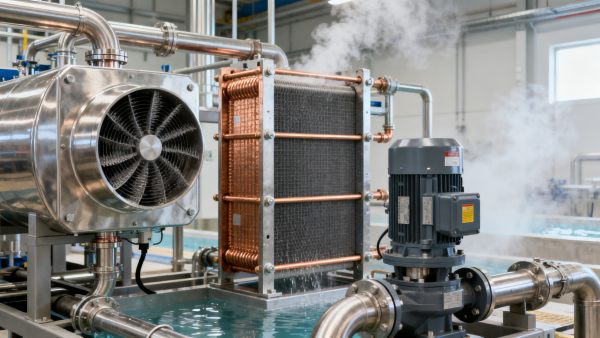
LME copper surged to $13,635 per ton on May 22, 2026 — its highest level since 2023 — driven by heightened uncertainty in the Strait of Hormuz and sustained global copper inventory drawdowns. This price spike directly elevates procurement costs for critical components in aeration and water treatment equipment, including diffuser discs, copper heat exchangers, and motor windings. Concurrently, increased marine insurance premiums on the Red Sea–Suez route have pushed FOB pricing for complete units up by 8–12% on average. Importers in the Middle East, Africa, and Southeast Asia must reassess budgets and delivery timelines for orders placed from June onward.
Event Overview
On May 22, 2026, London Metal Exchange (LME) copper futures reached $13,635 per ton — a level not seen since 2023. This movement followed confirmed tightening in regional shipping access through the Strait of Hormuz and publicly reported declines in global copper inventories. The rise has triggered cost adjustments across supply chains for aeration and water technology equipment, particularly affecting components with significant copper content or dependent on high-risk maritime corridors. Freight insurance premiums on the Red Sea–Suez Canal route have risen, contributing to an average 8–12% increase in FOB quotations for finished units.
Industries Affected
Direct Trading Enterprises
Importers and distributors of aeration and water treatment systems — especially those serving the Middle East, Africa, and Southeast Asia — face immediate pressure on landed cost calculations. The 8–12% FOB uplift compounds existing margin constraints, and longer lead times due to rerouted shipping may delay project execution. Budget reallocation and revised tendering assumptions are now necessary for contracts signed after June 2026.
Raw Material Procurement Teams
Procurement functions sourcing copper-intensive subcomponents (e.g., diffuser discs, copper-alloy heat exchangers, motor windings) are exposed to both raw material inflation and secondary logistics surcharges. Spot purchase decisions are becoming more sensitive to LME volatility, and long-term supplier agreements may require re-negotiation to reflect updated metal cost indices and insurance add-ons.
Equipment Manufacturers
Manufacturers integrating copper-based thermal and electrical components face dual cost pressures: rising input prices and elevated ocean freight insurance. Since many units ship fully assembled, even modest FOB increases translate directly into reduced export competitiveness — particularly where pricing is benchmarked against regional peers without comparable exposure to Hormuz- or Suez-linked routes.
Supply Chain & Logistics Providers
Freight forwarders and customs brokers supporting water infrastructure exports must now factor in dynamic premium adjustments for Red Sea–Suez transits and potential delays at Gulf ports. Documentation workflows may need updating to reflect revised insurance declarations, and contingency planning for alternative routing (e.g., Cape of Good Hope) should be validated for key client portfolios.
What Stakeholders Should Monitor and Do Now
Track official updates on Strait of Hormuz navigational advisories
Maritime security bulletins from the UKMTO, US Fifth Fleet, and IMO remain primary indicators of operational risk. Any formal restriction or escort mandate would likely trigger further insurance recalibration — and should prompt immediate review of shipment scheduling for Q3 2026 deliveries.
Reassess copper-dependent BOM line items and alternate sourcing options
Focus on components where copper represents >15% of unit material cost (e.g., heat exchangers, busbars, winding cores). Evaluate feasibility of near-term substitution (e.g., aluminum-clad alternatives where performance permits) or regionalized assembly to reduce single-point exposure to LME-driven cost spikes.
Validate delivery windows and contractual force majeure clauses
For active tenders or signed contracts with June–August 2026 delivery windows, verify whether shipping insurance surcharges and transit delays fall under agreed-upon cost-sharing or time-extension provisions. Proactively align internal project teams and end clients on revised timelines before formal notice periods expire.
Prepare revised quotation templates with transparent cost breakdowns
Introduce modular pricing that separates base equipment cost, copper index adjustment, and route-specific insurance loading. This improves transparency for buyers and supports defensible renegotiation if LME remains above $13,000/ton beyond Q2 2026.
Editorial Perspective / Industry Observation
Observably, this copper price surge functions less as an isolated commodity event and more as a stress test for integrated supply chain resilience in water infrastructure. While the $13,635/ton level reflects current physical and financial market dynamics, the 8–12% FOB impact reveals how tightly coupled component-level material costs are with geopolitical shipping corridors — even for non-commodity end products. Analysis shows that the timing coincides with seasonal demand upticks in irrigation and municipal wastewater projects across target import regions, amplifying budget sensitivity. From an industry perspective, this is better understood as an early-cycle signal rather than a finalized cost plateau: continued monitoring of LME open interest, Gulf port congestion data, and Suez Canal Authority tonnage reports will clarify whether the current pricing environment stabilizes or intensifies.
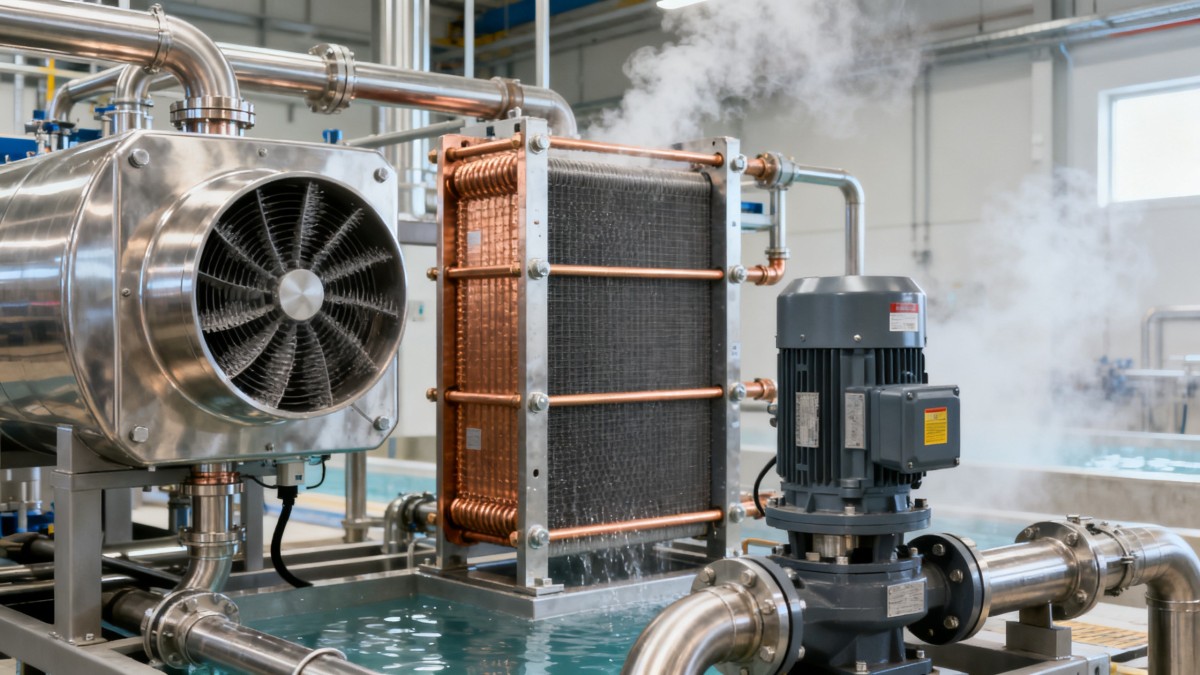
This development underscores how macro-level commodity and maritime risk factors cascade into mid-tier industrial equipment markets — not just bulk commodities or containerized consumer goods. For stakeholders in water technology, it reinforces the need to treat material cost indexing and route-contingent logistics as core procurement parameters — not peripheral variables.
Information Sources: London Metal Exchange (LME) daily settlement data; International Maritime Organization (IMO) incident reporting archive; Suez Canal Authority monthly tonnage statistics; publicly disclosed freight insurance rate assessments from major marine underwriters (as of May 22, 2026). Ongoing observation required for: Strait of Hormuz navigational status updates; LME copper inventory trends over next four weeks; regional importer feedback on revised FOB acceptance rates.
Related Intelligence
- Aeration & Water TechHow Water Treatment Research Guides Technology Selection for Industrial Wastewater ProjectsWater treatment research guides smarter industrial wastewater technology selection. Learn how to assess variable streams, pilot risks, compare process trains, and reduce compliance costs.
- Aeration & Water TechSelecting Solids Filtration for Aquaculture: Flow Rates, Loading, and Fish WelfareSolids filtration aquaculture guide: compare flow rates, peak loading, capture performance, maintenance, and fish welfare to choose a reliable system.
- Aeration & Water TechWhat RO water treatment systems deliver consistent 98% salt rejection at 25°C with feed TDS over 3,000 ppm?RO water treatment systems that deliver proven 98% salt rejection at 25°C with >3,000 ppm TDS—engineered for API synthesis, aquaculture & grain processing.
The Morning Broadsheet
Daily chemical briefings, market shifts, and peer-reviewed summaries delivered to your terminal.
