

The Authority in Global Agricultural Chemistry & Bio-Resources
How to Choose an Aquaculture Technology Exporter for RAS, Aeration, and Water Quality Projects
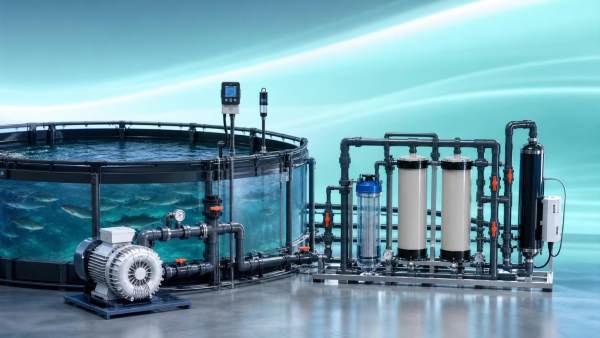
How to Choose an Aquaculture Technology Exporter for RAS, Aeration, and Water Quality Projects
Selecting the right aquaculture technology exporter can determine whether your RAS, aeration, and water quality project delivers stable performance, regulatory compliance, and long-term ROI.
For project managers and engineering leads, the challenge goes beyond price.
Supplier capability, system integration, technical documentation, and after-sales support all directly affect execution risk.
This guide explains how to evaluate an aquaculture technology exporter and build a procurement strategy that stays practical under real project conditions.
Start With Project Fit, Not Catalog Size
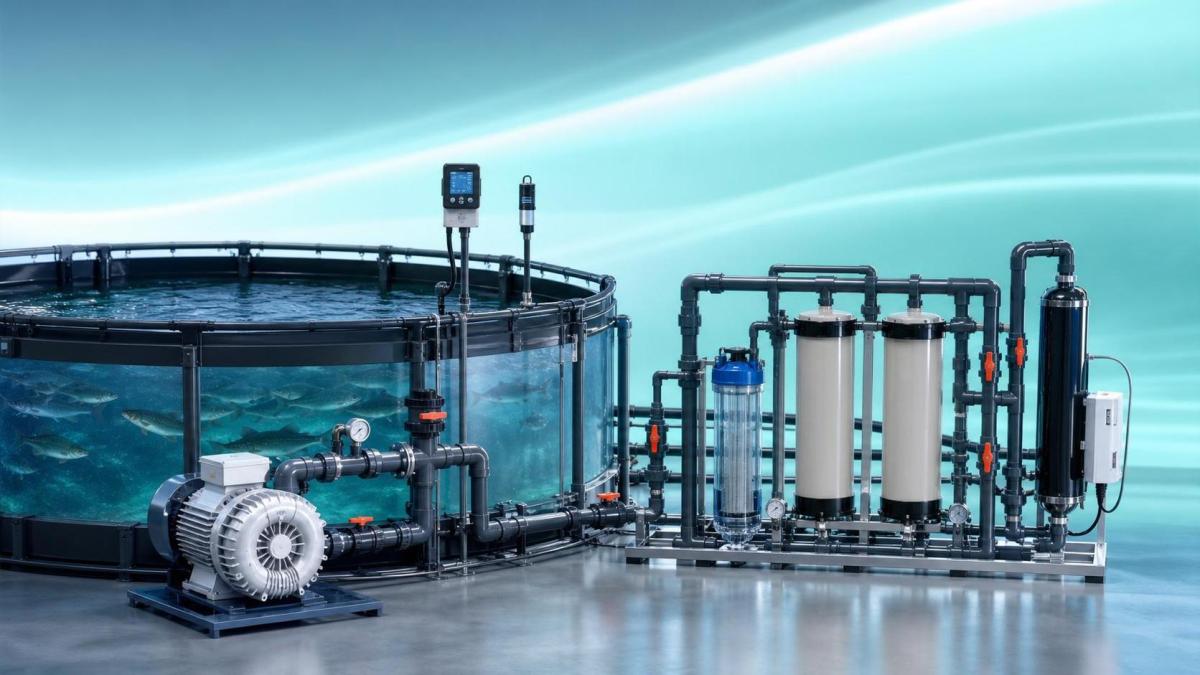
A strong aquaculture technology exporter should match your operating model before discussing volume discounts.
That means understanding species, stocking density, water source, power reliability, discharge limits, and expansion plans.
RAS for salmon smolt, shrimp, tilapia, or eel will not share the same design priorities.
Aeration and water quality control also change with biomass loading, dissolved oxygen targets, and seasonal temperature swings.
In practice, the best aquaculture technology exporter asks detailed questions early.
If the sales process skips process data and jumps straight to equipment pricing, risk usually increases later.
Useful early inputs include:
- Target production volume and harvest cycle
- Influent and effluent water parameters
- Required oxygen transfer and backup design
- Civil, electrical, and automation interface boundaries
- Local permits and environmental compliance thresholds
A capable aquaculture technology exporter uses this data to shape a system proposal that is technically coherent, not just commercially attractive.
Check Proven Experience in RAS, Aeration, and Water Quality Integration
Many suppliers can provide standalone blowers, oxygen cones, drum filters, sensors, or biofiltration components.
Fewer can integrate them into a stable operating system.
This distinction matters because most failures happen at interfaces, not inside individual machines.
Ask the aquaculture technology exporter for reference projects close to your use case.
Look beyond installed capacity.
Focus on operational outcomes such as water exchange rate, TAN control, solids removal efficiency, energy use, and uptime.
A credible aquaculture technology exporter should be able to show:
- Species-specific design references
- P&ID, process flow, and equipment layout samples
- Commissioning records or performance validation data
- Control philosophy for alarms, redundancy, and fail-safe response
- Field support capability during startup and ramp-up
Recent market changes make this even more important.
Projects now face tighter labor, energy, and compliance constraints, so integrated system performance matters more than nominal equipment ratings.
Evaluate Engineering Depth and Documentation Quality
An aquaculture technology exporter should reduce ambiguity, not shift it downstream to your engineering team.
That is why engineering depth and documentation quality deserve the same attention as equipment specifications.
Good documentation speeds procurement, customs clearance, installation, validation, and maintenance planning.
Weak documentation creates rework, delays, and hidden cost.
Before supplier selection, request a sample technical package.
Review whether the aquaculture technology exporter can provide:
- General arrangement drawings
- Utility load lists
- Instrument lists and calibration details
- Material certificates and coating specifications
- Operation and maintenance manuals
- Spare parts recommendations by year one and year three
- FAT or SAT procedures where relevant
This is also where compliance discipline becomes visible.
For export projects, clear paperwork supports smoother handling of EPA, FDA, local environmental, and import control requirements where applicable.
The more complex the site, the more valuable a documentation-focused aquaculture technology exporter becomes.
Compare Total Cost, Not Just Quoted Price
Price still matters, but it should not lead the decision by itself.
The right aquaculture technology exporter helps control lifecycle cost across installation, operation, maintenance, and future expansion.
A lower bid may exclude controls integration, startup support, consumables, or critical redundancy.
That gap usually appears later as change orders, downtime, or unstable water quality.
Build a comparison matrix with commercial and operational inputs.
A disciplined aquaculture technology exporter will discuss total cost drivers openly and explain which design choices affect ROI over three to five years.
Review Manufacturing Control and Supply Chain Transparency
Export procurement introduces another layer of risk: what happens between factory release and site delivery.
A reliable aquaculture technology exporter needs visible manufacturing control and traceable sourcing.
This is especially relevant for pumps, blowers, membranes, probes, PLC parts, and coated steel structures.
Ask where critical components are produced, tested, packed, and serviced.
More importantly, ask how substitutions are controlled.
A professional aquaculture technology exporter should define approval steps for alternative brands or materials before shipment.
Key questions include:
- Are major components made in-house or sourced externally?
- What inspection points exist during fabrication?
- Can the supplier provide serial traceability and test records?
- How are delays communicated and recovered?
- Is there a regional stock strategy for fast-moving spares?
This level of transparency is often the clearest signal that an aquaculture technology exporter can support serious industrial procurement.
Test After-Sales Support Before You Sign
After-sales support is not a soft factor.
For RAS and water quality projects, it is part of the technical solution.
When alarms trigger at night or biofilter performance drifts during ramp-up, response speed affects both biomass and revenue.
So test support structure during the bid phase.
Ask the aquaculture technology exporter to define support channels, escalation times, and service exclusions in writing.
Useful checkpoints include remote diagnostics, local partner coverage, training format, and spare availability.
It also helps to request a commissioning plan before contract award.
That document shows whether the aquaculture technology exporter understands startup sequencing, operator handover, and performance stabilization.
A supplier that treats service as a formal deliverable usually performs better after shipment.
Build a Practical Supplier Selection Framework
A useful procurement process turns comparison into evidence.
Instead of relying on sales confidence, score each aquaculture technology exporter against a consistent decision framework.
A simple structure can work well:
- Define mandatory technical requirements for RAS, aeration, and water quality systems.
- Issue the same scope package to each aquaculture technology exporter.
- Score technical compliance before opening full commercial comparisons.
- Validate references through structured calls, not informal endorsements.
- Review documentation samples and warranty terms side by side.
- Model three-year operating cost and spare strategy.
- Confirm support commitments in the purchase contract.
This approach helps separate a capable aquaculture technology exporter from a supplier with only a strong presentation.
More importantly, it lowers risk before fabrication begins.
Choosing an aquaculture technology exporter is ultimately a decision about system reliability, delivery confidence, and long-term operating control.
When the evaluation stays technical, commercial, and evidence-based, procurement becomes faster and far more defensible.
Start with project data, test integration capability, pressure-check documentation, and compare lifecycle cost before final selection.
Related Intelligence
- RAS SystemsHow to Vet Middle East Oxygenation System Suppliers for RAS ProjectsOxygenation system suppliers Middle East: learn how to vet RAS partners for proven performance, resilience, local service, and lifecycle value.
- RAS SystemsRAS System Cost Model: What Investors Should Budget Beyond Initial EquipmentRAS system cost model guide for investors: budget beyond equipment for energy, compliance, working capital, resilience, and sustainable returns.
- RAS SystemsRAS Technology Explained: How Biofiltration and Oxygen Control Work TogetherRAS technology explained: discover how biofiltration and oxygen control work together to maintain stable water quality, protect fish health, and improve aquaculture performance.
The Morning Broadsheet
Daily chemical briefings, market shifts, and peer-reviewed summaries delivered to your terminal.
