

The Authority in Global Agricultural Chemistry & Bio-Resources
Aquaculture & Fishery upgrades that improve handling safety
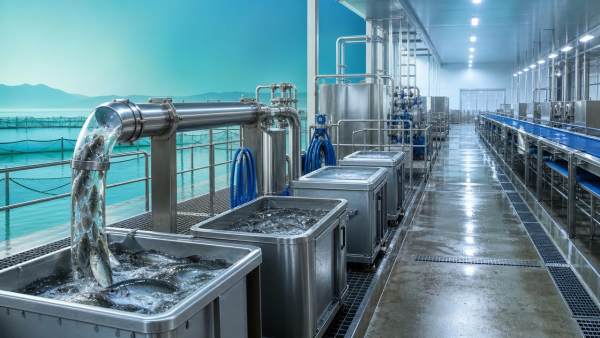
In Aquaculture & Fishery operations, handling safety now shapes uptime, product quality, and compliance performance. Safer transfer, storage, feeding, grading, and processing systems reduce injuries while protecting stock welfare and hygiene outcomes.
For Aquaculture & Fishery facilities, targeted upgrades are most effective when matched to operating scenes. A hatchery, offshore landing point, and filleting room face different exposure risks, workflow pressures, and sanitation requirements.
This practical guide explains how Aquaculture & Fishery upgrades improve handling safety across real working environments. It also highlights decision points that support resilient, efficient, and regulation-ready operations.
Why scene-based safety upgrades matter in Aquaculture & Fishery
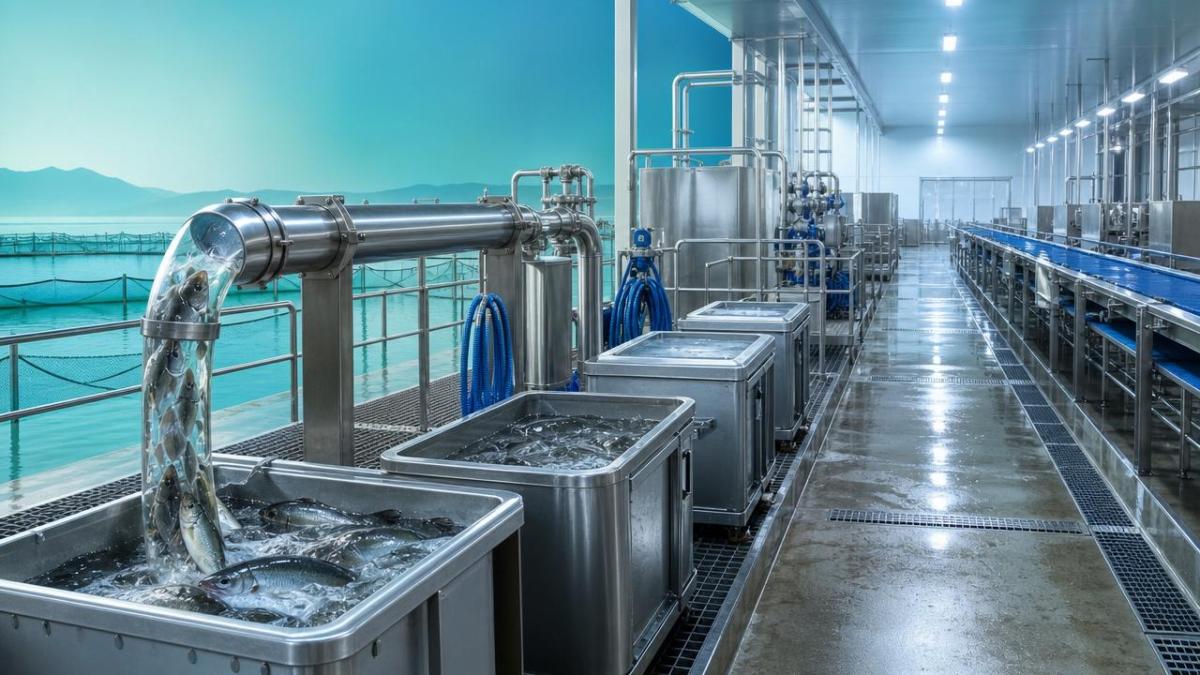
Handling risk is never uniform. Wet floors, live animal movement, cold-room fatigue, hose clutter, and manual lifting create different hazards depending on species, system design, and processing intensity.
A scene-based review prevents overinvestment in generic controls. It helps teams prioritize upgrades that reduce slips, crush points, contamination events, and repetitive strain without slowing production flow.
This matters across the broader industrial landscape as well. Aquaculture & Fishery facilities increasingly align safety planning with environmental controls, traceability systems, and quality documentation expectations.
When live fish transfer is the highest-risk scene
Core judgment points for tanks, raceways, and harvest lanes
Live transfer scenes often combine water splash, unstable footing, and sudden stock movement. In Aquaculture & Fishery settings, that mix raises both worker injury risk and mortality risk.
The first question is whether fish are still moved manually too often. Nets, bins, and improvised lifting methods increase shoulder strain, dropping incidents, and stock bruising.
Upgrades that improve handling safety
- Install low-shear pumps or fish-friendly transfer pipes for routine movement.
- Use anti-slip grating near tank edges, grading points, and loading zones.
- Add guardrails and defined access gates around elevated water systems.
- Replace open carry tubs with wheeled, sealed, ergonomic containers.
- Fit hose reels and cable routing to keep walkways clear.
These upgrades help Aquaculture & Fishery operators lower incident frequency while stabilizing animal condition during transfer. Better handling also reduces quality losses linked to stress and scale damage.
Where feed movement and storage create hidden handling hazards
Why this scene is often underestimated
Feed handling looks routine, yet many Aquaculture & Fishery injuries happen here. Heavy bags, dust exposure, awkward pallet access, and forklift interaction can create frequent low-level incidents.
The key judgment point is volume versus manual touchpoints. If the site scales output but keeps manual unloading and bag splitting, the safety burden rises quickly.
Practical upgrade options
- Shift from bag-based handling to bulk silos with enclosed conveying.
- Use vacuum assist lifters for remaining manual bag movement.
- Improve rack spacing to separate pedestrians from mobile equipment.
- Add dust capture at transfer points and mixing stations.
- Introduce barcode-based lot handling to reduce rushed rework.
In Aquaculture & Fishery environments, feed safety and worker safety are linked. Cleaner transfer systems reduce contamination risks while improving posture, visibility, and material control.
How processing lines should upgrade for repetitive and hygiene-sensitive work
Scene indicators that call for redesign
Processing rooms present a different challenge. Repetition, cold exposure, blade use, wet floors, and sanitation chemicals combine to create a high-frequency risk profile.
If turnover is high, minor cuts are common, or operators lean excessively across belts, the line likely needs ergonomic and handling redesign rather than more reminders.
Upgrades that deliver measurable gains
- Adjust conveyor heights to suit reach zones and neutral posture.
- Use cut-resistant gloves matched to task sensitivity and grip needs.
- Install floor drainage and textured surfaces near washdown areas.
- Add automated bin tipping and product positioning devices.
- Separate clean and dirty traffic with visible directional flow controls.
For Aquaculture & Fishery processors, safer handling improves consistency. Reduced fatigue supports cleaner cuts, better yield retention, and stronger hygiene discipline during long production runs.
Different Aquaculture & Fishery scenes require different controls
The same equipment standard rarely fits every operation. Safety upgrades should reflect biological load, moisture, throughput, staffing patterns, and traceability requirements.
How to match upgrades to facility conditions
A useful approach is to score each scene by incident history, manual handling frequency, contamination sensitivity, and downtime impact. This keeps Aquaculture & Fishery investment decisions practical and defensible.
- Map every transfer point from intake to dispatch.
- Record where lifting, twisting, and slippery footing occur.
- Check whether sanitation routines create secondary hazards.
- Prioritize upgrades with both safety and quality return.
- Test changes in one line or zone before full rollout.
Facilities in the wider primary industries sector increasingly pair these audits with digital reporting. Near-miss data, maintenance logs, and workflow timing reveal where handling safety improvements will matter most.
Common misjudgments in Aquaculture & Fishery handling safety
One common mistake is focusing only on PPE. Gloves and boots help, but they cannot solve poor reach distances, uncontrolled hose layouts, or unstable manual transfer practices.
Another error is treating quality controls and safety controls as separate budgets. In Aquaculture & Fishery plants, damaged stock, dropped containers, and rushed rework often begin with unsafe handling conditions.
Sites also underestimate changeover periods. Cleaning, maintenance access, and temporary routing during repairs can create short-term exposure spikes that deserve planned safeguards.
Next steps for safer and more resilient operations
The strongest Aquaculture & Fishery upgrade plans start with one question: which scene combines the highest handling frequency with the highest consequence of failure? That is the best place to act first.
Start with a short scene review, photograph current transfer and processing points, and document every manual touch. Then compare risks against achievable upgrades in equipment, layout, drainage, guarding, and material flow.
When safety upgrades are aligned to real operating scenes, Aquaculture & Fishery facilities gain more than compliance. They improve welfare outcomes, product integrity, labor stability, and long-term operational confidence.
Related Intelligence
- RAS SystemsHow to Vet Middle East Oxygenation System Suppliers for RAS ProjectsOxygenation system suppliers Middle East: learn how to vet RAS partners for proven performance, resilience, local service, and lifecycle value.
- RAS SystemsRAS System Cost Model: What Investors Should Budget Beyond Initial EquipmentRAS system cost model guide for investors: budget beyond equipment for energy, compliance, working capital, resilience, and sustainable returns.
- RAS SystemsRAS Technology Explained: How Biofiltration and Oxygen Control Work TogetherRAS technology explained: discover how biofiltration and oxygen control work together to maintain stable water quality, protect fish health, and improve aquaculture performance.
The Morning Broadsheet
Daily chemical briefings, market shifts, and peer-reviewed summaries delivered to your terminal.
