

The Authority in Global Agricultural Chemistry & Bio-Resources
AI Aquaculture Insights: What Farm Data Matters Most for Feeding, Water Quality, and Growth
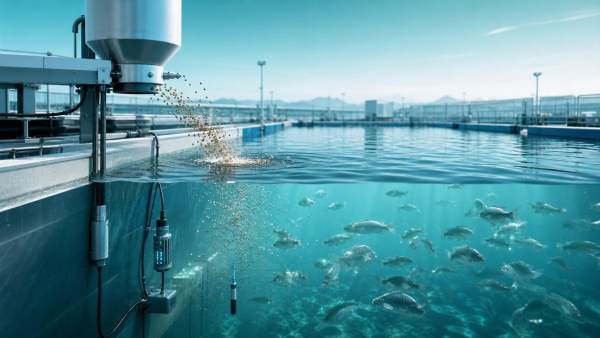
AI aquaculture insights are changing how production teams read farm performance. The real shift is not data collection alone. It is the ability to identify which signals actually influence feeding accuracy, water stability, and predictable growth.
That matters across the wider primary industries landscape covered by AgriChem Chronicle, where biological performance, equipment reliability, compliance, and supply chain discipline increasingly depend on measured evidence rather than routine judgment.
In aquaculture, farms can now capture more information than ever. Yet more dashboards do not automatically create better outcomes. What matters most is selecting the few data streams that explain appetite, stress, biomass change, and water risk before losses become visible.
Why data priority now shapes farm performance
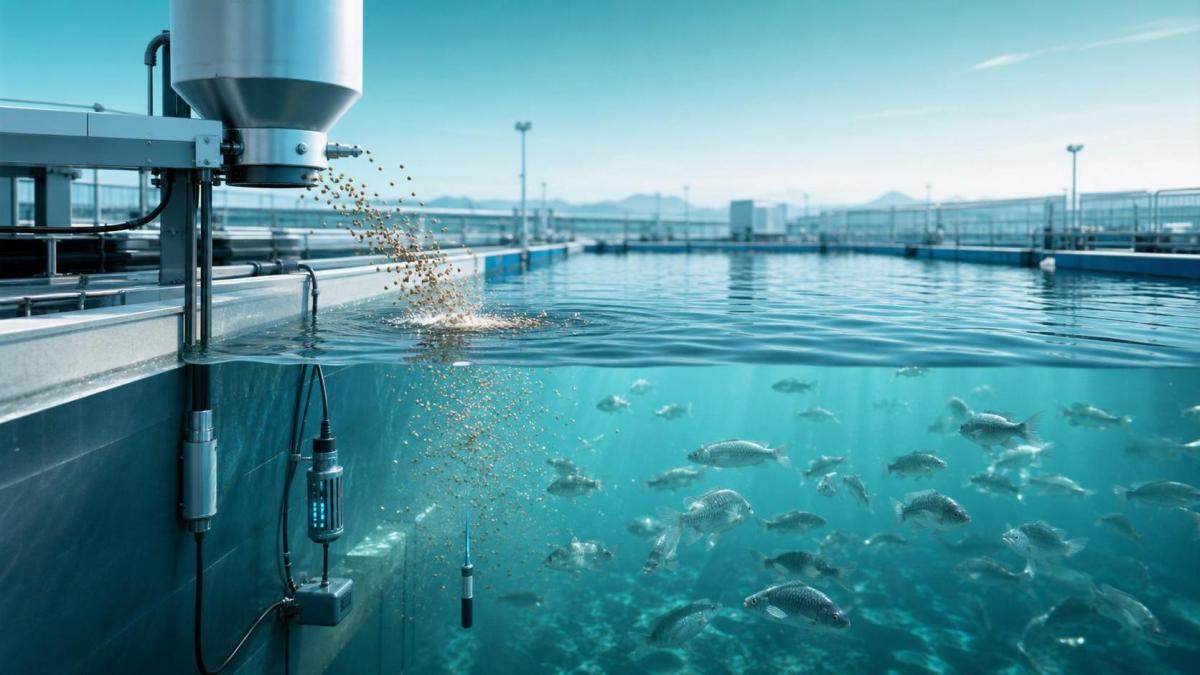
Feed remains one of the largest operating costs in fish and shrimp production. A small improvement in feed timing or ration size can change margin, water quality pressure, and harvest consistency at the same time.
Water quality adds another layer of urgency. Oxygen stress, pH swings, ammonia buildup, and unstable temperature profiles can reduce feeding response long before mortality appears. AI aquaculture insights help connect those early warning signs.
This is also why the topic fits a broader industrial context. The same discipline seen in regulated chemical and agricultural systems applies here: trusted inputs, traceable decisions, and performance records that stand up to operational review.
What AI aquaculture insights really mean on farm
At a practical level, AI aquaculture insights are not just predictions generated by software. They are decision-ready interpretations built from sensor readings, feeding events, camera data, weather inputs, and historical crop performance.
Simple raw data might show low dissolved oxygen at dawn. A stronger AI model explains whether that drop is likely to affect appetite, whether aeration should start earlier, and whether the previous evening feed was too aggressive.
That distinction matters. Farms do not benefit from isolated numbers. They benefit from ranked signals, confidence levels, and clear links between a data point and a production action.
The farm data that deserves the closest attention
Not every metric has equal value. Some are foundational because they influence several outcomes at once, especially feeding behavior, metabolic stress, and growth efficiency.
1. Biomass and size distribution
If biomass is wrong, feed planning is wrong. AI aquaculture insights often begin with improved biomass estimation through cameras, sonar, sampling, or image-based growth models.
Average weight alone is not enough. Size distribution matters because uneven populations create overfeeding for small individuals and underfeeding for larger ones, which reduces uniformity at harvest.
2. Feeding response and uneaten feed signals
The most useful feed data often comes from behavior, not from planned ration tables. Feeding speed, pellet strike rate, swim activity, and leftover feed all reveal whether appetite is rising, stable, or collapsing.
AI aquaculture insights can turn video and acoustic patterns into feeding recommendations. That reduces the lag between fish behavior and feeder adjustment.
3. Dissolved oxygen and oxygen variability
Dissolved oxygen is one of the clearest links between water condition and feed performance. Low oxygen suppresses appetite, slows conversion efficiency, and increases stress vulnerability.
Just as important is variability. Short oxygen dips can be missed by low-frequency measurement, yet still damage growth. High-resolution monitoring often reveals patterns that daily checks hide.
4. Temperature, pH, and nitrogen compounds
Temperature affects metabolism directly. pH changes the toxicity profile of ammonia. Nitrite can reduce oxygen transport. Read together, these metrics explain why animals may reject feed even when biomass targets suggest higher demand.
This is where AI aquaculture insights become more valuable than single-parameter alerts. The interaction among variables often matters more than one number crossing one threshold.
5. Feed conversion and growth trend data
Feed conversion ratio and daily growth rate remain core commercial indicators. They are lagging metrics, but still essential. When AI aquaculture insights link them with feeding behavior and water events, root causes become easier to isolate.
How strong data improves feeding decisions
Feeding is where AI aquaculture insights usually deliver the fastest visible return. Better decisions do not always mean more automation. Often they mean fewer assumptions and quicker response to changing conditions.
A common mistake is treating feed tables as fixed truth. In reality, appetite moves with oxygen, light, current, temperature, stress events, handling history, and stock density.
When those variables are integrated well, farms can improve several outcomes at once:
- less wasted feed entering the water column;
- better alignment between ration and actual appetite;
- more stable FCR across changing weather;
- earlier detection of stress before growth slows sharply.
In pond, tank, cage, and recirculating systems, the principle is similar. The best feed decisions come from combining live behavior data with environmental context, not from watching a feeder in isolation.
Water quality data is most valuable when connected to biology
Many farms already measure water quality. The challenge is interpretation. A number can be technically within range, yet still be harmful when viewed alongside stocking density, time of day, or recent feed load.
That is why AI aquaculture insights should not be used only for alarms. They are more useful when they reveal direction, interaction, and probability.
For example, rising temperature and falling oxygen may suggest a reduced feeding window later in the day. Elevated ammonia after strong feeding may signal that tomorrow’s ration plan needs revision even if mortality remains zero.
This approach also supports better documentation. In increasingly regulated food and primary production systems, consistent records strengthen traceability, internal review, and confidence in operational decisions.
What to check before trusting an AI dashboard
Not all analytics platforms generate equally useful AI aquaculture insights. A model is only as strong as the farm data, sensor maintenance, calibration discipline, and local validation behind it.
A practical review usually includes the following checks:
- whether biomass estimates are updated often enough for the production stage;
- whether sensor gaps, fouling, or drift are flagged clearly;
- whether recommendations explain which variables drove the suggestion;
- whether the system learns from local cycles, not only generic species models;
- whether decision records can support audit, benchmarking, and performance comparison.
This is consistent with the wider editorial perspective of ACC. In any technical sector, reliable intelligence depends on validated inputs, transparent methods, and operational relevance rather than attractive software alone.
A sensible next step for farms evaluating data priorities
The best starting point is usually not adding every available sensor. It is mapping which decisions create the greatest biological and financial impact, then identifying the missing data behind those decisions.
In many cases, that means reviewing biomass confidence, dissolved oxygen patterns, feeding response signals, and the relationship between water events and FCR drift. Those areas often reveal the fastest operational gains.
AI aquaculture insights become most useful when they help turn scattered readings into repeatable action. A farm that can explain why it fed, paused, aerated, or adjusted density is usually in a stronger position to improve the next cycle.
For anyone assessing systems, reports, or future upgrades, the key question is simple: which data points consistently change feeding, water quality, and growth decisions on the ground? That is where attention should stay.
Related Intelligence
- RAS SystemsHow to Vet Middle East Oxygenation System Suppliers for RAS ProjectsOxygenation system suppliers Middle East: learn how to vet RAS partners for proven performance, resilience, local service, and lifecycle value.
- RAS SystemsRAS System Cost Model: What Investors Should Budget Beyond Initial EquipmentRAS system cost model guide for investors: budget beyond equipment for energy, compliance, working capital, resilience, and sustainable returns.
- RAS SystemsRAS Technology Explained: How Biofiltration and Oxygen Control Work TogetherRAS technology explained: discover how biofiltration and oxygen control work together to maintain stable water quality, protect fish health, and improve aquaculture performance.
The Morning Broadsheet
Daily chemical briefings, market shifts, and peer-reviewed summaries delivered to your terminal.
