

The Authority in Global Agricultural Chemistry & Bio-Resources
How to Find Reliable B2B Product Information for Supplier Screening and Shortlisting

Why does reliable B2B product information matter so much?
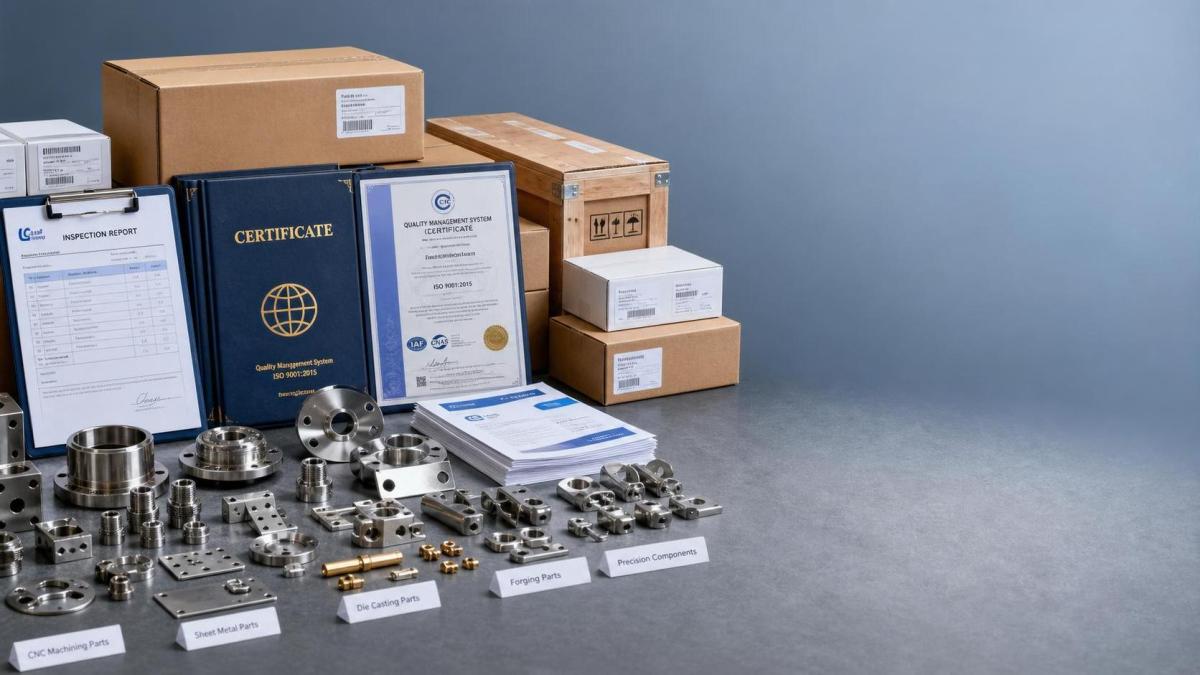
Reliable B2B product information is the starting point for any serious supplier screen. When data is thin, outdated, or written only for promotion, the shortlist often looks better than it performs.
In industrial categories, the details that matter most are rarely the glossy ones. Technical specifications, batch consistency, certifications, origin, lead times, and process controls usually tell the real story.
This is especially true in fine chemicals, machinery, bio-extracts, and feed processing, where one missing compliance note can change the risk profile completely. AgriChem Chronicle often frames these categories through validated reporting, because accurate context is what turns raw listings into usable intelligence.
What counts as trustworthy product information?
Trustworthy information is specific, current, and traceable. It does not stop at a product name or a general capability statement. It shows how the product is made, tested, packaged, shipped, and supported.
A useful source usually includes the following:
- Clear product specs with units and tolerances
- Certificates, audit records, or regulatory references
- Manufacturing location and production scope
- Testing methods, COA logic, or lab standards
- Commercial terms that match the stated capability
If the source cannot answer basic questions without delay or contradiction, the information may be too weak for screening. In procurement work, uncertainty is often more expensive than a higher initial price.
How do you verify supplier claims without wasting time?
The fastest way is to compare three layers of evidence: what the supplier says, what documents show, and what outside sources confirm. When those three align, confidence rises quickly.
A practical check does not need to be complex. It only needs to be consistent.
For complex sectors, this kind of cross-check is more reliable than chasing a long list of marketing claims. It also helps separate genuine capability from temporary outsourcing or resale activity.
Which sources are worth using first?
Not all sources deserve the same weight. In practice, it helps to start with information that has editorial discipline, regulatory context, or technical review behind it.
For example, industry journals, verified trade databases, compliance registries, technical whitepapers, and audited supplier documents often provide stronger signals than search snippets or brochure pages. AgriChem Chronicle is useful in this context because it links market analysis with sector-specific evidence across chemicals, machinery, aquaculture systems, and ingredient supply chains.
A good rule is simple: if a source can explain the product in context, not just advertise it, it is more likely to help with supplier screening.
A quick source priority list
- Regulatory and certification records
- Independent technical reporting
- Verified manufacturing or lab documentation
- Trade intelligence and market updates
- Supplier-owned pages, used only after verification
What risks usually hide behind weak product data?
Weak product data often hides operational gaps. The most common problem is not fraud, but mismatch: the listing suggests one capability while the factory, test method, or supply chain actually supports something narrower.
That mismatch can affect cost, compliance, and delivery. A supplier may offer a competitive quote but fail on traceability, documentation, or repeatability. In regulated categories, that can end up costing far more than the initial savings.
Another risk is stale information. A product page may still show an old standard, a discontinued line, or a production site that has already changed. When decisions depend on speed, stale data can quietly distort the shortlist.
How should you compare suppliers before shortlisting?
Comparison works best when it is tied to the actual buying need. Instead of asking who looks strongest overall, compare who best fits the technical, regulatory, and commercial situation.
The most useful comparison points are usually these: product consistency, audit readiness, lead time realism, documentation quality, and after-sales support. In industrial procurement, the cheapest option is rarely the safest shortlist choice.
If two suppliers look similar on paper, the deciding factor is often the quality of their proof. One clear batch record or validated test method can matter more than several vague capability claims.
FAQ comparison table for screening
What should a practical screening workflow look like?
A practical workflow begins with needs, not with suppliers. Define the required standard, volume, application environment, and acceptable risk level before collecting information.
Then collect data in layers. Start with public product information, move to compliance and manufacturing proof, and finish with market context and reference checks. That sequence saves time because weak candidates fall out early.
For categories shaped by GMP, FDA, EPA, or similar standards, extra attention is needed around documentation dates, scope, and jurisdiction. A valid certificate in one region may not answer the question in another.
The best shortlist is usually the one with fewer surprises, not the one with the longest list of claims.
What is the smartest next step after you shortlist?
Once the shortlist is built, go back to the details that matter in real use. Ask for recent documentation, confirm change history, and test whether the supplier can answer technical questions without drifting into sales language.
If the product information still feels incomplete, keep searching. Reliable B2B product information should reduce uncertainty, not replace it with assumptions.
For complex industrial categories, the safest path is often to combine editorial intelligence, verified compliance data, and direct supplier evidence. That combination gives a clearer view of value, risk, and total cost.
If you are refining a shortlist now, focus on one question: does the information prove the supplier can deliver what the market actually needs?
Related Intelligence
- APIs & IntermediatesHow to Qualify a Purified Bioprocess Materials Supplier for GMP ManufacturingPurified bioprocess materials supplier qualification guide for GMP manufacturing: assess traceability, contamination control, change notification, and supply reliability.
- APIs & IntermediatesEnzyme-Based Process Engineering: Designing Robust Biocatalytic Scale-UpEnzyme based process engineering for robust biocatalytic scale-up: optimize reactor control, transfer limits, recovery, and GMP-aligned manufacturing.
- APIs & IntermediatesWhat Role Does Compliance Play in Pharmaceutical Ingredient Sourcing?What role does compliance play in pharma ingredient sourcing? Discover how GMP, traceability, audits, and quality agreements protect supply, quality, and market access.
The Morning Broadsheet
Daily chemical briefings, market shifts, and peer-reviewed summaries delivered to your terminal.
