

The Authority in Global Agricultural Chemistry & Bio-Resources
Is aquaculture & fishery still worth investing in today?
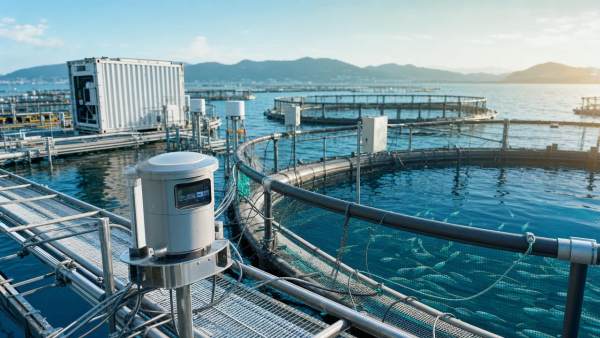
As global food demand rises and marine resources face tighter regulation, aquaculture & fishery remains a strategic sector for investors seeking resilient, technology-driven growth. Yet profitability today depends less on scale alone and more on compliance, traceability, automation, and supply chain control. For business decision-makers, understanding where capital can still generate sustainable returns is now more critical than ever.
Why aquaculture & fishery still attracts capital in the current market
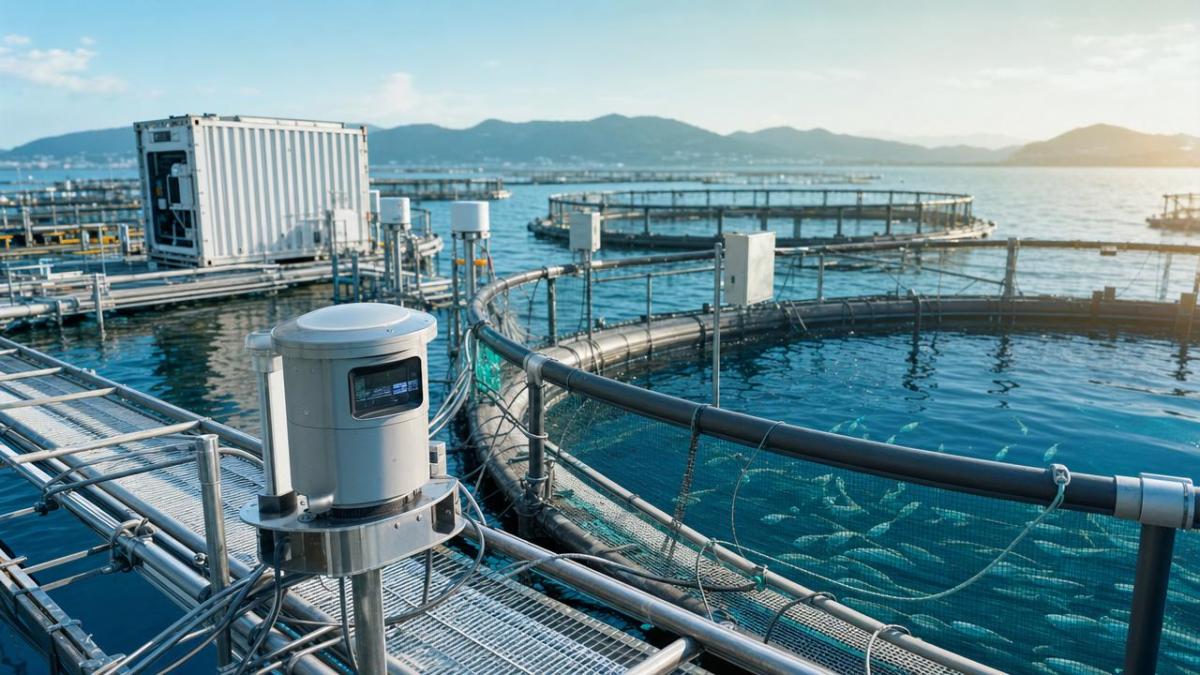
The short answer is yes, aquaculture & fishery can still be worth investing in today.
However, returns now depend on the investment scenario, operating model, and regulatory exposure.
Wild catch alone faces quota pressure, fuel volatility, and stricter marine governance.
Meanwhile, modern aquaculture & fishery benefits from protein demand, digital management, and controlled production environments.
This makes the sector attractive for capital that values long-term food security and measurable operational upgrades.
The strongest thesis is not “invest in fish.”
It is “invest in selective aquaculture & fishery models where biology, technology, and compliance align.”
Which market scenarios make aquaculture & fishery investment more attractive
Not every market condition rewards the same strategy.
Scenario-based thinking helps separate durable opportunities from short-lived margin spikes.
Scenario 1: Domestic protein security becomes a policy priority
When governments prioritize food independence, aquaculture & fishery gains structural support.
This may include hatchery incentives, water infrastructure, cold chain investment, or import substitution programs.
In this scenario, local production systems often outperform purely export-driven farms.
The key judgment point is whether policy support reduces long-term production risk.
Scenario 2: Export markets demand traceable and certified seafood
Premium markets increasingly require verifiable origin, feed transparency, and environmental compliance.
Here, aquaculture & fishery businesses with digital records and audit readiness hold stronger pricing power.
The investment case improves when certification unlocks access to stable buyers, not just higher spot prices.
Scenario 3: Input inflation pressures traditional farming margins
Feed, energy, labor, and transportation can compress profitability quickly.
In this scenario, scalable returns favor technology-enabled aquaculture & fishery operations.
Examples include automated feeding, oxygen monitoring, biomass estimation, and predictive health systems.
The core question becomes whether technology cuts cost per kilogram, not whether it looks advanced.
Scenario 4: Climate risk disrupts open-water production
Heat stress, disease spread, algae blooms, and extreme weather can damage conventional operations.
Under these conditions, resilient aquaculture & fishery models gain appeal.
Recirculating systems, sheltered production, improved broodstock, and geographic diversification become more valuable.
The best targets are those designed around risk control before disruptions occur.
How typical investment scenarios differ across aquaculture & fishery segments
Different segments carry very different capital cycles, biological exposure, and market timing.
A broad “seafood investment” lens often hides critical differences.
This comparison shows why aquaculture & fishery should be evaluated as a portfolio of sub-sectors.
The most resilient returns often appear where production and downstream processing are linked.
What demand differences matter most before investing
Demand quality matters as much as demand volume.
A strong aquaculture & fishery opportunity usually serves a specific end-market need.
- Retail-focused supply values consistency, packaging readiness, and food safety documentation.
- Foodservice channels value species mix, portion control, and delivery reliability.
- Export channels prioritize certifications, residue management, and traceability systems.
- Ingredient markets value by-product utilization, oil yield, protein recovery, and processing efficiency.
An operation selling into multiple channels can look diversified.
Yet channel complexity may increase compliance costs and operational friction.
The better investment target matches species, system design, and customer requirements from the start.
How to judge if a specific aquaculture & fishery model fits today’s market
A practical screen should test both biological strength and commercial discipline.
- Check regulatory exposure, including water permits, export rules, and environmental reporting duties.
- Measure feed conversion, mortality trends, stocking density, and harvest predictability.
- Review disease management, laboratory protocols, and emergency response capacity.
- Test whether digital traceability supports audits and customer claims.
- Evaluate energy dependence, especially in indoor aquaculture & fishery systems.
- Map supply chain concentration for juveniles, feed ingredients, and logistics services.
- Confirm whether processing, freezing, or distribution bottlenecks can reduce realized margins.
This approach avoids overvaluing headline demand while ignoring operating fragility.
In today’s aquaculture & fishery market, execution quality creates more value than simple capacity expansion.
Where investors often misread the aquaculture & fishery opportunity
Several recurring mistakes can distort the investment case.
Mistaking volume growth for profit growth
Higher production can raise biological stress, feed use, and mortality.
Without stronger controls, scale may amplify losses rather than returns.
Ignoring compliance as a cost driver and value driver
Environmental and food safety compliance is not a side issue.
In many markets, compliance determines market access, financing terms, and valuation quality.
Overlooking infrastructure around the farm or fleet
Cold chain gaps, weak testing capacity, or poor transport can erode strong farm performance.
Aquaculture & fishery returns depend on the whole chain, not only the production asset.
Underestimating data quality
If biomass estimates, feed logs, and mortality records are unreliable, risk is hard to price.
Operations with weak records often struggle when scaling, certifying, or exporting.
Practical next steps for evaluating aquaculture & fishery opportunities now
A disciplined entry plan can improve decision quality in this sector.
- Start with one target scenario, such as export shrimp, domestic tilapia, or integrated processing.
- Build a risk map covering regulation, water access, disease exposure, and energy sensitivity.
- Request operating data that links biological performance to realized selling prices.
- Compare margin resilience under feed inflation, weak pricing, and logistics disruption.
- Prioritize assets with traceability, compliance readiness, and downstream market access.
So, is aquaculture & fishery still worth investing in today?
Yes, but only in scenarios where operational control, compliance, and market fit are visible.
The sector no longer rewards passive exposure or simple production expansion.
It rewards selective strategy, technical discipline, and infrastructure-backed execution.
For ongoing intelligence on aquaculture & fishery trends, compliance shifts, and production economics, follow research grounded in verified industry analysis and cross-border supply chain insight.
Related Intelligence
- Commercial FishingWhat Should You Check in a Fishery Equipment Maintenance Contract?What should I look for in a fishery equipment maintenance contract? Explore coverage, response times, costs, records, safety, and biosecurity essentials.
- Commercial FishingDo commercial fishing vessels with hybrid diesel-electric propulsion reduce fuel cost per kg landed by more than 12%?Commercial fishing vessels with hybrid diesel-electric propulsion *can* cut fuel cost per kg landed by >12%—but only under precise operational and infrastructure conditions. Discover the real ROI.
- Commercial FishingHow to Choose Oyster Processing Equipment for Capacity, Hygiene, and Labor EfficiencyOyster processing equipment guide: compare capacity, hygienic design, and labor efficiency to build a reliable, scalable line and make smarter buying decisions.
The Morning Broadsheet
Daily chemical briefings, market shifts, and peer-reviewed summaries delivered to your terminal.
