

The Authority in Global Agricultural Chemistry & Bio-Resources
How to choose a seafood packaging machine that lasts
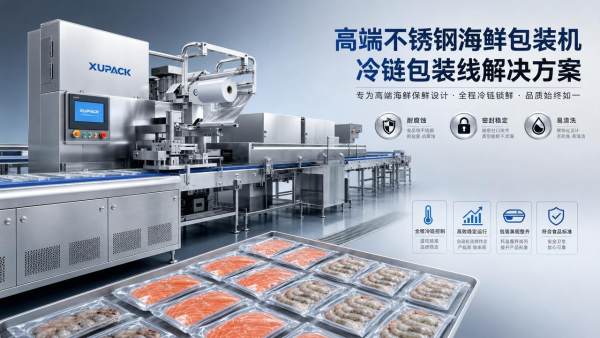
Choosing a seafood packaging machine that lasts is not just a capital decision—it directly affects product safety, uptime, compliance, and long-term operating costs. In wet, salty, high-throughput environments, even a well-known system can fail early if its materials, seal design, washdown suitability, and service support do not match the application. A durable seafood packaging machine should protect product quality while reducing stoppages, sanitation risks, and lifetime ownership cost.
Why a checklist matters when selecting a seafood packaging machine
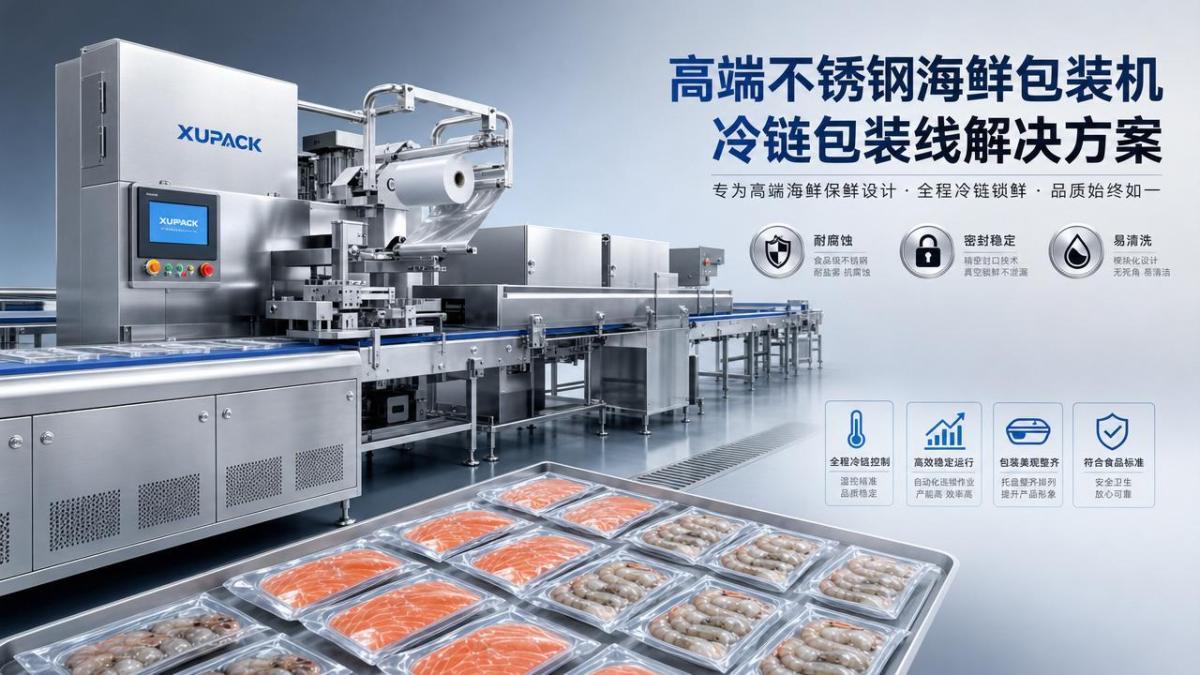
Seafood processing combines corrosive moisture, variable product texture, strict cold-chain demands, and evolving food safety rules. That makes machine selection more complex than comparing speed, footprint, or purchase price alone.
A checklist-based review helps compare each seafood packaging machine against measurable durability factors. It also reduces the risk of buying equipment that performs well in demonstrations but struggles under real washdown, brine exposure, and multi-shift production.
Core checklist for a seafood packaging machine that lasts
- Verify frame material and contact surfaces. Favor 304 or 316 stainless steel, welded hygienic joints, and corrosion-resistant fasteners designed for salt, blood, slurry, and aggressive cleaning agents.
- Inspect washdown design carefully. Confirm sealed electrical enclosures, sloped surfaces, open-frame construction, and drainage paths that prevent water pooling and reduce bacterial harborage after sanitation cycles.
- Check sealing consistency under cold and wet conditions. A seafood packaging machine must maintain seal integrity despite moisture, oil, temperature variation, and uneven product loading.
- Assess throughput against real product mix. Test the machine with fillets, shrimp, shellfish, frozen portions, and variable pack sizes instead of relying only on nameplate output figures.
- Review hygiene access points. Choose systems that allow fast tool-free access to belts, sealing jaws, trays, vacuum chambers, and product zones during inspection and cleaning.
- Confirm compatibility with packaging formats. The right seafood packaging machine should support vacuum packs, MAP trays, thermoforming, skin packs, or pouch applications without unstable changeover times.
- Examine drive and motion components. Servo systems, bearing protection, chain design, and gearbox sealing all affect long-term reliability in humid and high-salt operating conditions.
- Request evidence of sanitation compliance. Ask for documentation related to FDA-contact materials, HACCP-oriented design, GMP-friendly construction, and local electrical or environmental standards.
- Evaluate controls and diagnostics. A durable seafood packaging machine should provide fault history, seal monitoring, sensor alerts, and remote troubleshooting to shorten downtime.
- Measure total cost of ownership. Include film use, utilities, maintenance intervals, spare parts pricing, labor efficiency, and expected corrosion-related replacement costs over several years.
- Audit supplier service depth. Confirm local technicians, spare parts lead times, commissioning support, operator training, and preventive maintenance programs before placing an order.
- Run an acceptance trial with actual product. Use salted, chilled, or frozen seafood samples to validate leak rates, appearance, speed stability, and sanitation turnaround under production-like conditions.
Application differences that change the right choice
Fresh chilled fish and fillets
Fresh fillets often release liquid during handling and packing. Here, a seafood packaging machine needs reliable sealing through moisture and a design that limits drip accumulation in hard-to-clean areas.
Modified atmosphere packaging can extend shelf life, but gas flush accuracy matters. Poor gas control undermines pack appearance, product stability, and retail performance.
Frozen shrimp, portions, and IQF products
Frozen products create different stress points. Sharp edges, low temperatures, and high-speed filling can damage films or distort seals if the seafood packaging machine lacks proper jaw pressure and film handling control.
Thermoforming and vertical bagging systems may both work, but durability depends on film tension management, de-icing routines, and resistance to condensation around drives and sensors.
Shellfish and value-added marinated products
Shellfish can be abrasive, and marinades add acidity, oil, and residue. In these lines, cleanability becomes as important as output, because sticky buildup shortens component life and increases contamination risk.
A seafood packaging machine for marinated items should also manage heavier purge and preserve label-ready presentation without crushing delicate product texture.
Commonly overlooked issues that shorten machine life
Ignoring corrosion details beyond the main frame
Buyers often focus on stainless steel body panels, then miss vulnerable points like hinges, fasteners, cable glands, rollers, and bearing housings. One weak component can trigger repeated failures in a wet processing zone.
Overvaluing peak speed and undervaluing cleanability
A fast seafood packaging machine loses value if sanitation takes too long or requires difficult disassembly. In seafood plants, fast washdown recovery often matters more than headline cycle speed.
Using the wrong packaging material during evaluation
Performance trials should use the intended film, tray, pouch, and label combination. Seal strength and pack presentation can change significantly with different barrier structures or recycled-content materials.
Skipping serviceability checks
If a wear part takes hours to replace or needs proprietary tools, downtime costs rise quickly. Service access should be validated during inspection, not assumed from brochures.
Practical execution steps before making a final decision
- Map product conditions by temperature, moisture, salt exposure, and packaging format before comparing any seafood packaging machine models.
- Score each option on hygiene design, seal quality, corrosion protection, uptime support, and changeover time using the same weighted matrix.
- Request a factory acceptance test and an on-site performance review with real operators, actual cleaning chemicals, and production packaging materials.
- Ask for a preventive maintenance schedule, recommended spare parts list, and expected component life in seafood-duty conditions.
- Compare warranty scope carefully, especially exclusions related to washdown, corrosion, consumables, and electrical failures in humid environments.
Conclusion and next action
The best seafood packaging machine is not simply the fastest or the least expensive. It is the system that keeps sealing accurately, cleans easily, resists corrosion, and remains serviceable through years of demanding operation.
Start with a structured checklist, test with real seafood products, and verify lifetime support in writing. That approach gives any seafood packaging machine evaluation a stronger technical basis and a lower long-term risk profile.
Related Intelligence
- Commercial FishingWhat Should You Check in a Fishery Equipment Maintenance Contract?What should I look for in a fishery equipment maintenance contract? Explore coverage, response times, costs, records, safety, and biosecurity essentials.
- Commercial FishingDo commercial fishing vessels with hybrid diesel-electric propulsion reduce fuel cost per kg landed by more than 12%?Commercial fishing vessels with hybrid diesel-electric propulsion *can* cut fuel cost per kg landed by >12%—but only under precise operational and infrastructure conditions. Discover the real ROI.
- Commercial FishingHow to Choose Oyster Processing Equipment for Capacity, Hygiene, and Labor EfficiencyOyster processing equipment guide: compare capacity, hygienic design, and labor efficiency to build a reliable, scalable line and make smarter buying decisions.
The Morning Broadsheet
Daily chemical briefings, market shifts, and peer-reviewed summaries delivered to your terminal.
