

The Authority in Global Agricultural Chemistry & Bio-Resources
How aquaculture & fishery costs shift as water rules tighten
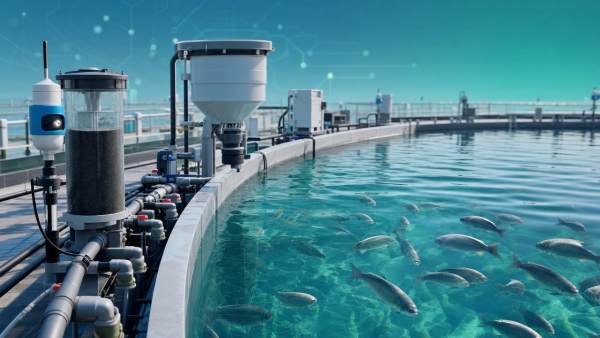
As water regulations tighten across global production zones, aquaculture & fishery operators are facing rising compliance, infrastructure, and feed-related expenses that directly affect margins and procurement strategy. For business decision-makers, understanding how these cost shifts reshape investment planning, supplier selection, and long-term operational resilience is now essential in an increasingly regulated and competitive market.
Why are aquaculture & fishery costs rising faster under tighter water rules?
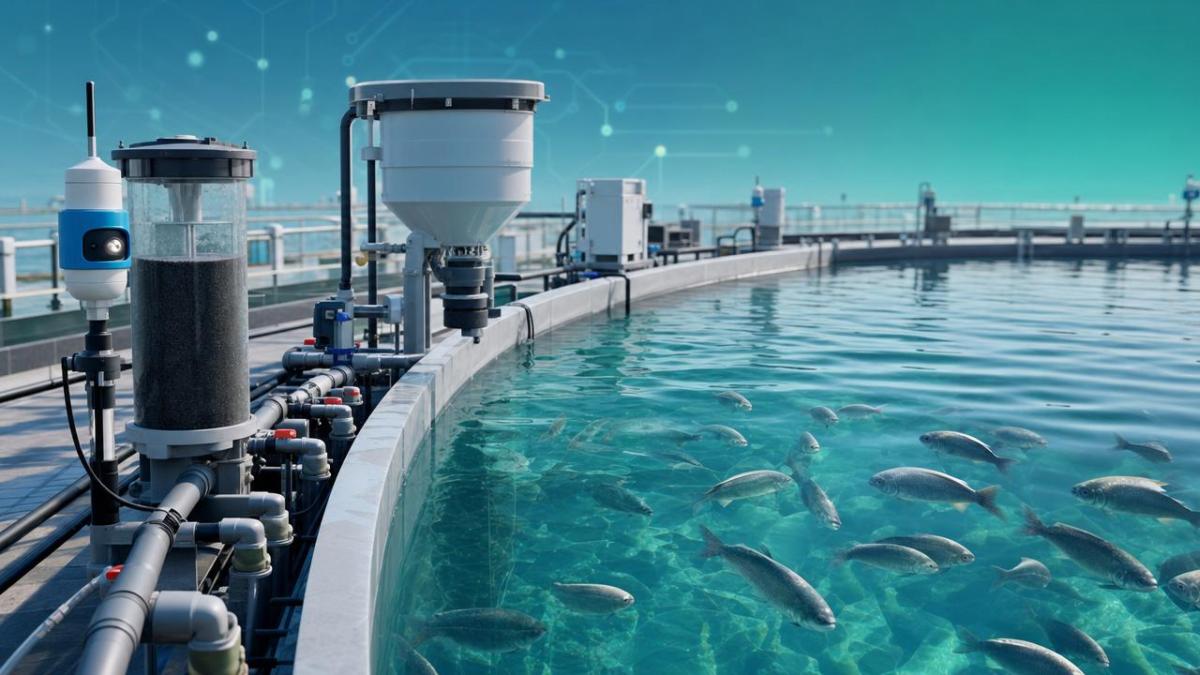
The cost pressure in aquaculture & fishery is no longer limited to feed inflation or fuel volatility. Water discharge permits, nutrient loading caps, antibiotic restrictions, sludge handling, intake monitoring, and traceability obligations are now moving from secondary concerns to board-level cost drivers.
For enterprise buyers and operators, the real issue is not simply whether rules are stricter. It is how quickly those rules convert into capital expenditure, operating expenditure, and procurement complexity across ponds, cages, recirculating aquaculture systems, hatcheries, processing lines, and cold-chain operations.
In many regions, environmental supervision is shifting from periodic inspection to continuous data-based oversight. That change matters. Once water quality, effluent chemistry, and treatment performance must be recorded and demonstrated consistently, the economics of aquaculture & fishery move from low-visibility operating habits to measurable compliance management.
- Treatment systems become mandatory rather than optional, increasing upfront engineering, installation, and maintenance costs.
- Feed strategies must adapt to lower waste output, often requiring more precise formulations, better digestibility, or tighter feeding automation.
- Supplier qualification grows more demanding because input quality now affects discharge performance, mortality risk, and permit exposure.
- Insurance, financing, and expansion approvals may depend on documented environmental control capability.
This is where decision-makers need a cross-sector view. AgriChem Chronicle tracks not only aquaculture & fishery technology, but also feed processing, fine chemicals, biochemical inputs, and industrial compliance trends that influence the full cost stack behind water regulation.
Which cost categories are changing most in aquaculture & fishery operations?
The sharpest increases usually appear in six categories: water treatment, monitoring and testing, feed efficiency upgrades, energy consumption, labor for compliance, and production risk buffers. These costs interact. A farm that underinvests in one area often pays more in another.
The table below summarizes how tighter water rules typically shift aquaculture & fishery cost structure from reactive spending toward controlled but heavier planned expenditure.
The key takeaway is that regulation does not create one isolated line-item increase. It reshapes the economics of the whole production model. In aquaculture & fishery, cheaper inputs can become more expensive once treatment burden, mortality, or permit exposure are included.
Hidden costs that executives often underestimate
Many investment reviews focus on visible equipment cost while ignoring the hidden drag of compliance. These overlooked items often determine whether a project remains profitable after expansion or after an inspection regime changes.
- Downtime during retrofits, especially when adding treatment modules to legacy ponds or processing facilities.
- Staff retraining for sampling, reporting, chemical handling, and corrective action documentation.
- Permit delays that slow capacity expansion, stocking cycles, or customer onboarding.
- Losses from non-compliance events, including stock stress, discharge violations, or buyer rejection due to incomplete traceability.
How do different aquaculture & fishery models absorb water-rule pressure?
Not every operating model reacts the same way. Pond-based systems, open-water cages, hatcheries, and recirculating aquaculture systems face different compliance burdens. Business leaders should compare not only current cost but also future adaptability under tighter regulation.
The comparison below helps procurement and investment teams evaluate where water-rule pressure is likely to land first.
For many enterprise-scale operators, the decision is no longer whether to modernize. It is which model offers the best balance of regulatory resilience, production density, financing feasibility, and supply contract stability.
When lower water use does not automatically mean lower cost
A common misconception in aquaculture & fishery is that reduced water intake always lowers total operating cost. In reality, lower intake often means more treatment intensity, more instrumentation, and tighter process control. A system can be water-efficient yet still require a strong energy budget and highly disciplined maintenance planning.
What should procurement teams evaluate before buying equipment or inputs?
Procurement teams should move beyond simple unit-price comparisons. Under tighter water rules, purchasing decisions need to reflect discharge impact, compatibility with existing systems, operator skill requirements, service access, and audit-readiness. This is especially important when comparing imported components, local fabrication, and integrated system packages.
A practical evaluation checklist for aquaculture & fishery buyers
- Define the compliance target first. Identify expected limits for discharge, intake quality, residues, and reporting frequency before requesting quotations.
- Review total operating cost. Include power demand, replacement media, cleaning chemicals, spare parts, and technician availability.
- Validate integration risk. Confirm whether the new unit fits current pumps, flow rates, tanks, feeding systems, or digital monitoring platforms.
- Assess supplier transparency. Ask for process description, material specifications, maintenance intervals, and documentation support.
- Plan for scale. Choose equipment and consumables that can support expansion without full system replacement after the next regulatory step-up.
AgriChem Chronicle supports this type of procurement review by connecting technical whitepaper analysis, input market intelligence, and regulatory context across aquaculture & fishery, feed processing, and chemical treatment supply chains. That broader perspective is useful when a cheaper component creates costly compliance friction later.
How do standards and compliance expectations influence cost planning?
Regulatory expectations vary by region and species, but the direction is consistent: more documented control over water quality, residues, input traceability, and environmental impact. Decision-makers should treat standards not as paperwork, but as operating design constraints that shape cost and market access.
The table below outlines common compliance themes that frequently affect aquaculture & fishery investment decisions.
Because ACC covers fine chemicals, bio-extracts, and primary processing alongside aquaculture & fishery, it is well positioned to interpret how environmental controls interact with input chemistry, plant sanitation, and procurement documentation. That is especially valuable for operators serving export markets or institutional buyers.
Where can businesses reduce cost without weakening compliance?
Not every rising cost should be accepted as fixed. Smart operators target waste intensity, not only treatment intensity. In practice, the most durable savings in aquaculture & fishery often come from preventing contamination load upstream rather than paying more to remove it downstream.
High-impact optimization areas
- Feed conversion improvement: Better pellet stability, ration timing, and biomass-based feeding reduce nutrient waste and discharge burden.
- Water reuse planning: In some systems, reuse lowers intake stress, but only when matched with reliable filtration and pathogen control.
- Digital monitoring: Early detection of dissolved oxygen drops, ammonia spikes, or filter underperformance prevents stock loss and emergency response costs.
- Supplier consolidation: Fewer but better-qualified vendors can reduce documentation gaps and simplify root-cause analysis when compliance issues appear.
Executives should also compare retrofit economics against phased replacement. Legacy infrastructure may appear cheaper to keep, but patchwork upgrades often create recurring maintenance and verification costs that exceed a well-designed replacement plan over several production cycles.
FAQ: what do decision-makers ask most about aquaculture & fishery cost shifts?
How should we budget for tighter water regulation if local rules are still evolving?
Use a staged model. Build a base case for current compliance, a mid case for stricter monitoring and moderate treatment upgrades, and a high case for discharge tightening or density restrictions. This gives finance and procurement teams a realistic framework for phased capital approval instead of emergency spending later.
Is the cheapest feed still a viable option in regulated aquaculture & fishery systems?
Often no. Lower-priced feed may increase fines, sludge, nutrient release, or inconsistent growth. Once water treatment load, mortality risk, and buyer quality expectations are included, a seemingly cheaper formula can raise total cost per harvestable kilogram.
What is the biggest procurement mistake under tighter water rules?
Buying isolated equipment without checking system compatibility. Pumps, flow rates, solids loading, energy capacity, operator skill, and spare-part access all affect whether a treatment or monitoring upgrade performs as promised in daily operation.
Do stricter water rules favor larger companies over smaller operators?
Larger operators often have better access to capital and technical teams, but smaller businesses can remain competitive if they standardize inputs, focus on controllable species or systems, and invest early in disciplined monitoring. Scale helps, but process discipline matters just as much.
Why decision-makers use AgriChem Chronicle to navigate aquaculture & fishery cost risk
When water rules tighten, the right decision requires more than a generic market article. Buyers need connected intelligence across equipment, feed, chemistry, compliance, and processing. That is where AgriChem Chronicle adds practical value for enterprise planning.
- We connect aquaculture & fishery technology trends with feed, biochemical input, and primary processing implications.
- Our editorial focus reflects the information needs of procurement directors, industrial farming operators, and technical decision-makers.
- We interpret regulatory pressure in commercial terms: capex timing, sourcing risk, supplier qualification, and long-term operational resilience.
- Our published intelligence is shaped by technical and trade-compliance perspectives relevant to heavily regulated production environments.
If your team is reviewing aquaculture & fishery investment under tighter water regulation, contact AgriChem Chronicle for support with parameter confirmation, technology comparison, supplier evaluation logic, expected delivery considerations, compliance research angles, and custom content partnerships that strengthen market visibility among institutional buyers.
Related Intelligence
- Commercial FishingWhat Should You Check in a Fishery Equipment Maintenance Contract?What should I look for in a fishery equipment maintenance contract? Explore coverage, response times, costs, records, safety, and biosecurity essentials.
- Commercial FishingDo commercial fishing vessels with hybrid diesel-electric propulsion reduce fuel cost per kg landed by more than 12%?Commercial fishing vessels with hybrid diesel-electric propulsion *can* cut fuel cost per kg landed by >12%—but only under precise operational and infrastructure conditions. Discover the real ROI.
- Commercial FishingHow to Choose Oyster Processing Equipment for Capacity, Hygiene, and Labor EfficiencyOyster processing equipment guide: compare capacity, hygienic design, and labor efficiency to build a reliable, scalable line and make smarter buying decisions.
The Morning Broadsheet
Daily chemical briefings, market shifts, and peer-reviewed summaries delivered to your terminal.
