

The Authority in Global Agricultural Chemistry & Bio-Resources
Is crop spraying drones OEM still worth it in 2026?
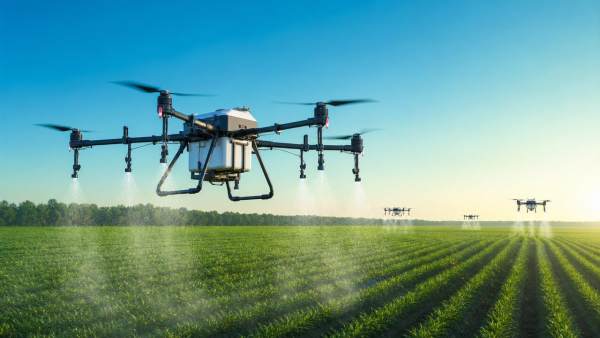
Is crop spraying drones OEM still worth it in 2026?
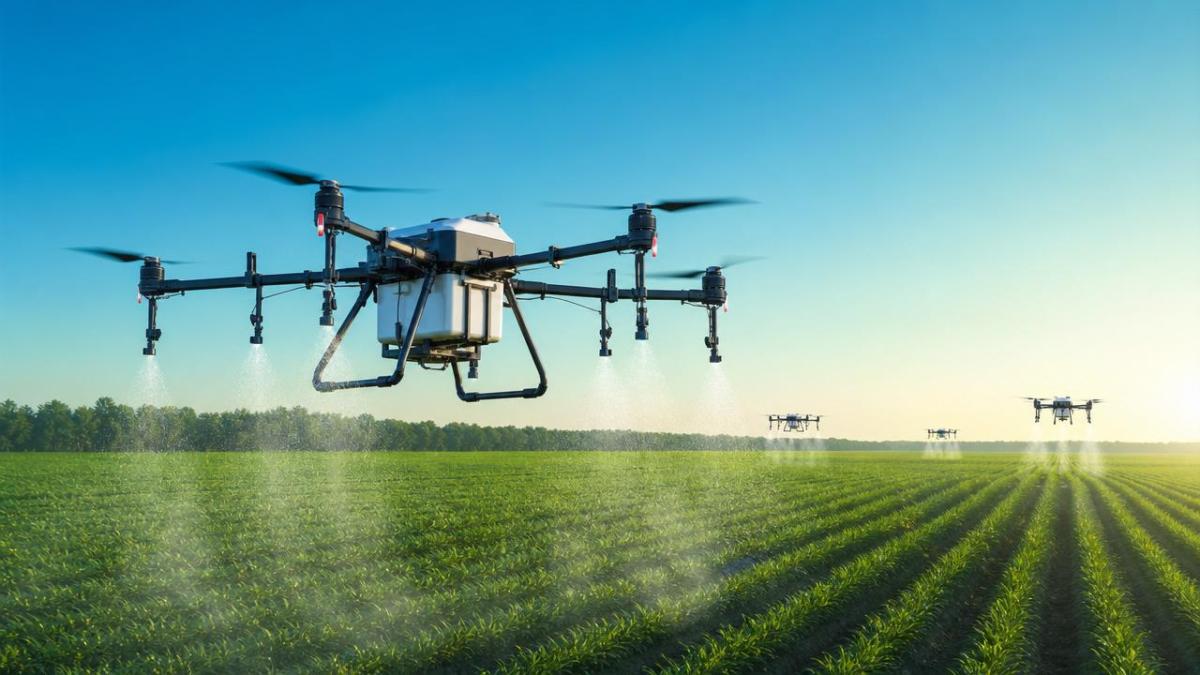
As agricultural input costs, labor shortages, and precision-farming mandates intensify, many enterprises are reassessing crop spraying drones OEM value in 2026.
The answer is no longer based on unit price alone. Long-term return now depends on compliance, payload design, flight reliability, service depth, and traceable supply chains.
For industrial agriculture, crop spraying drones OEM remains worth considering when it supports scalable deployment, verified quality systems, and region-specific agronomic requirements.
The 2026 market is shifting from equipment buying to operational assurance
The drone spraying market has moved beyond early adoption. In 2026, performance consistency matters more than novelty or headline specifications.
Crop spraying drones OEM suppliers now face tighter expectations around chemical compatibility, application accuracy, battery safety, and field uptime.
This shift reflects a broader industrial pattern. Agricultural machinery is being assessed like regulated processing equipment, not like consumer electronics.
Spraying drones operate at the intersection of machinery, agrochemicals, data systems, and environmental compliance. That makes OEM capability strategically important.
A low-cost platform may appear attractive. Yet poor droplet control, weak seals, or unstable firmware can quickly erase initial savings.
Trend signals defining crop spraying drones OEM decisions
- Larger farms are demanding fleet-level coordination instead of single-unit operation.
- Regulators are examining drift control, operator safety, and chemical exposure data.
- Battery logistics are becoming as important as tank capacity and nozzle design.
- After-sales response time increasingly determines operational value.
- Software updates must support local maps, languages, and compliance workflows.
These signals explain why crop spraying drones OEM remains relevant. The market needs integrated engineering, not generic assembly.
Why crop spraying drones OEM still has strategic value
The strongest case for crop spraying drones OEM is customization. Agricultural conditions vary sharply across crops, climates, terrain, and chemical programs.
Rice paddies, orchards, vineyards, cotton fields, and forestry plots require different spray logic. One universal drone rarely performs optimally everywhere.
OEM cooperation can adapt tank size, pump pressure, nozzle layout, radar configuration, and flight control behavior for targeted use cases.
In 2026, crop spraying drones OEM also supports brand differentiation. Hardware alone is easy to compare, but integrated field results are harder to copy.
A capable OEM partner can align drone hardware with agronomy programs, chemical labels, service networks, and digital farm platforms.
The table shows why crop spraying drones OEM should be judged through operating economics, not only purchase price.
The forces pushing OEM expectations higher
Several structural forces are raising the bar for crop spraying drones OEM in 2026.
- Labor scarcity: Seasonal spraying windows are short, and skilled operators remain limited in many regions.
- Chemical stewardship: Drift reduction and responsible application are becoming commercial and regulatory priorities.
- Input inflation: Fertilizers, pesticides, and adjuvants must be applied with higher precision.
- Data integration: Spraying records increasingly connect with farm management, insurance, and sustainability reporting.
- Supply chain scrutiny: Components, batteries, chips, and controllers must be available and traceable.
These drivers favor mature crop spraying drones OEM systems. They penalize suppliers unable to document engineering choices or quality controls.
Battery technology is especially important. Charging speed, cycle life, thermal protection, and transport compliance directly affect operating capacity.
Spray systems are equally critical. Pumps, hoses, filters, seals, and nozzles must tolerate aggressive formulations and frequent cleaning cycles.
A serious crop spraying drones OEM program should test with real formulations, not only water-based demonstrations in controlled environments.
Where OEM partnerships can create measurable gains
Crop spraying drones OEM creates the most value where field conditions are demanding, repetitive, and measurable.
Large field crops benefit from automated route planning, stable dosage, and reduced soil compaction compared with ground sprayers.
Orchards and vineyards benefit from terrain-following systems, obstacle sensing, and targeted canopy penetration.
Forestry and plantation operations benefit from safer access to steep or remote areas where manual spraying is inefficient.
In these settings, crop spraying drones OEM may reduce labor dependency and improve response speed during pest outbreaks.
Business functions affected by drone OEM choices
- Field operations: Flight stability, route automation, and battery cycles influence daily treated area.
- Chemical application: Droplet size, flow control, and nozzle calibration affect efficacy.
- Maintenance: Modular parts and diagnostics reduce downtime during peak spraying periods.
- Compliance reporting: Digital logs support traceability and responsible use claims.
- Financial planning: Lifecycle cost modeling clarifies real ROI.
The main advantage of crop spraying drones OEM is not simply ownership of drones. It is control over an application system.
Risks that can make OEM investment unattractive
Crop spraying drones OEM is not automatically worthwhile. Poor supplier selection can create hidden costs and operational disruption.
Common risks include overpromised payload endurance, incomplete software localization, weak technical documentation, and slow spare-parts delivery.
Another risk is regulatory mismatch. A drone acceptable in one jurisdiction may face restrictions elsewhere.
Local rules may cover aircraft weight, chemical spraying permissions, operator licensing, radio frequency use, and environmental protection.
Therefore, crop spraying drones OEM evaluation must include certification pathways, documentation language, and field data compatibility.
Warning signs during OEM evaluation
- No clear quality management process for critical components.
- Limited test data under heat, humidity, dust, and chemical exposure.
- Unclear firmware update policy or data ownership terms.
- Unverified claims about flight time under full payload.
- No structured service training or regional parts plan.
If these issues appear, crop spraying drones OEM may become a liability instead of a competitive advantage.
What to examine before committing in 2026
A practical review should combine engineering checks, field validation, regulatory analysis, and lifecycle cost modeling.
The goal is to confirm whether crop spraying drones OEM can support repeatable outcomes across seasons.
This framework turns crop spraying drones OEM from a price comparison into a risk-adjusted investment decision.
A phased response is safer than a rushed fleet rollout
The best approach in 2026 is staged adoption. Pilot data should guide scaling, rather than promotional specifications.
Start with representative fields, crops, chemicals, and weather conditions. Measure coverage rate, dosage accuracy, downtime, and operator workload.
Then refine configurations with the crop spraying drones OEM partner before expanding to larger fleets.
- Define target crops, acreage, terrain, and application windows.
- Request engineering data for pumps, batteries, controllers, and structural materials.
- Run controlled field trials using actual formulations and operating teams.
- Compare total cost per treated hectare, not only drone purchase cost.
- Confirm spare parts, warranty terms, software support, and compliance documents.
This sequence reduces uncertainty and reveals whether crop spraying drones OEM capability matches operational reality.
Final judgment: worth it, but only under stricter standards
Crop spraying drones OEM is still worth it in 2026 when it delivers validated engineering, reliable service, and measurable application performance.
It is less attractive when offered as generic hardware with weak documentation, uncertain compliance, or limited field support.
The market is moving toward accountable precision spraying. That favors OEM programs built around agronomic outcomes and transparent manufacturing.
The next step is clear: compare crop spraying drones OEM options through field evidence, lifecycle cost, and regulatory readiness.
AgriChem Chronicle will continue tracking agricultural machinery, fine chemicals, and primary industry technologies as these connected sectors evolve.
Related Intelligence
- Heavy Agri MachineryHow Does Market Forecasting Help Plan Farm Machinery Procurement?How does market forecasting help agri procurement planning? Discover how to time machinery purchases, protect cash flow, and reduce delivery risks before critical farm deadlines.
- Heavy Agri MachineryIs It Safe to Source Farm Machinery from Emerging Markets?Is it safe to source agri machinery from emerging markets? Discover how to verify suppliers, check compliance, and secure parts support to protect your farm and avoid costly buying mistakes.
- Heavy Agri MachineryHow to Size a Combine Harvester for Acreage, Crop Mix, and Harvest WindowsCombine harvesters sized for your acreage, crop mix, and harvest window: calculate real field capacity, match headers, and avoid costly bottlenecks.
The Morning Broadsheet
Daily chemical briefings, market shifts, and peer-reviewed summaries delivered to your terminal.
