

The Authority in Global Agricultural Chemistry & Bio-Resources
Corn Thresher Machines: Key Capacity, Grain Loss, and Power Factors to Compare
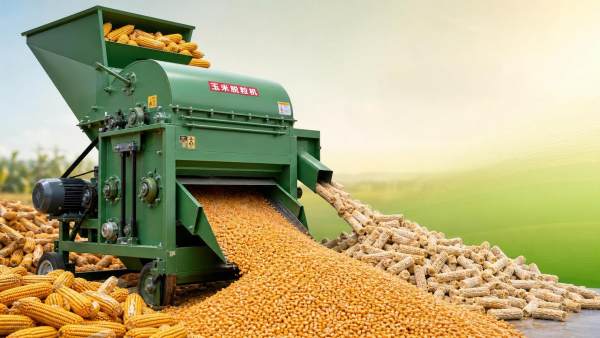
Corn thresher machines sit at a practical intersection of field productivity, post-harvest quality, and operating cost. A machine that looks similar on paper can behave very differently once moisture, cob size, feeding rhythm, and engine load enter the picture.
That is why capacity, grain loss, and power demand deserve to be compared together rather than in isolation. In grain processing and agricultural machinery coverage, this combination often reveals whether a unit will perform reliably in actual seasonal work, not just in a demonstration yard.
For a publication environment such as AgriChem Chronicle, where machinery performance is tied to broader supply-chain efficiency, the topic matters beyond the machine itself. Clean grain output, stable throughput, and manageable fuel use all influence downstream handling, storage, and processing value.
What corn thresher machines are really being asked to do
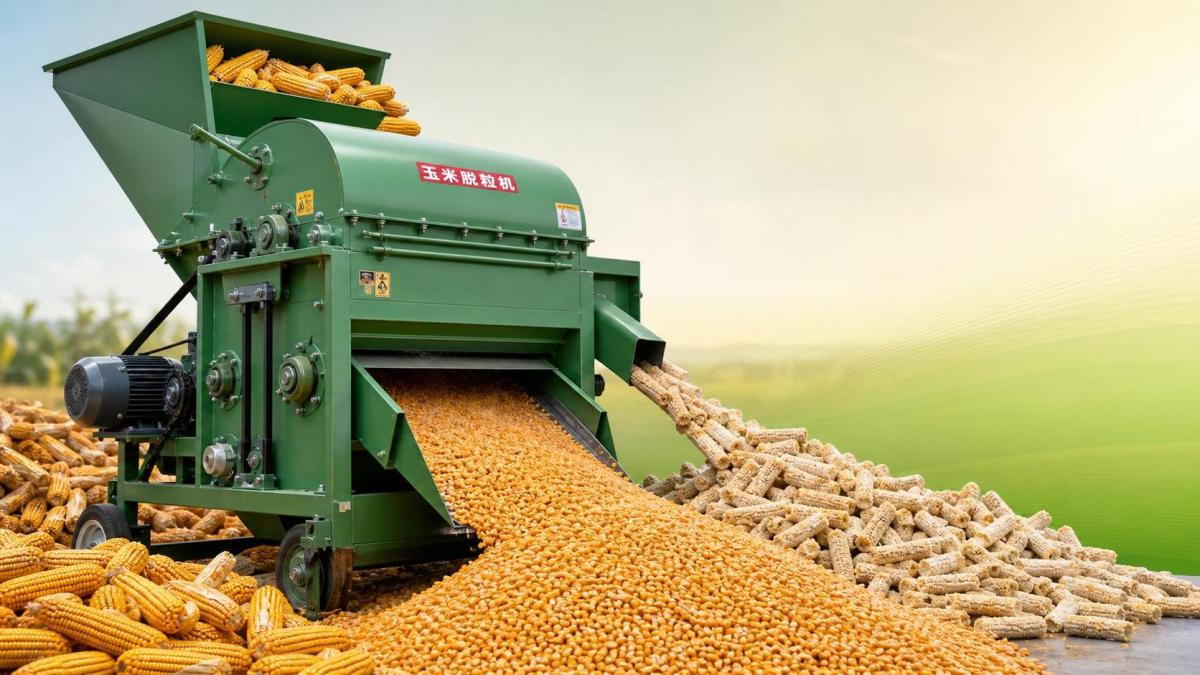
A corn thresher separates kernels from cobs and plant residue while trying to keep breakage and loss under control. The challenge is not only removing grain quickly, but doing so with enough consistency for changing field conditions.
Some corn thresher machines are designed for small farms and mobile use. Others serve larger operations where steady output, easier feeding, and compatibility with follow-up cleaning or bagging systems matter more.
In practice, machine selection often comes down to three questions. How much material can move through the machine each hour, how much grain is left behind or damaged, and how much power is needed to sustain that output without stress.
Why the market pays close attention to capacity, loss, and power
Post-harvest efficiency has become more visible in cost calculations. Labor availability is tighter in many regions, fuel remains volatile, and grain handling standards are rising where commercial buyers expect better consistency.
This changes how corn thresher machines are evaluated. A high-capacity model may look attractive, yet it can become expensive if it creates excess cracked grain, overloads a tractor, or forces repeated passes through cleaning equipment.
More importantly, grain loss is not a minor technical detail. Lost kernels represent direct yield reduction. Damaged kernels can shorten storage life, reduce saleable quality, and increase problems during drying, transport, or feed preparation.
From a wider industry perspective, that makes threshing performance part of raw material management. Reliable separation at the farm or processing edge supports a more predictable grain stream through the rest of the chain.
Capacity is more than a headline throughput number
Manufacturers often present output in tons per hour or kilograms per hour. That figure is useful, but only when the test conditions are understood. Crop moisture, ear size, husk level, and feeding method all influence real performance.
A machine rated for high throughput under dry, uniform material may slow noticeably in mixed harvest conditions. For that reason, actual working capacity is usually lower than laboratory or promotional figures.
What to examine behind the capacity claim
- Feeding system design and whether it accepts irregular ear sizes without frequent interruption.
- Drum or rotor configuration, because aggressive threshing can raise output but also increase kernel damage.
- Cleaning path efficiency, since poor separation downstream can bottleneck the entire machine.
- Operator rhythm, especially where manual feeding determines whether rated capacity is even reachable.
Usually, the most useful comparison is not peak capacity. It is sustainable hourly output over a normal working day, including stoppages for adjustment, clearing, bag changes, and maintenance checks.
Grain loss often decides the real economic value
Grain loss in corn thresher machines can appear in several places. Kernels may remain on the cob, fall outside the collection path, blow out with residue, or become damaged enough to lose commercial value.
The best way to read a low loss claim is to ask how it was measured. Was the crop dry or damp, clean or mixed, evenly fed or rushed, and tested over a meaningful period or a brief controlled run?
Even small percentage differences matter over a full harvest. A machine with slightly lower rated throughput can still return better value if it preserves more marketable grain and reduces rehandling.
Power factors shape daily operating stability
Power is often reduced to engine horsepower, but the comparison should go further. Corn thresher machines need matched power delivery, not simply a larger engine or motor.
If the machine is underpowered, feed becomes uneven, threshing quality drops, and blockages become more likely. If the setup is oversized for the workload, fuel or electricity costs may rise without a proportional gain in output.
The practical power points to compare
- Starting load and whether the machine reaches working speed smoothly.
- Power stability under heavier feeding or wetter material.
- Fuel consumption per ton of processed corn, not just per hour.
- Compatibility with available tractor PTO, diesel engine, or electric supply.
- Heat buildup, belt slip, or vibration during long operating periods.
This is where operating economics become visible. A balanced machine maintains acceptable output with stable power draw and predictable service intervals. That usually matters more than headline horsepower alone.
Field conditions change how corn thresher machines perform
No machine works in a vacuum. Moisture content, husk condition, cob size variation, and foreign material all influence threshing behavior. A model that runs cleanly in dry conditions may struggle when harvest timing shifts.
That is why side-by-side comparison should include the intended use pattern. Stationary seasonal use, mobile contract work, and integration with feed or grain processing each create different priorities.
Common operating contexts
- Small and medium farms often value mobility, simple maintenance, and tolerance for mixed material.
- Higher-volume sites tend to prioritize continuous feed, reduced grain loss, and compatibility with cleaners or conveyors.
- Remote operations may prefer simpler mechanical systems with easier local parts support.
- Processing-linked setups often need cleaner output to reduce burden on downstream equipment.
Seen this way, the right machine is not always the biggest one. It is the one whose capacity, loss profile, and power demand fit the crop condition and working rhythm most closely.
A useful comparison framework before purchase or deployment
A disciplined evaluation helps separate meaningful performance from brochure language. For corn thresher machines, simple observation in live material often reveals more than a long feature list.
It also helps to compare adjustment range. Machines with accessible settings for drum speed, clearance, and airflow are usually easier to tune when the crop changes from one field or storage lot to another.
Where the next decision should focus
The most reliable next step is to translate field needs into measurable thresholds. Set an acceptable hourly output, define a maximum loss tolerance, and estimate the power source realistically available during peak harvest.
From there, compare corn thresher machines using actual crop samples, routine working speed, and full-shift behavior. That approach produces a far better decision than relying on advertised capacity alone.
In a market that increasingly values traceable performance and efficient raw material handling, careful evaluation of corn thresher machines supports both immediate operating results and stronger downstream grain quality. A clear comparison framework now makes later adjustments much easier.
Related Intelligence
- Heavy Agri MachineryHow to Assess Heavy Agricultural Machinery Producers for Dealer Support and Parts AvailabilityHeavy agricultural machinery producers: learn how to assess dealer expertise, critical parts availability, service response, and downtime risk before you buy.
- Heavy Agri MachineryCan Agricultural Equipment Be Retrofitted for Precision Agriculture?Can agricultural equipment be retrofitted for precision agriculture? Discover practical upgrades, compatibility checks, costs, and smarter ways to boost farm efficiency.
- Heavy Agri MachineryWhich agricultural machinery manufacturer offers modular service documentation compatible with OEM diagnostic software?Which agricultural machinery manufacturer delivers modular service docs that integrate natively with OEM diagnostic software? Discover CLAAS, John Deere & SDF—real interoperability, zero PDF friction.
The Morning Broadsheet
Daily chemical briefings, market shifts, and peer-reviewed summaries delivered to your terminal.
