

The Authority in Global Agricultural Chemistry & Bio-Resources
Are corn thresher machines worth the upgrade?
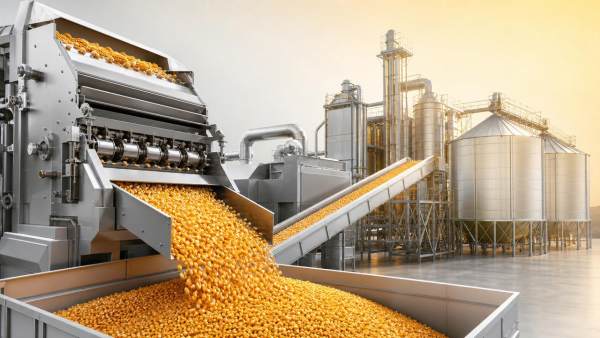
For industrial farms and grain processors facing tighter margins, labor shortages, and rising quality expectations, the question is no longer whether threshing can be mechanized.
The sharper question is whether modern corn thresher machines justify the capital upgrade over aging, slower, or manually assisted equipment.
New-generation systems promise higher throughput, cleaner separation, reduced kernel damage, and better integration with drying, cleaning, grading, and storage workflows.
This FAQ-style guide reviews the operational, financial, and technical factors that determine whether corn thresher machines are worth upgrading.
Are corn thresher machines worth the upgrade for modern grain operations?
In many commercial settings, corn thresher machines are worth the upgrade when harvest volume, labor pressure, and grain quality targets have increased.
Older threshers may still function, but they often struggle with speed, consistency, safety, and post-harvest compatibility.
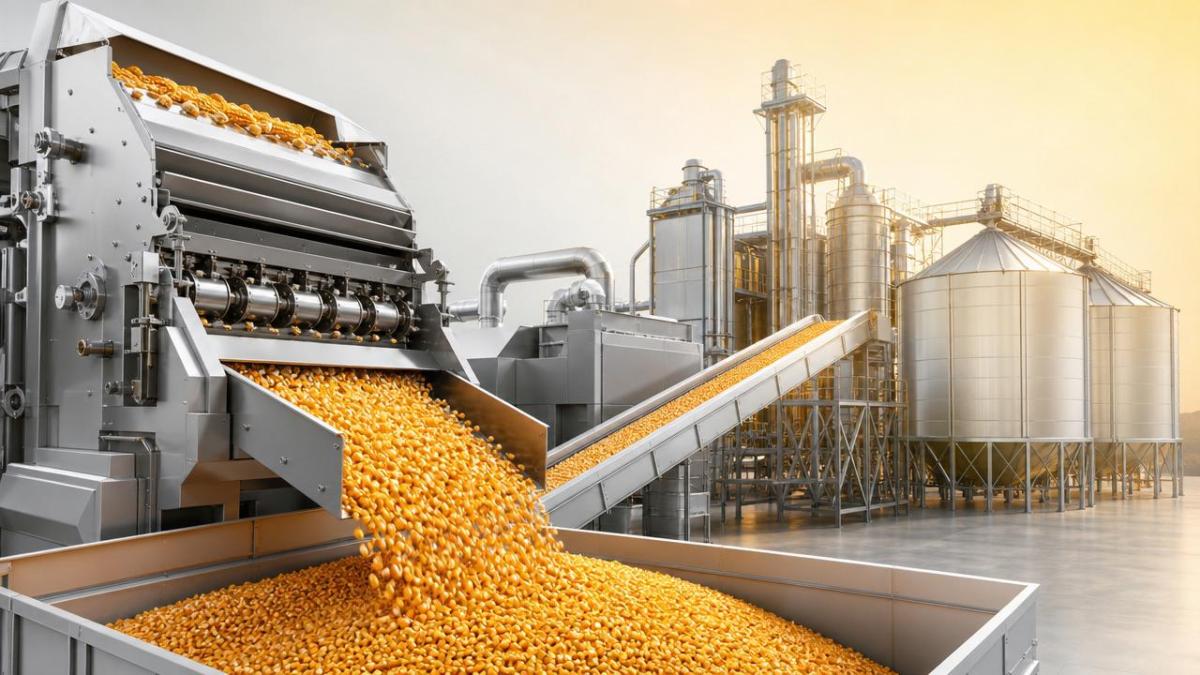
The value of corn thresher machines depends on measurable gains, not only machine age or marketing claims.
Useful indicators include tonnes processed per hour, broken kernel percentage, impurity rate, downtime frequency, and labor hours per batch.
If an upgrade improves several indicators simultaneously, the payback case becomes stronger.
- Higher throughput reduces harvest bottlenecks during narrow weather windows.
- Cleaner threshing improves downstream drying, storage, and feed processing performance.
- Lower kernel damage supports better market grading and reduced loss.
- Improved guarding and automation reduce exposure to moving parts.
For small seasonal use, basic corn thresher machines may remain adequate.
For continuous commercial use, modern systems usually offer clearer operational advantages.
What problems do upgraded corn thresher machines actually solve?
Upgraded corn thresher machines solve problems that appear during peak harvest, not only during controlled demonstrations.
The first problem is inconsistent feed handling.
Variable cob moisture, mixed cob sizes, and uneven feeding can overload older machines.
Modern corn thresher machines often use optimized drums, adjustable concaves, and steadier feed mechanisms.
These features help maintain stable separation without excessive kernel breakage.
The second problem is labor intensity.
Manual feeding, frequent clearing, and repeated reprocessing increase labor cost and fatigue.
Better corn thresher machines reduce repetitive handling and shorten processing cycles.
The third problem is quality loss.
Cracked kernels can reduce feed consistency, increase dust, and create storage risks.
Clean separation also matters when grain enters milling, feed formulation, or seed-related channels.
The fourth problem is unpredictable downtime.
Worn bearings, weak belts, poor shielding, and limited spare parts can stop production at the worst time.
Upgraded corn thresher machines with serviceable designs and available components reduce this exposure.
How should capacity and grain quality be evaluated?
Capacity should be evaluated under realistic crop conditions, not only rated catalogue output.
Moisture content, cob size, feeding method, operator skill, and power stability all affect actual performance.
When comparing corn thresher machines, request test data that reflects local crop profiles and expected operating hours.
A machine rated at high output may underperform if it needs frequent cleaning or adjustment.
Grain quality evaluation should include more than visual inspection.
Useful measures include broken kernel rate, unthreshed grain rate, impurity percentage, dust level, and residual cob fragments.
Corn thresher machines should preserve kernel integrity while removing grain efficiently from the cob.
Excessive aggressiveness can raise throughput but damage grain.
Too little aggressiveness can leave kernels on cobs and force reprocessing.
Practical test checklist
- Test with dry, average, and slightly higher-moisture corn.
- Measure actual hourly output over a full working shift.
- Sample grain for breakage and impurities after every batch.
- Record stoppages, cleaning time, and adjustment frequency.
- Check whether discharge aligns with conveyors, bagging, or storage intake.
A strong upgrade case exists when corn thresher machines improve capacity without compromising grain quality.
Which features matter most when selecting corn thresher machines?
The most important features depend on operating scale, crop condition, mobility needs, and integration requirements.
However, several specifications deserve close review before any purchase decision.
Threshing mechanism design affects separation efficiency and kernel protection.
Adjustable clearance helps corn thresher machines handle different cob sizes and moisture conditions.
Power compatibility is another key factor.
Electric, diesel, PTO-driven, and hybrid configurations each suit different sites and field conditions.
Energy consumption should be compared against output, not only motor size.
Safety design should include guards, emergency stops, stable frames, and clear maintenance access.
Noise, dust control, and ergonomic feeding height also influence daily operation.
For larger facilities, corn thresher machines should connect smoothly with elevators, conveyors, cleaners, dryers, or packing lines.
Poor integration can create bottlenecks even when the thresher itself performs well.
How do costs, payback, and implementation timelines compare?
The purchase price of corn thresher machines is only one part of the upgrade calculation.
Total cost should include installation, power upgrades, operator training, spare parts, transport, and preventive maintenance.
Payback usually comes from several sources working together.
Labor savings are often visible first, especially where manual feeding or reprocessing is common.
Higher throughput can also protect harvest timing and reduce grain exposure to weather.
Quality improvements may add value by reducing broken kernels, dust, and storage losses.
Implementation timelines vary by system complexity.
A standalone unit may be deployed quickly after power and foundation checks.
A line-integrated installation may require layout planning, conveyor matching, electrical verification, and safety review.
Before investing in corn thresher machines, estimate seasonal workload and operating days.
A high-capacity machine may not pay back quickly if annual utilization remains low.
Conversely, an undersized machine can create hidden costs through overtime, delays, and repeated handling.
Simple payback questions
- How many tonnes are processed each season?
- How many labor hours are currently required per tonne?
- What is the current loss from broken or unthreshed grain?
- How often does legacy equipment stop production?
- Can the upgraded system serve multiple sites or crop batches?
Corn thresher machines become financially attractive when several answers reveal recurring, measurable inefficiencies.
What risks and common mistakes should be avoided?
The biggest mistake is buying corn thresher machines based only on advertised capacity.
Rated output may assume ideal moisture, uniform cobs, continuous feeding, and optimal power conditions.
Another mistake is ignoring spare parts availability.
A low-cost machine can become expensive if critical parts require long lead times.
Safety should never be treated as optional.
Corn thresher machines involve rotating components, belts, shafts, and discharge points.
Guarding, lockout procedures, and operator training are essential for reliable industrial use.
Dust management is another overlooked risk.
Fine dust can affect working conditions, equipment cleanliness, and storage quality.
For enclosed facilities, ventilation and housekeeping plans should accompany the upgrade.
What is the final verdict on upgrading corn thresher machines?
Corn thresher machines are worth the upgrade when they solve defined bottlenecks and improve measurable production outcomes.
The strongest cases involve high seasonal volume, limited labor, strict grain quality needs, and aging equipment with frequent downtime.
The weakest cases involve low utilization, unclear quality requirements, or purchases made without field testing.
A disciplined evaluation should compare current losses against expected gains from modern corn thresher machines.
Document output, labor, breakage, impurities, maintenance cost, and downtime before approaching suppliers.
Then request performance evidence under realistic crop conditions.
For operations planning post-harvest modernization, the next step is a structured equipment audit.
List existing constraints, define target output, and identify where threshing connects with cleaning, drying, storage, or feed processing.
When selected carefully, corn thresher machines can deliver faster harvest handling, cleaner grain, safer workflows, and more predictable operating economics.
Related Intelligence
- Heavy Agri MachineryHow Does Market Forecasting Help Plan Farm Machinery Procurement?How does market forecasting help agri procurement planning? Discover how to time machinery purchases, protect cash flow, and reduce delivery risks before critical farm deadlines.
- Heavy Agri MachineryIs It Safe to Source Farm Machinery from Emerging Markets?Is it safe to source agri machinery from emerging markets? Discover how to verify suppliers, check compliance, and secure parts support to protect your farm and avoid costly buying mistakes.
- Heavy Agri MachineryHow to Size a Combine Harvester for Acreage, Crop Mix, and Harvest WindowsCombine harvesters sized for your acreage, crop mix, and harvest window: calculate real field capacity, match headers, and avoid costly bottlenecks.
The Morning Broadsheet
Daily chemical briefings, market shifts, and peer-reviewed summaries delivered to your terminal.
