

The Authority in Global Agricultural Chemistry & Bio-Resources
Agri Tech Greenhouse Automation: Which Systems Matter Most for Yield and Labor Control?
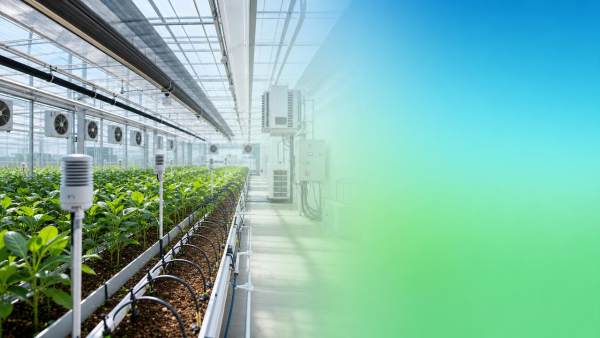
Agri Tech Greenhouse Automation: Which Systems Matter Most for Yield and Labor Control?
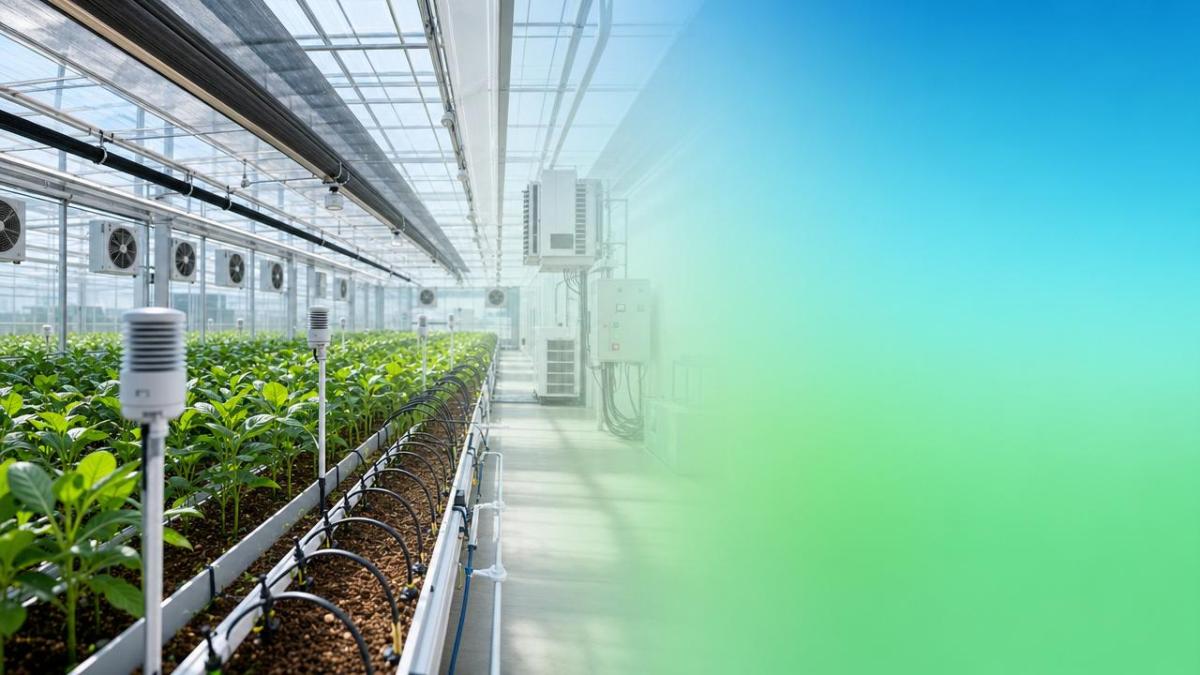
For enterprise growers, Agri Tech greenhouse automation has moved from optional upgrade to operating necessity.
Yield targets are tighter, labor is harder to secure, and climate volatility is now a daily planning issue.
That changes the buying question.
The real issue is not whether to automate, but which systems create measurable gains first.
In practical operations, the highest-value automation tools usually do three things well.
- They stabilize plant conditions across changing weather and production loads.
- They reduce labor dependence for routine, repetitive, and time-sensitive tasks.
- They connect greenhouse data to decisions on irrigation, energy, crop timing, and compliance.
This is why Agri Tech greenhouse automation is now closely tied to margin protection, not just modernization.
From recent market shifts, the strongest signal is clear.
Operators want systems that improve consistency at scale and still remain manageable for lean teams.
Why Agri Tech Greenhouse Automation Starts with Climate Control
If one system deserves priority, it is automated climate control.
Temperature, humidity, CO2, airflow, and light exposure drive crop response every hour.
Manual adjustment cannot keep pace in large commercial houses.
A strong Agri Tech greenhouse automation platform uses distributed sensors and central controls.
It then coordinates vents, shade screens, circulation fans, heaters, cooling pads, and CO2 dosing.
The value is straightforward.
- Fewer stress events during peak heat or sudden cold snaps.
- More uniform crop development across zones and growing cycles.
- Lower energy waste from overcorrection and delayed response.
- Better disease prevention through tighter humidity control.
For yield protection, this system often delivers the fastest operational impact.
It also lays the foundation for every other layer of greenhouse automation.
Irrigation and Fertigation Automation Often Deliver the Clearest ROI
After climate, irrigation and fertigation automation usually rank next for return.
Water and nutrient precision directly affect yield, quality, and input efficiency.
This matters even more in high-value crops where inconsistency quickly becomes expensive.
Modern Agri Tech greenhouse automation links substrate moisture, EC, pH, drain ratio, and weather signals.
The system can then trigger irrigation events based on actual crop need.
That is a major shift from fixed schedules.
In real business terms, the benefits are easy to see.
- Reduced water use and tighter nutrient application.
- Less labor spent on manual checks and valve control.
- Lower risk of overwatering, root stress, and uneven feeding.
- Better traceability for audits, certifications, and internal performance reviews.
When evaluating vendors, recipe control and sensor reliability matter more than dashboard appearance.
A clean interface helps, but agronomic accuracy pays the bill.
Labor Control Depends on Workflow Automation, Not Only Robotics
Many buyers immediately think of robots when discussing labor savings.
But the strongest labor gains often come earlier through workflow automation.
This includes task scheduling, mobile work orders, harvest planning, and automated alerts.
A capable Agri Tech greenhouse automation setup reduces hidden coordination losses.
Those losses usually appear as delayed tasks, duplicate work, missed treatments, or uneven crew productivity.
The more sites or greenhouse blocks involved, the more important this becomes.
Useful workflow functions often include:
- Automated labor assignments tied to crop stage and greenhouse zone.
- Real-time notifications for irrigation faults, climate alarms, or disease thresholds.
- Digital records for scouting, spraying, harvesting, and sanitation routines.
- Shift-level productivity tracking for labor planning and cost analysis.
Robotics still matter, especially for transport, spraying, and repetitive handling.
However, full robotic adoption makes more sense after process discipline is already in place.
AI Monitoring Helps Agri Tech Greenhouse Automation Become Predictive
The next layer is AI-assisted monitoring and predictive analytics.
This is where Agri Tech greenhouse automation starts moving beyond control into foresight.
Camera systems, machine vision, and trend analysis can detect issues earlier than manual inspection alone.
That may include stress signals, canopy changes, pest pressure, or irrigation anomalies.
The business case improves when AI is tied to action, not just observation.
For example, alerts should trigger scouting workflows, irrigation adjustments, or climate review.
Otherwise, the system becomes another screen without operational value.
The strongest AI use cases usually support:
- Early disease and pest detection.
- Yield forecasting by zone, variety, or planting schedule.
- Resource optimization across labor, energy, and water.
- Exception-based management for lean supervisory teams.
More importantly, predictive monitoring helps reduce surprises.
That is often the real source of savings in commercial greenhouse operations.
Integration Is What Makes Greenhouse Automation Scalable
Many automation projects underperform because systems remain isolated.
Climate software sits in one platform, irrigation in another, and labor records somewhere else.
That creates data gaps and management friction.
Scalable Agri Tech greenhouse automation depends on integration across operational layers.
At minimum, decision-makers should look for connection between these functions:
- Climate control and energy management.
- Irrigation, fertigation, and crop recipe data.
- Labor workflows and mobile field reporting.
- Inventory, harvest output, and shipment planning.
- Compliance logs, traceability records, and maintenance alerts.
This also affects procurement decisions.
A cheaper system with weak interoperability can cost more over time.
The hidden cost appears in manual reconciliation, fragmented reporting, and limited upgrade flexibility.
In other words, integration is not an IT detail.
It is a core performance factor in Agri Tech greenhouse automation.
How to Prioritize Automation Investment Without Overbuilding
Not every greenhouse needs the most advanced stack on day one.
The smarter path is phased adoption based on operational bottlenecks.
A practical investment sequence often looks like this:
- Stabilize climate automation and sensor coverage first.
- Add precision irrigation and fertigation control next.
- Digitize workflow management and alert response routines.
- Introduce AI monitoring where crop value justifies deeper analytics.
- Expand robotics only after core processes are standardized.
This order works because it follows the main loss points in most facilities.
It also protects capital from chasing impressive features with weak daily impact.
When reviewing proposals, focus on five questions.
- Which system removes the biggest source of crop variability?
- Which task consumes the most labor hours each week?
- Which data is still missing for fast operational decisions?
- Which integration gap creates avoidable management errors?
- Which upgrade can scale across multiple sites or production blocks?
These questions keep Agri Tech greenhouse automation aligned with business outcomes.
What the Best Systems Have in Common
Across vendors and greenhouse models, the best systems share several traits.
- Reliable sensors with strong calibration discipline.
- Clear alerts that connect directly to operating actions.
- Open integration options for future expansion.
- Role-based reporting for managers, growers, and maintenance teams.
- Support structures that match commercial uptime needs.
That last point matters more than many buyers expect.
Even strong Agri Tech greenhouse automation can underdeliver if onboarding, training, and service are weak.
Technology performance and organizational readiness should be evaluated together.
That is especially true for multi-site operators and regulated supply environments.
The Bottom Line on Agri Tech Greenhouse Automation
The systems that matter most are usually not the flashiest ones.
They are the systems that stabilize climate, sharpen irrigation, streamline labor, and connect decisions across the operation.
That is where Agri Tech greenhouse automation creates durable value.
For operations facing labor pressure and tighter performance targets, waiting carries its own cost.
A clear audit of climate, irrigation, workflow, and integration gaps is the right next step.
Once those priorities are visible, investment decisions become simpler, faster, and much more defensible.
Related Intelligence
- Smart GreenhouseGreenhouse Equipment for Vertical Farming: Choosing Lighting and VentilationChoose greenhouse equipment for vertical farming with confidence. Compare lighting, airflow, and moisture control to improve crop uniformity and manage costs. Explore the guide.
- Smart GreenhouseSelecting Greenhouse Propagation Equipment for Hot, Humid Southeast Asian NurseriesGreenhouse propagation equipment Southeast Asia: discover how to select resilient irrigation, ventilation, benches, and automation for hot, humid nurseries.
- Smart GreenhouseWhat Are the Biggest Challenges in Agri-Tech Adoption in 2026?What are the biggest challenges in agri tech adoption for 2026? Explore cost, data, connectivity, skills, compliance, and ROI barriers.
The Morning Broadsheet
Daily chemical briefings, market shifts, and peer-reviewed summaries delivered to your terminal.
