

The Authority in Global Agricultural Chemistry & Bio-Resources
How to compare agri & forestry machinery manufacturers
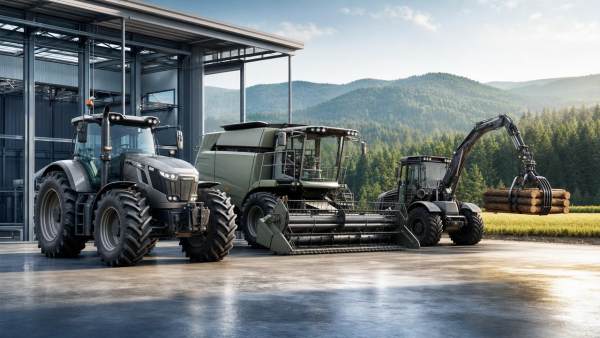
Choosing among Agri & Forestry machinery manufacturers demands a structured review of capability, compliance, service depth, and lifecycle economics. A low upfront quote may hide costly downtime, weak parts coverage, or inconsistent quality across export markets.
In agricultural and forestry operations, machinery performance directly affects yield timing, labor efficiency, fuel use, and safety outcomes. That makes supplier comparison a strategic exercise rather than a simple sourcing task.
This guide explains how to compare Agri & Forestry machinery manufacturers using practical criteria. It covers technical fit, factory strength, certifications, support systems, risk indicators, and evaluation methods that improve decision quality.
Core definition and comparison scope
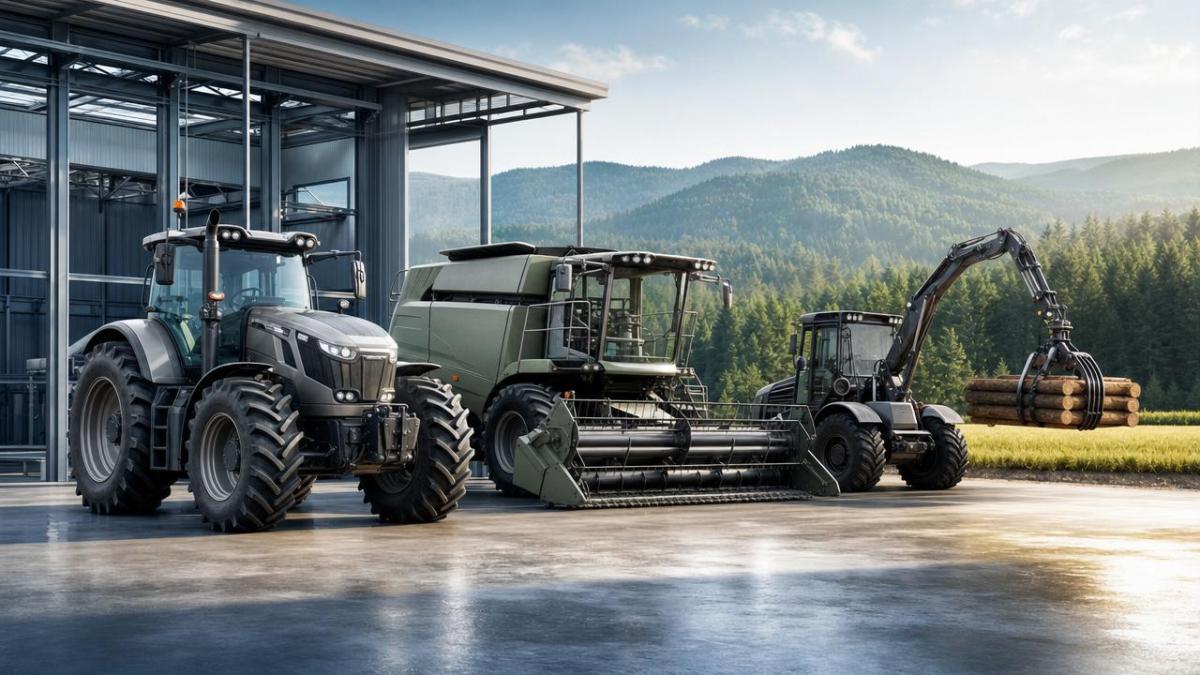
The term Agri & Forestry machinery manufacturers includes producers of tractors, harvesters, sprayers, tillage systems, balers, log loaders, chippers, mulchers, trailers, and site preparation equipment.
Comparison should not stop at machine specifications. It should also include production discipline, component sourcing, emissions conformity, field reliability, software support, operator training, and service response capability.
A complete review usually covers five layers:
- Product performance and engineering suitability
- Manufacturing capacity and quality systems
- Regulatory compliance and export readiness
- After-sales service and spare parts availability
- Total cost of ownership and risk exposure
This framework helps compare global suppliers on measurable factors. It also reduces bias created by brand familiarity, sales claims, or promotional demonstrations.
Industry context and current decision signals
The market for Agri & Forestry machinery manufacturers is changing quickly. Buyers increasingly evaluate resilience, digital diagnostics, fuel efficiency, and compliance with environmental and safety requirements.
Supply chains have also become more complex. A finished machine may depend on imported hydraulics, engines, bearings, electronic controls, and telematics modules from multiple regions.
In this environment, the best Agri & Forestry machinery manufacturers are usually those with visible process controls, stable component networks, and documented field performance across similar operating conditions.
Key criteria for comparing manufacturers
Technical fit and equipment range
Start with application fit. Machines must match terrain, crop type, timber conditions, climate, operator skill, and expected annual operating hours.
Check engine power, hydraulic flow, lift capacity, PTO output, working width, attachment compatibility, and fuel consumption. In forestry, review guarding, frame strength, traction, and cabin protection.
Production capability and quality control
Reliable Agri & Forestry machinery manufacturers can explain their fabrication flow, welding standards, inspection checkpoints, and traceability methods for critical parts.
Useful indicators include in-house machining, robotic welding consistency, paint line control, assembly testing, and documented nonconformance handling. Factory audits often reveal more than brochures.
Compliance and certification readiness
Certification needs vary by destination market. Common checkpoints include CE marking, ISO-aligned systems, emissions compliance, safety labeling, and operator manual completeness.
If machinery uses pressure systems, electronics, or specialized forestry safety structures, request test reports and conformity files. Missing documents can delay customs clearance or insurance approval.
Service network and spare parts depth
Downtime often costs more than purchase price differences. Compare response times, technician coverage, training resources, diagnostic tools, and emergency parts dispatch procedures.
Strong Agri & Forestry machinery manufacturers maintain parts lists by serial number, stock fast-moving items regionally, and provide clear lead times for engines, hydraulic pumps, seals, and control units.
Commercial terms and lifecycle cost
Compare warranty scope, exclusions, payment structure, installation support, training, software licensing, and recommended preventive maintenance intervals.
A lower machine price may be offset by higher fuel burn, shorter wear-part life, expensive freight, or limited resale value. Lifecycle cost analysis provides a more accurate comparison base.
Business value of a structured manufacturer assessment
A disciplined comparison process creates operational and financial benefits. It helps align machinery selection with productivity targets, maintenance resources, and compliance expectations.
- Reduces risk of premature failure during critical harvest or logging windows
- Improves forecasting for spare parts, labor, and maintenance budgets
- Supports safer operation through better training and support materials
- Strengthens audit trails for compliance and insurance documentation
- Increases confidence in cross-border sourcing decisions
For capital-intensive fleets, consistent evaluation also improves portfolio planning. It becomes easier to standardize attachments, share technician knowledge, and consolidate parts inventory across sites.
Typical manufacturer categories and use cases
Not all Agri & Forestry machinery manufacturers serve the same market position. Category differences affect product depth, customization options, and support expectations.
Understanding category fit prevents unrealistic expectations. A niche supplier may outperform a global brand in one application, while offering less support breadth in another.
Practical evaluation methods and warning signs
Recommended evaluation steps
- Define the operating profile and annual duty cycle.
- Create a weighted scorecard for technical, service, and compliance factors.
- Request drawings, specifications, certificates, and parts commitments.
- Audit the factory or conduct a verified third-party inspection.
- Check installed references in similar climates and workloads.
- Compare landed cost and five-year operating cost.
- Review warranty mechanics and dispute resolution terms.
Common warning signs
- Inconsistent specification sheets across sales documents
- No evidence of testing under real field loads
- Unclear source for engines, transmissions, or hydraulic systems
- Limited serial traceability for critical assemblies
- Vague parts lead times during seasonal peaks
- Warranty language that excludes major operating conditions
When comparing Agri & Forestry machinery manufacturers, these warning signs often indicate hidden support gaps or immature production systems that may surface only after delivery.
Next-step framework for confident selection
The most effective way to compare Agri & Forestry machinery manufacturers is to combine technical review, field evidence, and lifecycle cost modeling in one documented process.
Begin with a shortlist based on application fit and compliance readiness. Then validate factory discipline, service infrastructure, and reference performance before final commercial negotiation.
For more dependable outcomes, build an internal checklist covering specifications, certifications, parts support, training, and warranty obligations. A clear comparison matrix turns complex supplier choices into defensible decisions.
In a market shaped by uptime pressure and regulatory scrutiny, careful evaluation of Agri & Forestry machinery manufacturers remains essential for stable operations and long-term asset value.
Related Intelligence
- Forestry EquipmentChoosing Compact Forestry Machinery for Small Woodlots and Narrow AccessChoose compact forestry machinery that fits small woodlots and narrow access. Compare payload, turning clearance, safety, and running costs to find the right machine for your site.
- Forestry EquipmentAre PTO driven wood chipper vibration levels within ISO 5349-1 hand-arm exposure limits for forestry crews?PTO driven wood chipper vibration often exceeds ISO 5349-1 limits—discover real-world data, actionable mitigation strategies, and how to protect forestry crews now.
- Forestry EquipmentSelecting Timber Processing Equipment for Middle East Heat, Dust, and Wood SpeciesTimber processing equipment for Middle East operations: discover how to select heat-resistant, dust-protected, species-matched systems for reliable output and lower downtime.
The Morning Broadsheet
Daily chemical briefings, market shifts, and peer-reviewed summaries delivered to your terminal.
