

The Authority in Global Agricultural Chemistry & Bio-Resources
Poultry Cage Dimensions Explained: How to Size Cages for Layers, Broilers, and Chicks
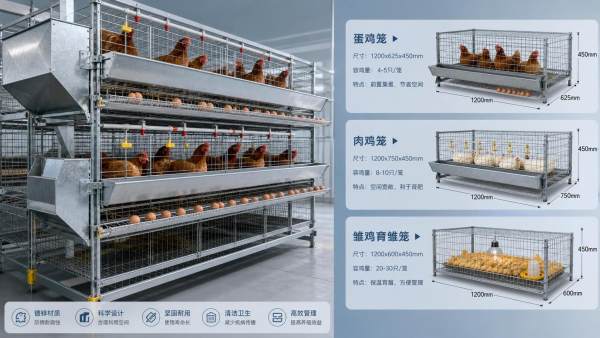
Poultry cage dimensions shape far more than floor layout. They influence bird comfort, feed use, manure control, injury risk, and the daily rhythm of watering, inspection, and cleaning. For layer farms, broiler units, and chick-rearing spaces, sizing decisions sit at the intersection of animal welfare, mechanical efficiency, and operating cost.
That is why poultry housing remains a practical topic across primary industries. In the same way that AgriChem Chronicle tracks technical standards in machinery, feed processing, and regulated supply chains, cage design also demands measurable choices rather than guesswork. Good poultry cage dimensions support predictable production. Poor ones usually show up quickly in broken eggs, wet litter, stress, and uneven growth.
What poultry cage dimensions really mean on a working farm
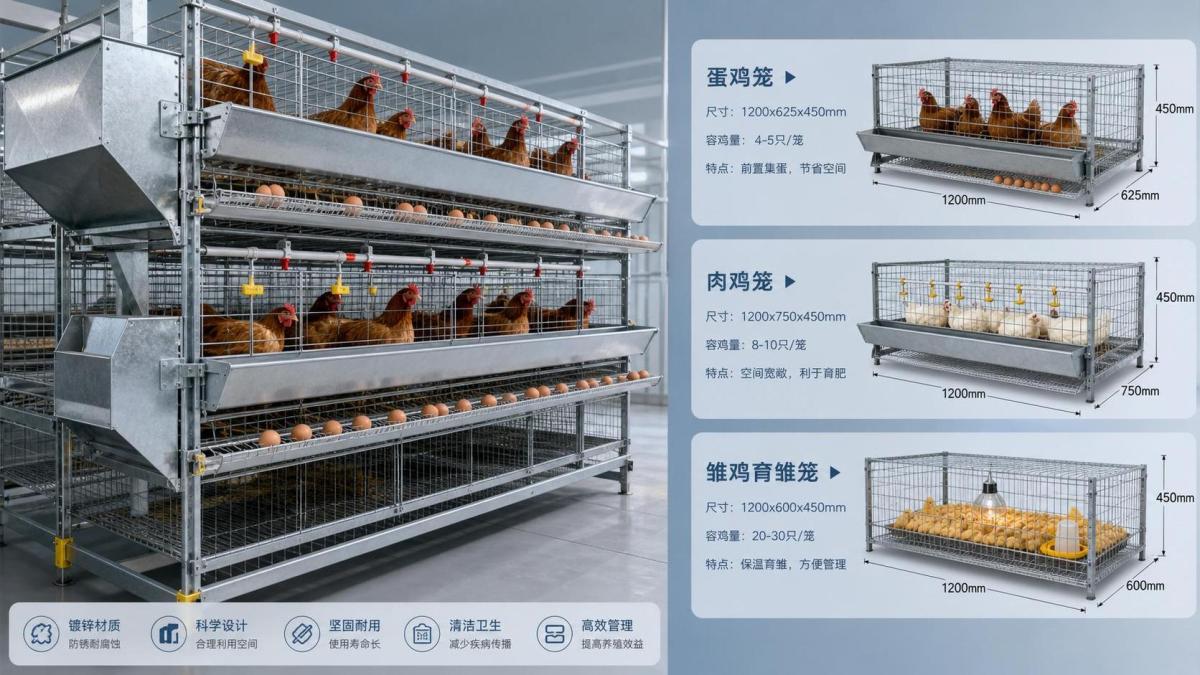
In simple terms, poultry cage dimensions describe the usable length, depth, height, and bird capacity of each cage compartment. Those numbers are never isolated. They must match bird size, movement needs, feeder access, drinker reach, and the system used for waste removal and egg collection.
A cage that looks large enough on paper may still perform badly. Depth may be excessive for easy feed access. Height may be too low for comfort. Floor slope may be unsuitable for egg roll-out. The key is not only cage size, but how the dimensions work together.
Across commercial setups, poultry cage dimensions are usually evaluated through space per bird. That makes comparisons easier between different frame designs, materials, and tier arrangements.
Why sizing has become a bigger operational issue
Housing density is under closer review than before. Welfare expectations, ventilation planning, labor efficiency, and disease control all depend on how tightly birds are housed. Even where rules differ by market, operators increasingly need housing that can stand up to inspection and performance review.
Feed costs also make cage planning more important. When birds compete for feeder space, weaker birds lose intake. That affects weight gain in broilers and egg consistency in layers. At scale, small mistakes in poultry cage dimensions can turn into measurable production losses.
There is also an equipment angle. Modern farms rely on synchronized drinker lines, manure belts, climate systems, and automated collection. Cage size must align with these components. A dimension that saves steel upfront may complicate every routine task later.
How dimensions differ for layers, broilers, and chicks
Not all poultry housing aims for the same result. Layers need stable laying conditions and clean egg handling. Broilers need enough space for body growth and lower breast or leg stress. Chicks need warmth, easy access to feed, and protection during early development.
This is why one standard cage size rarely fits every production stage. Poultry cage dimensions should be adjusted to bird age, target weight, and housing duration.
Layer cages
For layers, usable area per bird matters more than outside frame size. Birds need enough room to reach feed without constant pushing. Height should allow natural standing posture, while floor construction should support claw health and smooth egg roll.
If cage depth is too great, birds at the rear may eat less. If frontage is too narrow, competition increases. In practice, balanced feeder access often matters as much as total square centimeters.
Broiler cages
Broilers gain weight quickly, so dimensions must reflect final body size, not only starting density. A cage that seems acceptable in week one may become restrictive near market age. That raises heat load and can worsen leg issues.
Broiler poultry cage dimensions should also support airflow. Dense birds in shallow-ventilated cages are harder to keep dry and cool, especially in hot climates or multi-tier houses.
Chick cages
Chicks need a different balance. Oversized space can spread heat unevenly. Poorly scaled drinkers can reduce early water intake. Mesh openings must prevent leg injury while still allowing hygiene.
Early-stage poultry cage dimensions should favor close access to essentials rather than maximum density. The first days often determine later flock uniformity.
Key measurements that deserve closer attention
When comparing systems, several measurements carry more weight than a simple cage length and width listing. Looking at them together gives a more realistic view of performance.
- Floor area per bird determines stocking pressure and comfort.
- Cage height affects posture, inspection access, and heat buildup.
- Feeder frontage influences uniform intake across the group.
- Drinker placement affects reach, spillage, and litter moisture.
- Mesh spacing changes foot health, manure drop-through, and safety.
- Compartment depth affects how easily birds access feed and water.
These details explain why identical bird counts can perform differently in two houses. Poultry cage dimensions are not only about capacity. They shape how evenly birds use the resources inside the cage.
Common sizing mistakes and their practical cost
One frequent error is copying a standard design without checking bird strain, climate, or harvest schedule. Heavy broilers need more room than lighter lines. Layer systems planned for longer production cycles may need more durable and forgiving layouts.
Another issue is treating cage capacity as a sales figure rather than a working limit. Maximum bird numbers may not reflect comfortable operation during peak heat, vaccination, or uneven flock growth.
There is also the temptation to reduce aisle or cage dimensions to increase house count. That may improve theoretical output, yet maintenance becomes slower, manure removal becomes less reliable, and bird monitoring gets harder.
In many cases, the real cost appears indirectly:
- higher feed waste from crowding at the trough;
- more cracked or dirty eggs;
- slower flock checks and treatment access;
- worse air quality in dense tiers;
- greater difficulty meeting welfare expectations.
A practical way to evaluate cage size before installation
A useful review starts with the production target. Egg volume, broiler finish weight, rearing duration, and climate profile all affect suitable poultry cage dimensions. The next step is to test those dimensions against routine work, not only against supplier drawings.
Questions worth checking include:
- Will every bird reach feed and water without excessive competition?
- Does the cage height suit the bird at its heaviest stage?
- Can workers inspect, clean, and remove birds without strain?
- Do the dimensions match ventilation and manure handling systems?
- Will the setup remain workable during hot periods or uneven growth?
This kind of review fits the broader industrial logic ACC often highlights: technical decisions work best when design, compliance, and operating reality are assessed together.
Where to focus next
The best poultry cage dimensions are rarely the largest or the cheapest. They are the dimensions that keep birds stable, systems manageable, and output consistent over time. That balance matters whether the goal is egg quality, broiler performance, or reliable chick development.
A sensible next step is to map current bird numbers, target weight or laying period, feeder and drinker layout, and local welfare expectations. From there, compare cage options by usable space per bird and by how well each design supports routine farm work.
When poultry cage dimensions are treated as a production tool rather than a fixed catalog number, housing decisions become easier to justify, easier to manage, and more likely to hold their value over a full operating cycle.
Related Intelligence
- Poultry Housing & CagingWhen a Lower Layer Cage Price Can Increase Long-Term Farm Operating CostsLayer cages price is more than an upfront quote. Discover how cheaper systems can raise labor, repair, egg-loss, and automation costs over time.
- Poultry Housing & CagingHow Poultry Equipment Layout Affects Cleaning, Biosecurity, and MaintenancePoultry equipment and their uses shape cleaning access, biosecurity, and maintenance. Discover layout strategies that reduce risks and improve farm efficiency.
- Poultry Housing & CagingMaintenance Challenges and Design Features That Extend Service Life of Automated Poultry Cage Systemsautomated poultry cages face corrosion, jamming & fatigue—discover design features that cut maintenance costs and extend service life by years.
The Morning Broadsheet
Daily chemical briefings, market shifts, and peer-reviewed summaries delivered to your terminal.
