

The Authority in Global Agricultural Chemistry & Bio-Resources
Revised Maritime Code Effective May 1, 2026: Shipper Bears First Liability for Unclaimed Cargo
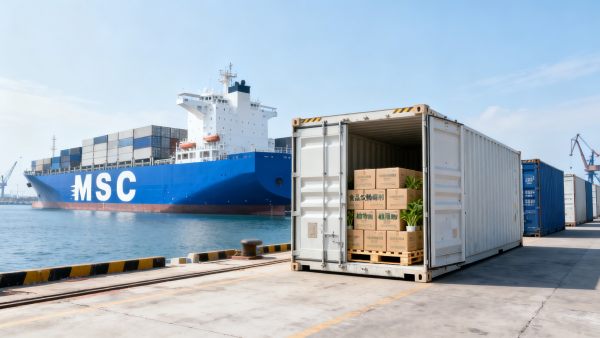
Effective May 1, 2026, the newly revised Maritime Code of the People’s Republic of China introduces a material shift in liability allocation for unclaimed cargo at discharge ports—placing primary responsibility on shippers rather than consignees. This change directly affects exporters and importers handling time-sensitive, compliance-critical commodities—including agrochemicals, botanical extracts, and food-grade enzymes—particularly under FOB and CFR trade terms. Stakeholders across global supply chains must reassess contractual risk allocation, letter of credit conditions, and demurrage cost-sharing mechanisms.
Event Overview
The revised Maritime Code of the People’s Republic of China, effective May 1, 2026, amends Article 93 to assign first liability for unclaimed cargo at the port of discharge to the shipper. This replaces the prior framework, under which the consignee bore primary responsibility. The amendment is publicly confirmed and entered into force as scheduled; no further implementing regulations or transitional provisions have been published at the time of this report.
Industries and Roles Affected
Direct Trading Enterprises (FOB/CFR Exporters)
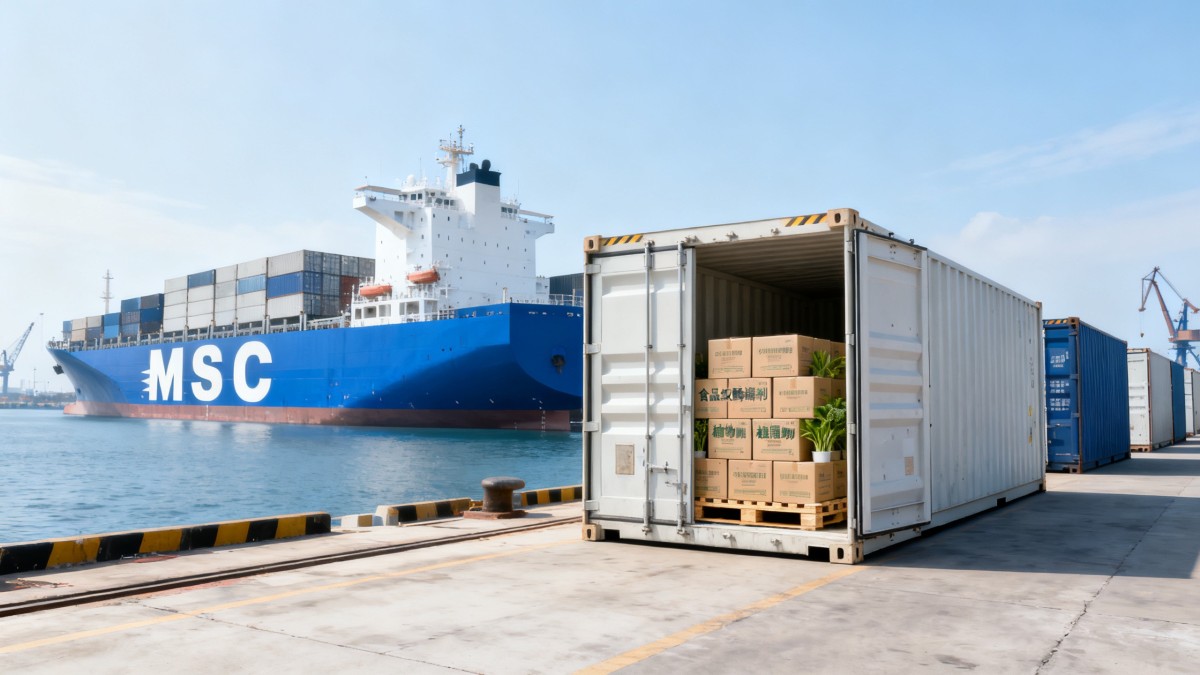
These entities now bear statutory first liability for cargo left uncollected at destination ports—even when contractual delivery obligations end at loading port (e.g., FOB) or port of discharge (e.g., CFR). Impact manifests in heightened exposure to demurrage, storage, customs clearance delays, and potential cargo abandonment costs, especially where overseas buyers fail to arrange timely import documentation or physical pickup.
Raw Material Procurement Enterprises (Import-Facing Buyers)
Buyers sourcing agrochemicals, botanical extracts, or food-grade enzymes from Chinese suppliers may face unexpected cost reallocation if their contracts do not explicitly address post-discharge responsibilities. Under the revised Code, failure by the buyer to take delivery does not automatically relieve the Chinese exporter (shipper) of liability—making upstream procurement agreements more consequential for downstream risk containment.
Supply Chain Service Providers (Freight Forwarders, NVOCCs, Customs Agents)
Service providers acting as contractual shippers—or named as such in bills of lading—may inherit statutory liability even when operating on behalf of principals. This increases due diligence requirements around shipper identification, contract alignment with the new Article 93, and clarity in service-level agreements regarding cargo handover and documentation timelines at destination.
Key Focus Areas and Recommended Actions
Review and revise standard export contracts and bill-of-lading clauses
Parties should explicitly allocate unclaimed-cargo risk in writing—e.g., via indemnity clauses, defined delivery windows, or consignee performance guarantees—rather than relying solely on Incoterms® rules. Contractual language must now anticipate that legal liability under Chinese law falls first on the shipper, irrespective of trade term usage.
Assess letter of credit (L/C) terms for consistency with new liability structure
Importers and their banks should verify whether L/C requirements (e.g., submission deadlines for import permits, proof of pickup, or customs release documents) align with realistic timelines—and whether failure to meet them could trigger shipper liability under the revised Code. Exporters should confirm L/C conditions do not inadvertently increase their exposure beyond commercial intent.
Update internal risk assessment protocols for high-compliance, time-sensitive cargoes
Agrochemicals, botanical extracts, and food-grade enzymes often require pre-arrival regulatory approvals, temperature-controlled handling, or short shelf-life management. Shippers should implement pre-departure verification of consignee readiness—including confirmation of import licenses, warehouse availability, and local agent engagement—to mitigate exposure under the new ‘first liability’ regime.
Engage destination agents early to formalize handover procedures
Where shippers appoint overseas agents for cargo release, written mandates should specify timelines, required documentation, escalation paths for non-response, and cost recovery mechanisms. Relying on informal coordination or implied consignee action is no longer sufficient under the statutory framework.
Editorial Perspective / Industry Observation
Observably, this amendment signals a structural recalibration—not merely procedural refinement—in how China assigns maritime commercial risk. It reflects growing emphasis on shipper accountability for end-to-end cargo stewardship, particularly for regulated and perishable goods. Analysis shows the change is less about penalizing non-performance and more about incentivizing proactive coordination between origin and destination parties. However, it remains unclear whether courts will interpret ‘first liability’ as strict liability or allow reasonable defenses (e.g., documented consignee refusal or force majeure at destination). Therefore, the provision functions currently as both a legal obligation and a policy signal—requiring ongoing monitoring of judicial interpretation and administrative guidance.
Conclusion
This revision marks a meaningful shift in risk architecture for China-related maritime trade—especially for exporters and importers engaged in tightly regulated, time-bound commodity flows. It does not eliminate consignee obligations but reorders liability sequencing under Chinese law. Currently, it is more accurate to understand the amendment as an enforceable statutory baseline that necessitates deliberate contractual supplementation—not as a standalone operational directive nor as a temporary regulatory experiment.
Source Attribution
Main source: Official promulgation notice of the revised Maritime Code of the People’s Republic of China, effective May 1, 2026. No supplementary implementation rules or judicial interpretations have been issued as of publication. Continued observation is warranted for official clarifications, court rulings, or industry-specific circulars related to Article 93 application.
Related Intelligence
- AgrochemicalsWhat Are the Main Risks of Non-Transparent Agricultural Supply Chains?what are the main risks of non transparent agri supply chains? Explore traceability, compliance, contamination, disruption, and cost risks—plus practical controls.
- AgrochemicalsGrain Production: Key Practices for Improving Yield While Protecting Soil HealthGrain production strategies to improve yield, protect soil health, manage nutrients, reduce compaction, and build resilient fields for lasting results.
- AgrochemicalsHow Do New FDA Rules Affect Agri-Chemical Sourcing Strategies?How do new FDA rules impact agri chemical sourcing strategies? Explore practical supplier screening, traceability, contaminant control, and risk-based compliance steps.
The Morning Broadsheet
Daily chemical briefings, market shifts, and peer-reviewed summaries delivered to your terminal.
