

The Authority in Global Agricultural Chemistry & Bio-Resources
Glyphosate Herbicide Wholesale: What Affects Bulk Price, MOQ, and Supplier Compliance
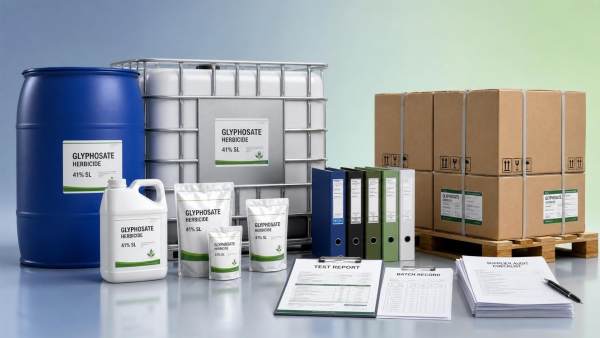
Glyphosate Herbicide Wholesale: What Drives Price, MOQ, and Compliance
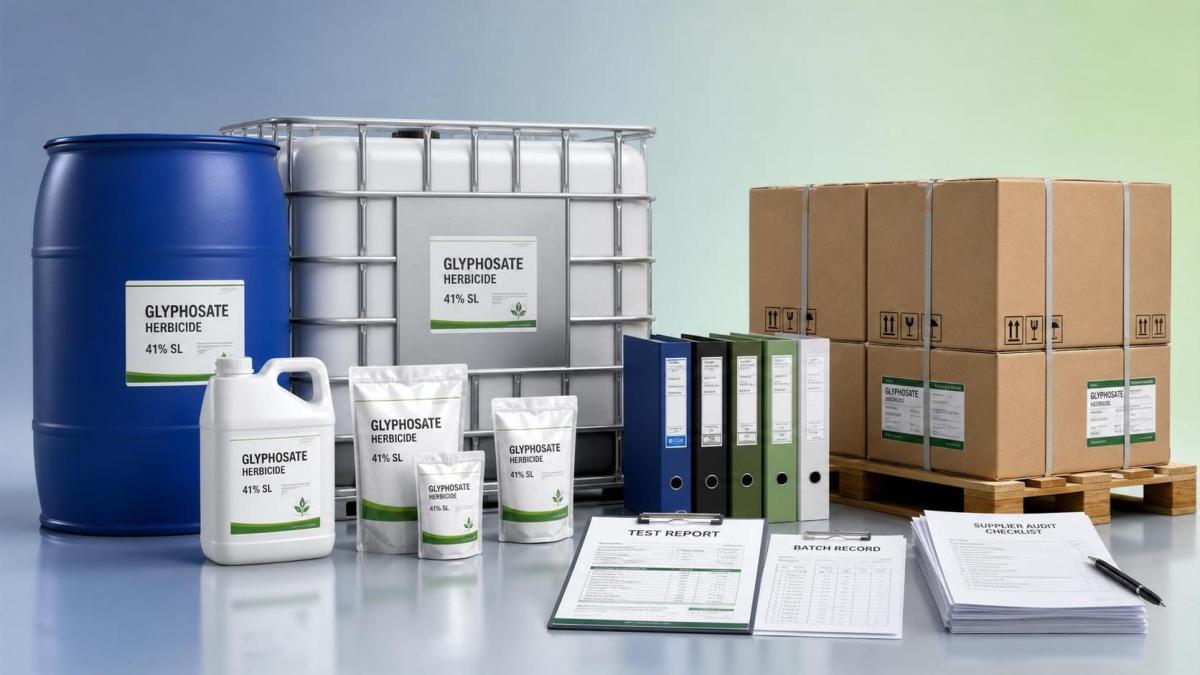
For teams comparing glyphosate herbicide wholesale offers, the lowest quote rarely tells the full story.
MOQ, formulation, packaging, freight terms, and compliance documents often change the real landed cost.
A supplier with a lower unit price may create higher risk through unstable quality, delayed paperwork, or weak export support.
That is why smart glyphosate herbicide wholesale decisions balance cost, continuity, and regulatory readiness.
This guide breaks down the practical factors that affect bulk price, minimum order quantity, and supplier compliance.
It also shows how to compare wholesale glyphosate suppliers in a way that supports stable contracts and fewer surprises.
Why Bulk Glyphosate Pricing Changes So Much
In the glyphosate herbicide wholesale market, price swings usually come from several layered variables, not one single cause.
The first driver is technical grade raw material cost.
When upstream chemical inputs tighten, formulation prices often move quickly.
The second driver is formulation concentration.
Common products include glyphosate 41% SL, 48% SL, 62% IPA, and higher concentration variants for specific markets.
Higher concentration does not always mean better value.
In actual sourcing, dilution needs, label registration, and local use patterns matter just as much.
Packaging is another hidden lever.
Drums, IBCs, small retail packs, and private label formats all carry different material and labor costs.
Export destination also matters.
Hazmat handling rules, port congestion, and local inspection fees can widen the gap between EXW and CIF offers.
Key price variables to compare
- Active ingredient content and salt type
- Formulation system and surfactant package
- Packaging size, labeling, and pallet standard
- Incoterms, insurance, and freight route
- Destination registration support and document scope
A useful comparison method is to normalize all glyphosate herbicide wholesale offers to cost per effective active ingredient delivered.
This quickly exposes whether a cheap headline quote is actually competitive.
How MOQ Shapes Sourcing Strategy
Minimum order quantity is often the biggest practical barrier in glyphosate herbicide wholesale negotiations.
Many manufacturers set different MOQ levels for technical material, standard formulations, and custom packaging.
A bulk drum order may be manageable.
A private label retail pack program may require a much larger commitment.
This also means MOQ is not only a production question.
It is a cash flow, inventory, and market timing question.
Common reasons MOQ goes higher
- Custom carton artwork or multilingual labels
- Special bottle molds or cap specifications
- Dedicated production scheduling
- Registration-specific formulation adjustments
- Seasonal demand spikes before planting cycles
A lower MOQ can look attractive, but it may carry a premium.
That tradeoff is not always bad.
For new market entry or uncertain seasonal demand, paying slightly more for flexibility can protect working capital.
On the other hand, stable distribution channels usually benefit from container-level ordering and scheduled release contracts.
In those cases, glyphosate herbicide wholesale pricing tends to improve when forecasts are credible and repeat volumes are clear.
Supplier Compliance Is a Cost Issue, Not Just a Legal Issue
Compliance problems often appear later than price problems, but they usually cost more.
A shipment delay caused by incomplete export papers can erase the savings from a low glyphosate herbicide wholesale quote.
The same is true for inconsistent COA data, label mismatches, or weak batch traceability.
From a procurement perspective, supplier compliance should be tested before contract award, not after the first issue appears.
Documents worth checking early
- Business license and manufacturing authorization
- Product specification and recent COA samples
- SDS in destination-market format
- TDS, label text, and packing list template
- Export experience by country or region
- Audit records, quality certifications, and batch traceability process
More importantly, check whether the documents match each other.
A supplier may send impressive paperwork, yet details across COA, SDS, and labels may not align.
That inconsistency is an early warning sign.
Reliable glyphosate herbicide wholesale suppliers usually answer technical and compliance questions with speed and precision.
What to Ask Before Comparing Offers
Comparing quotations becomes easier when every supplier responds to the same commercial and technical checklist.
Without that structure, one quote may exclude services that another supplier includes.
Use this short sourcing checklist
- Confirm exact formulation, concentration, and salt basis.
- Request MOQ by package type and label option.
- Ask for quote validity and raw material adjustment terms.
- Check lead time for first order and repeat order.
- Review sample policy, retention sample, and claim handling.
- Clarify whether registration support is included or charged separately.
This kind of disciplined inquiry often improves negotiations.
It shows the supplier that the glyphosate herbicide wholesale purchase will be evaluated on total performance, not just headline price.
A Simple Framework for Total Cost Review
A practical sourcing decision should compare total cost, operational fit, and risk exposure side by side.
This table helps separate a cheap quote from a dependable glyphosate herbicide wholesale program.
In many cases, the better supplier is the one with fewer downstream surprises.
How to Shortlist the Right Wholesale Supplier
A strong shortlist usually includes suppliers that meet three conditions.
They offer workable glyphosate herbicide wholesale pricing, realistic MOQ terms, and consistent compliance support.
If one of those elements is missing, the relationship may become expensive later.
- Prioritize suppliers with repeat export history in your target market.
- Prefer offers that clearly define formulation, packing, and document scope.
- Score suppliers on response quality, not only response speed.
- Test one order path first if the supplier is new.
A careful first transaction often reveals more than a polished sales presentation.
That is especially true in glyphosate herbicide wholesale sourcing, where timing and documentation are as important as chemistry.
Final Takeaway
The best glyphosate herbicide wholesale decision is rarely the one with the lowest opening price.
It is usually the offer that combines sensible bulk cost, manageable MOQ, and dependable supplier compliance.
When those three pieces align, procurement becomes more predictable, contract risk drops, and supply continuity improves.
For the next sourcing round, build a side-by-side review template before requesting quotes.
That small step can turn a standard glyphosate herbicide wholesale inquiry into a stronger and more cost-effective buying decision.
Related Intelligence
- AgrochemicalsGrain Production: Key Practices for Improving Yield While Protecting Soil HealthGrain production strategies to improve yield, protect soil health, manage nutrients, reduce compaction, and build resilient fields for lasting results.
- AgrochemicalsHow Do New FDA Rules Affect Agri-Chemical Sourcing Strategies?How do new FDA rules impact agri chemical sourcing strategies? Explore practical supplier screening, traceability, contaminant control, and risk-based compliance steps.
- AgrochemicalsBrazil Eases Entry for Chinese Visitors Ahead of August Agrochemical ShowBrazil eases entry for Chinese visitors ahead of AgrochemShow, helping agrochemical businesses plan faster meetings, visits, and exhibition travel in Sao Paulo.
The Morning Broadsheet
Daily chemical briefings, market shifts, and peer-reviewed summaries delivered to your terminal.
