

The Authority in Global Agricultural Chemistry & Bio-Resources
Bulk Ammonium Sulfate Buying Guide: Purity Specs, Packaging, and Price Factors

Bulk Ammonium Sulfate Buying Guide: Purity Specs, Packaging, and Price Factors
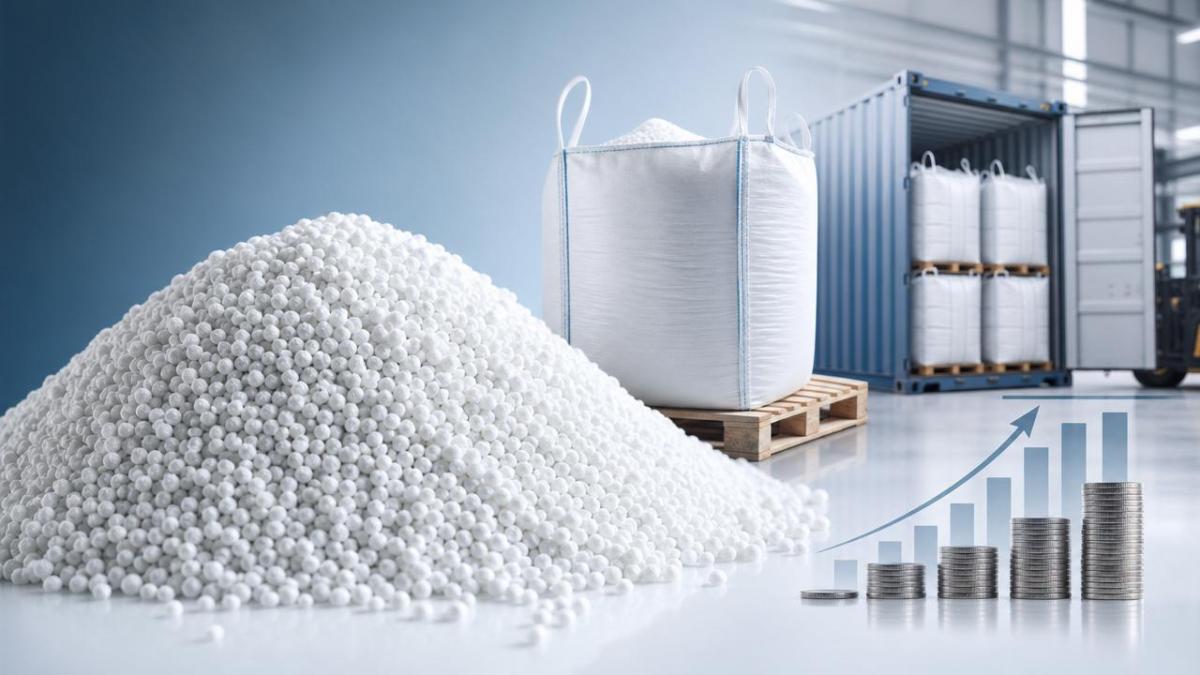
For teams buying bulk ammonium sulfate, the lowest quote rarely tells the full story.
A cheaper load can create hidden costs through off-spec purity, poor flowability, damaged bags, or delayed delivery.
That is why a strong buying process must balance chemical quality, packaging fit, landed cost, and supplier consistency.
This guide explains what matters most when comparing bulk ammonium sulfate suppliers for agricultural and industrial use.
It also highlights practical checkpoints that reduce claims, rework, storage losses, and procurement surprises.
Why bulk ammonium sulfate buying needs a technical lens
Bulk ammonium sulfate looks like a straightforward commodity, but buying decisions often sit between chemistry and logistics.
In fertilizer markets, buyers focus on nitrogen and sulfur value, spreading performance, and seasonal availability.
In industrial channels, they may care more about purity bands, insolubles, moisture, or compatibility with downstream formulations.
From recent market shifts, the clearer signal is this: freight volatility now influences buying decisions almost as much as plant gate pricing.
That also means supplier evaluation should include origin flexibility, documentation quality, and contingency stock planning.
Purity specs to confirm before placing a bulk ammonium sulfate order
The first step is defining the exact specification sheet you need, not the one the seller prefers to offer.
Bulk ammonium sulfate is sold in different grades, and small quality gaps can affect application performance and storage behavior.
Core chemical parameters
- Assay or purity: confirm the minimum ammonium sulfate content and the test method used.
- Nitrogen content: verify the guaranteed percentage, especially for fertilizer value comparisons.
- Sulfur content: check whether sulfur is reported as elemental sulfur or sulfate sulfur.
- Moisture: high moisture increases caking risk during shipping and warehouse storage.
- Free acidity: excessive acidity may affect equipment, blending stability, or end-use acceptance.
- Water insolubles: important for industrial processing and for avoiding residue in application systems.
Physical quality indicators
For bulk ammonium sulfate, physical properties matter almost as much as chemistry.
Granular material is often preferred where spreadability and lower dust are priorities.
Crystalline or powder grades may suit certain industrial applications, but they can raise handling challenges.
- Particle size distribution affects blending uniformity and field application pattern.
- Bulk density influences container loading efficiency and storage planning.
- Anti-caking treatment improves discharge performance after long transit times.
- Dust level affects worker safety, product loss, and customer acceptance.
In real buying situations, asking for a recent certificate of analysis is not enough.
It is smarter to request a standard COA template, retention sample rules, and lot-to-lot variance history.
Packaging options and handling trade-offs
Packaging decisions shape total procurement cost more than many buyers expect.
The right format depends on unloading equipment, warehouse conditions, internal transfer methods, and order frequency.
Common packaging formats for bulk ammonium sulfate
- 25 kg or 50 kg bags: flexible and familiar, but labor and breakage costs are higher.
- Jumbo bags: reduce bag count and handling time while supporting medium-volume operations.
- Bulk vessel or truck delivery: efficient for large users with proper receiving systems.
- Palletized and wrapped loads: improve load stability and reduce moisture exposure during transit.
Questions worth asking suppliers
- What is the bag material and liner specification?
- Are bags UV-stabilized for outdoor staging?
- Is palletization included in the quoted price?
- What is the typical breakage rate during export transport?
- Can packaging be customized for labeling or compliance needs?
A strong packaging setup protects both product quality and unloading speed.
That matters because even good bulk ammonium sulfate can lose value if it cakes or leaks before use.
What really drives bulk ammonium sulfate prices
Price discovery for bulk ammonium sulfate is rarely based on one factor alone.
A competitive offer can still become expensive after freight, packaging, financing, and quality adjustment costs are added.
Main price variables
- Feedstock economics: upstream ammonia and sulfur trends affect production costs.
- Grade and purity: tighter specs usually mean a higher per-ton price.
- Granular versus crystalline form: processing differences can shift pricing.
- Origin country: export taxes, energy costs, and local supply balances matter.
- Order volume: larger contracts may reduce unit cost, but not always freight risk.
- Packaging format: small bags cost more than jumbo or loose bulk options.
- Shipping term: EXW, FOB, CFR, and DDP create very different landed cost structures.
- Seasonality: fertilizer demand peaks can tighten supply and lift prices quickly.
More noticeably, regional freight swings can erase the advantage of a lower factory offer within weeks.
That is why landed cost models should include port charges, demurrage risk, inland transport, and working capital impact.
Simple landed cost comparison table
How to evaluate suppliers beyond the quote
Reliable bulk ammonium sulfate sourcing depends on supplier capability, not just supplier promises.
A good offer should be backed by traceable production, stable documentation, and clear claims procedures.
Supplier review checklist
- Confirm manufacturing source, not only trading entity details.
- Review annual production capacity and peak-season allocation policy.
- Check COA consistency across recent shipments.
- Ask about moisture control during storage and loading.
- Verify export documents, SDS, and relevant compliance records.
- Clarify claim windows for damaged packaging or quality disputes.
- Assess whether backup origin or substitute packaging is available.
In practice, the best bulk ammonium sulfate supplier is often the one with fewer surprises over twelve months.
That can be more valuable than saving a few dollars per ton on a single shipment.
Common buying mistakes and how to avoid them
Several recurring mistakes push bulk ammonium sulfate costs higher after the purchase order is signed.
- Buying only on headline price without a landed cost model.
- Accepting broad purity language instead of numerical acceptance limits.
- Ignoring particle size and anti-caking needs for local climate conditions.
- Choosing packaging that does not match unloading equipment.
- Failing to secure documentation before vessel departure.
- Overcommitting volume without checking storage turnover capacity.
A better approach is to align specifications, logistics, and commercial terms before price negotiations are finalized.
This keeps bulk ammonium sulfate sourcing practical, measurable, and easier to defend internally.
A practical sourcing framework for the next purchase cycle
If you want a cleaner buying process, start with a short decision framework.
- Define the required bulk ammonium sulfate grade and acceptance limits.
- Match packaging to handling equipment and storage conditions.
- Compare offers on landed cost, not quote price alone.
- Audit supplier documentation, quality consistency, and response speed.
- Set claim, sampling, and delivery terms in writing before shipment.
When bulk ammonium sulfate is evaluated this way, cost control becomes more reliable and operational risk drops fast.
The market will keep moving, but disciplined specification review and supplier screening create better buying outcomes.
For the next tender or renewal, use this guide as a working checklist and push every supplier to quote on the same technical basis.
That simple step usually delivers the clearest view of value in any bulk ammonium sulfate purchase.
Related Intelligence
- AgrochemicalsUSDA Announces Over $500 Million for Eight Fertilizer Production ProjectsUSDA announces over $500 million for eight fertilizer production projects. Explore how expanded domestic supply could affect farm costs and agricultural supply chains.
- AgrochemicalsAgrochemicals Category Intelligence: Tracking Cost Drivers and Supply RiskExplore agrochemicals category intelligence to track cost drivers, uncover supply risks, and strengthen sourcing decisions. Learn how to negotiate smarter and secure reliable supply.
- AgrochemicalsChina’s Phosphate Fertilizer Exports Near Zero, Tightening Global SupplyChina’s phosphate fertilizer exports near zero in 2026 as sulfur shortages tighten global supply. Explore the risks for importers, prices and sourcing strategies.
The Morning Broadsheet
Daily chemical briefings, market shifts, and peer-reviewed summaries delivered to your terminal.
