

The Authority in Global Agricultural Chemistry & Bio-Resources
What raises the cost of biochemical processing equipment?
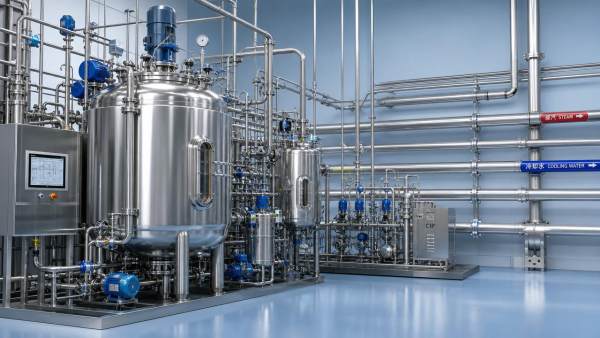
For financial approvers, the price of biochemical processing equipment is rarely defined by the purchase order alone. Capital cost can rise quickly when capacity requirements, GMP or FDA compliance, automation, corrosion-resistant materials, validation documentation, utilities, and long-term maintenance are factored in. Understanding these cost drivers before procurement helps finance teams separate essential technical investment from avoidable specification creep, while ensuring the equipment supports safe, scalable, and compliant biochemical production.
In agricultural biochemistry, fine chemicals, APIs, bio-extracts, aquaculture inputs, and feed processing, equipment cost is linked to risk control. A lower quoted price may become expensive if the system fails qualification, requires redesign, or cannot handle the next 3 years of production demand.
Capacity, Process Complexity, and Scale-Up Assumptions
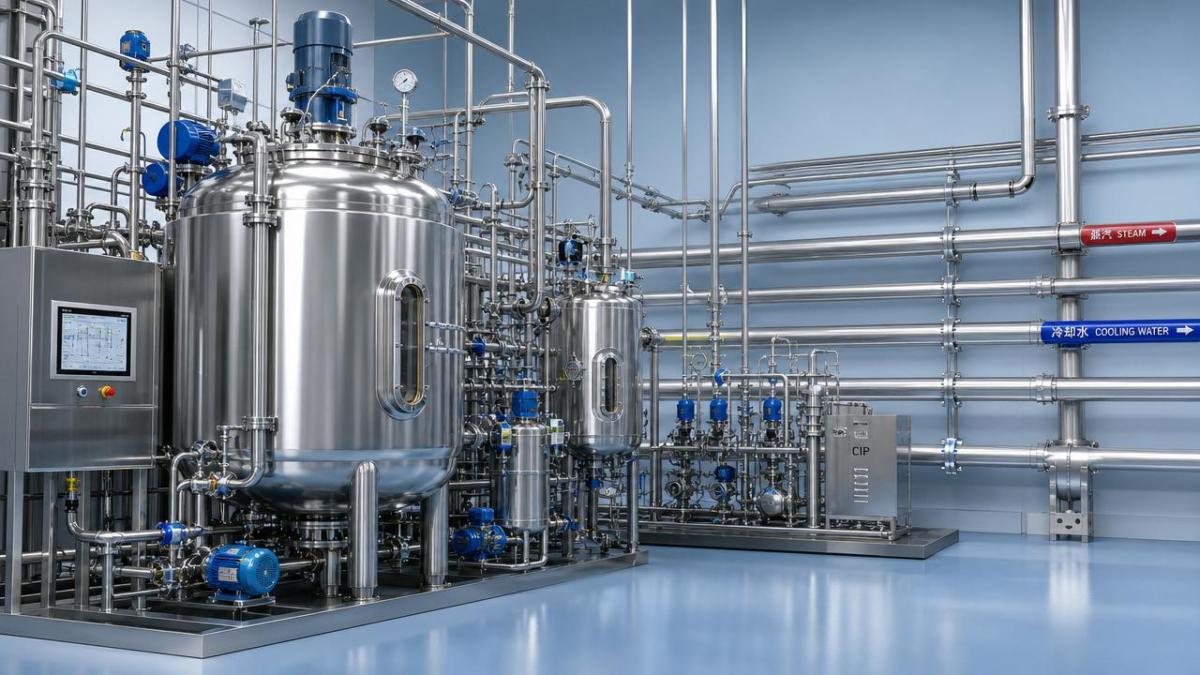
The first major cost driver is capacity. A 50 L pilot fermenter, a 2,000 L extraction line, and a 10,000 L industrial reactor may all be described as biochemical processing equipment, yet their engineering burden differs sharply.
Finance teams should examine whether the requested capacity reflects validated demand, production contingency, or speculative expansion. Oversizing by 30% may be justified for seasonal agricultural inputs, but excessive buffer capacity can lock cash into underused assets.
Batch Size and Throughput Requirements
Biochemical processes often depend on residence time, mixing quality, temperature stability, and sterile transfer. Increasing batch size from 500 L to 5,000 L is not a simple tenfold enlargement; it may require stronger agitation, larger heat exchangers, and advanced clean-in-place systems.
For fermentation, extraction, enzymatic reaction, or crystallization, one additional production step can add 1–3 dedicated vessels, multiple pumps, and extra instrumentation points. Each addition raises fabrication, installation, validation, and maintenance cost.
Process Sensitivity and Yield Protection
Processes involving APIs, bioactive extracts, probiotics, enzymes, or specialty feed additives often require tight control. Temperature ranges of 2°C–8°C, pH tolerance of ±0.1, or dissolved oxygen control can increase sensor density and control system complexity.
The financial question is not whether control is desirable, but whether the control level protects yield, batch safety, or regulatory acceptance. A specification that prevents a 5% yield loss may be economical; one added for convenience may not be.
Key Capacity Questions for Approval
- What is the validated annual production volume for the next 12–36 months?
- Does the system need 1-shift, 2-shift, or continuous operation?
- Are downstream bottlenecks, such as drying or filtration, included in the cost model?
- Can modular expansion delay part of the capital expenditure?
Compliance, Validation, and Documentation Costs
Regulatory compliance is one of the most underestimated reasons biochemical processing equipment becomes more expensive. GMP, FDA expectations, EPA obligations, and local environmental permits can add 10–25% to a project when documentation and qualification are properly included.
For financial approvers, compliance spending should be viewed as a risk-control investment. If equipment documentation is incomplete, a facility may face delayed commissioning, failed audits, rejected batches, or expensive retrofits after installation.
Where Compliance Adds Cost
The same stainless vessel can carry very different cost depending on weld documentation, surface finish, traceability records, software controls, and cleaning validation support. In regulated biochemical production, paperwork is not administrative decoration; it is part of the asset.
The following table helps finance teams distinguish mandatory compliance elements from optional enhancements when reviewing quotations for biochemical processing equipment.
The key conclusion is that the cheapest compliant path is usually the one designed correctly from the start. Retrofitting drain slopes, access ports, or electronic records after commissioning can cost more than specifying them during design.
Software Validation and Data Integrity
Modern biochemical processing equipment often includes PLC, SCADA, batch records, alarms, and historian databases. If the line supports pharmaceutical ingredients or regulated food additives, data integrity expectations can require role-based access and audit trails.
A manual system may appear less expensive, yet it can increase operator dependency and deviation risk. A validated automation layer may cost more upfront, but it can reduce repeated manual checks across hundreds of batches per year.
Materials, Utilities, and Site Integration
Material selection can sharply raise the price of biochemical processing equipment. Stainless steel grade, seal material, surface finish, pressure rating, and corrosion allowance all influence fabrication cost and service life.
In agricultural extracts, fermentation broths, saline aquaculture inputs, solvent-based purification, and acid-base neutralization, the wrong material can trigger pitting, leaching, contamination, or unexpected downtime within 6–18 months.
Material Choices That Affect Budget
304 stainless steel may be suitable for many non-corrosive processes, while 316L is often selected for chloride exposure, higher hygiene expectations, or pharmaceutical contact surfaces. Hastelloy, duplex alloys, or lined vessels can multiply cost for aggressive media.
Finance reviewers should ask process engineers to connect each premium material choice to a specific hazard, such as solvent exposure, cleanability, pressure, temperature, or batch contamination risk.
Utilities and Hidden Installation Loads
A quotation may exclude steam, chilled water, compressed air, purified water, nitrogen, vacuum, or effluent pretreatment. These utilities can add 15–40% to installed project cost, especially in older plants.
The following comparison shows common technical decisions that change lifecycle economics for biochemical processing equipment, not only initial purchase price.
This comparison supports a practical approval principle: reduce cost where risk is low, but fund the specifications that prevent corrosion, contamination, regulatory failure, or chronic utility instability.
Site Readiness Checklist
- Confirm floor loading, drainage, ceiling height, and maintenance access before purchase approval.
- Verify utility capacity at peak load, not only average operating demand.
- Assess cleanroom, hygienic zoning, or containment requirements for product contact areas.
- Include installation, commissioning, calibration, and operator training in the capital request.
- Reserve contingency for site modifications, typically reviewed in a 5–10% planning range.
Vendor Scope, Procurement Terms, and Lifecycle Cost
Two vendors may quote similar biochemical processing equipment but include very different scope. One proposal may cover only major hardware, while another includes piping, instrumentation, documentation, testing, spare parts, and start-up support.
Financial approvers should compare total delivered value, not just the equipment line item. A lower quotation can become more expensive if engineering gaps are transferred to the buyer after the purchase order is signed.
Scope Gaps That Raise Final Cost
Common exclusions include field wiring, control panel validation, FAT travel, spare seal kits, special packaging, documentation translation, and utility tie-ins. Each omission may appear small but can disrupt project timing.
For international procurement, shipping terms, customs documentation, export controls, and inspection hold points also matter. A 6-week fabrication delay can affect raw material commitments, production campaigns, and customer delivery schedules.
Recommended Commercial Review Points
- Request a scope matrix listing equipment, instruments, piping, controls, documents, services, and exclusions.
- Tie payment milestones to drawings, FAT, documentation delivery, shipment, and site acceptance.
- Confirm warranty terms, response time, recommended spare parts, and remote support availability.
- Require change-order pricing rules before design freeze to control specification creep.
Maintenance and Operating Expense
Lifecycle cost often exceeds the purchase price over 5–10 years. Pumps, valves, membranes, filters, seals, calibration, software support, and cleaning chemicals should be included in the financial model.
A system requiring weekly manual cleaning, monthly seal replacement, or frequent calibration may consume more labor than expected. By contrast, well-designed biochemical processing equipment can reduce downtime through accessible components and standardized parts.
How Finance Teams Can Approve the Right Specification
The best approval process brings finance, engineering, quality, EHS, procurement, and operations into the same decision framework. Each group sees different risks, and cost increases are easier to judge when linked to a measurable operational requirement.
For complex biochemical processing equipment, a structured review can prevent both underbuying and overengineering. A practical 4-stage process works well for many primary processing and fine chemical projects.
A 4-Stage Approval Framework
- Define the business case, including demand forecast, product value, expected utilization, and payback assumptions.
- Validate the technical basis, including batch size, process parameters, compliance category, and site readiness.
- Compare vendor scope on an equal basis, including documentation, testing, spare parts, and installation support.
- Approve lifecycle budget, including utilities, maintenance, calibration, training, and change-control reserves.
Common Mistakes to Avoid
One mistake is approving equipment before the process is stable. If formulation, solvent system, organism strain, or extraction method changes after design freeze, rework can affect tanks, seals, controls, and cleaning strategy.
Another mistake is treating validation documents as optional. For regulated biochemical processing equipment, missing documents can delay production release for weeks and create avoidable audit exposure.
A third mistake is comparing only purchase price. A proposal that includes FAT, commissioning, operator training, and a 2-year critical spare recommendation may deliver better value than a cheaper hardware-only quote.
Approval Questions Before Signing
- Which cost items are required for safety, compliance, or yield protection?
- Which features are optional conveniences or future expansion assumptions?
- What happens financially if commissioning is delayed by 30, 60, or 90 days?
- Does the supplier provide enough documentation for internal quality and external audits?
- Can the system be maintained locally, or does it depend on specialized overseas support?
Final Guidance for Capital Decisions
The cost of biochemical processing equipment rises when capacity, compliance, automation, materials, utilities, documentation, and service scope are not evaluated together. Each factor can be justified, but each should be tied to measurable production or risk-control value.
For financial approvers, the strongest procurement decisions separate essential technical investment from avoidable specification creep. A disciplined review protects cash, supports compliant production, and reduces the chance of costly redesign.
AgriChem Chronicle supports decision makers with technical analysis, procurement intelligence, and market context across fine chemicals, APIs, bio-extracts, feed processing, aquaculture systems, and primary industry equipment. To benchmark specifications or evaluate supplier claims, consult product details, request expert input, or get a customized procurement framework for your next project.
Related Intelligence
- APIs & IntermediatesProcurement Planning: Which Resource Reports Help Prevent Material Shortages?Discover how procurement planning resource reports reveal usable stock, shortage dates, and supplier risks so you can prevent material shortages and keep production on track.
- APIs & IntermediatesBuyer-Focused Vendor Screening: How Procurement Teams Verify Supplier Fit and RiskBuyer-focused vendor screening helps procurement teams verify supplier fit, compliance, quality, and supply-chain resilience—reduce risk and make smarter sourcing decisions.
- APIs & IntermediatesHow API Sourcing Intelligence Reduces Supplier Risk and Protects Supply ContinuityChemical sourcing intelligence for APIs helps reduce supplier risk, validate capacity and GMP controls, and protect supply continuity. Explore practical sourcing insights.
The Morning Broadsheet
Daily chemical briefings, market shifts, and peer-reviewed summaries delivered to your terminal.
