

The Authority in Global Agricultural Chemistry & Bio-Resources
Do Agricultural Processing Operations Require Specific Environmental Permits?
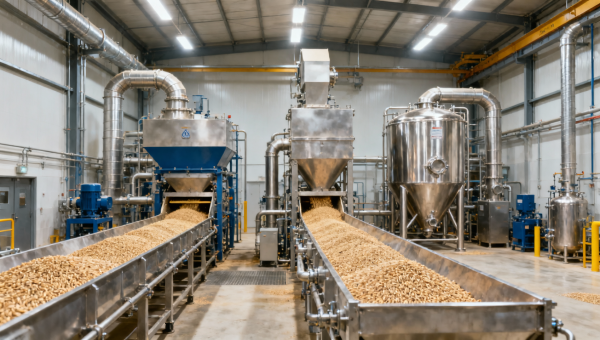
A grain mill adds a new dryer, a feed plant begins handling a higher volume of dusty ingredients, or an extraction line starts using solvents to recover botanical compounds. The operational change may look minor from a production perspective, but it can alter air emissions, wastewater characteristics, waste classifications, storage risks, and reporting obligations. Delays discovered after equipment is installed can interrupt commissioning, trigger corrective work, or expose the operator to enforcement action.
So, does agricultural processing require specific environmental permits? Often, yes. The exact permits depend on what the facility processes, where it operates, its throughput, the equipment used, and whether it releases pollutants to air, water, land, or a public sewer. A small, dry handling operation may need only local approvals and basic waste controls, while a facility that discharges process water, operates boilers, uses extraction solvents, stores chemicals, or generates hazardous residues may require multiple environmental authorizations before operating.
The first distinction: farming activity versus processing activity
Primary agricultural production and industrial processing are not always regulated in the same way. Growing crops, raising livestock, or harvesting fish may fall under agricultural rules that differ from those applied to facilities that clean, dry, mill, ferment, extract, render, package, or chemically treat raw materials. Once a site uses fixed processing equipment, concentrates wastes, changes the form of a material, or creates a discharge stream, regulators may view it as a processing, manufacturing, or industrial operation.
This distinction matters because permits usually follow the environmental impact of an activity rather than the label “agricultural.” A grain elevator can create particulate emissions. A vegetable cannery can produce high-strength wastewater. A fish-processing line may generate wastewater containing organic matter, fats, oils, and cleaning chemicals. A bio-extract facility may create solvent vapors, spent biomass, or chemical waste. Each pathway can bring a different permitting authority into the picture.
Start with the facility’s environmental pathways
The most reliable way to identify likely permit needs is to map what enters and leaves the site. Rather than asking only whether a business needs “an environmental permit,” break the operation into physical pathways: emissions to air, releases to water, waste sent off-site, stormwater runoff, chemical storage, and land disturbance. One facility can have obligations in several categories at once.
The table is a screening tool, not a substitute for the local rules that apply to a particular site. Permit names, thresholds, exemptions, and responsible agencies vary across countries and, in many places, across states, provinces, regions, or municipalities.
Air permits: not only for chemical plants
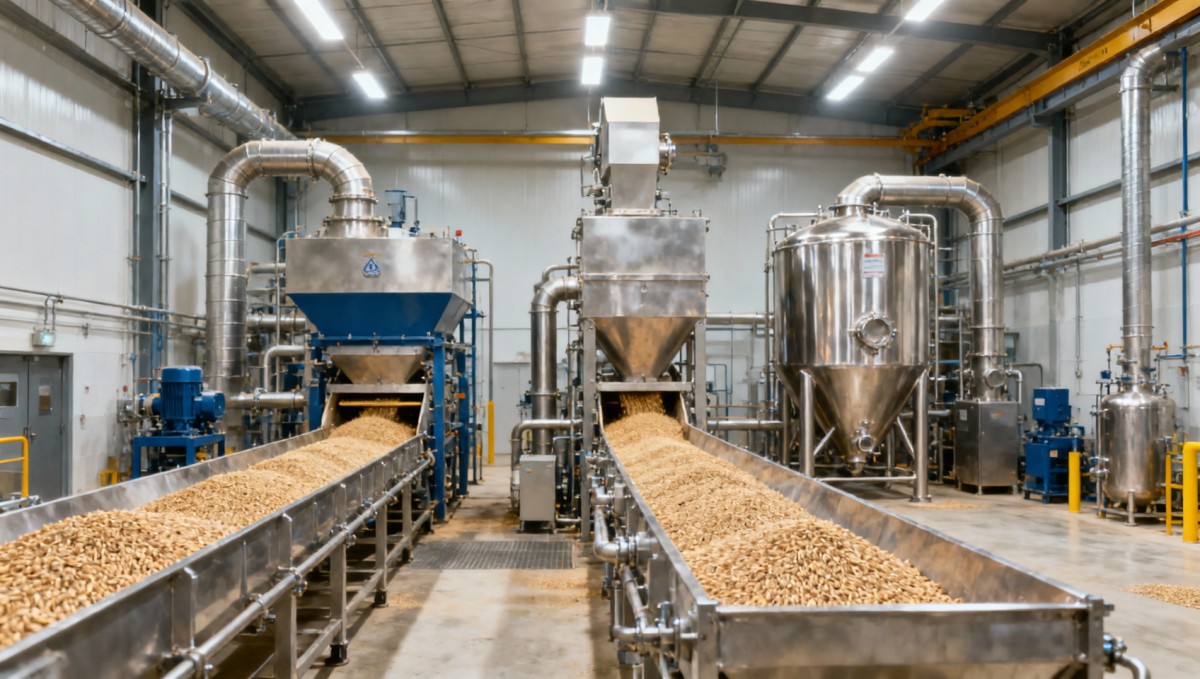
Air permitting is frequently overlooked at agricultural processing sites because dust and combustion equipment are often treated as routine parts of production. Yet grain drying, grinding, pneumatic conveying, bagging, feed mixing, seed treatment, wood processing, roasting, boilers, and standby engines can all create regulated emissions. The question is not simply whether an operator can see dust or smell an exhaust stream. Authorities may regulate the source based on equipment capacity, fuel type, annual operating hours, pollutant type, control equipment, or combined emissions from the whole site.
A facility should identify every stationary emission source, including dust collectors, cyclones, vents, dryers, process heaters, boilers, emergency generators, and solvent-handling equipment. It should also document installed controls such as baghouses, filters, scrubbers, or vapor capture systems. A permit may impose conditions on operating hours, fuel, maintenance, monitoring, recordkeeping, or visible-emission limits. Replacing a dryer or increasing throughput can require a review even if the plant already has an air authorization.
Solvent-based extraction deserves particular attention. Alcohols, hydrocarbons, and other volatile materials may raise air-emission, fire-code, worker-safety, and waste-management issues simultaneously. Environmental approval alone does not make an installation compliant with building, fire, occupational safety, or zoning requirements.
Water discharge approvals depend on where the water goes
Wastewater is often the most consequential permit issue for wet processing. The regulatory route changes according to the final destination of the water. A direct release to a river, lake, coastal area, or other surface water is generally subject to a formal discharge authorization and specified effluent limits. Sending wastewater to a municipal treatment plant may instead require an industrial user or sewer discharge permit, particularly where the flow contains high organic loads, suspended solids, fats, oils, salts, nutrients, cleaning agents, or unusual pH.
Discharging to land, using lagoons, reusing water for irrigation, or operating onsite treatment can also require approvals. The fact that water comes from washing crops or processing food does not automatically make it suitable for disposal without controls. Organic wastewater can deplete oxygen in receiving water; nutrient-rich streams can contribute to water-quality problems; disinfectants and process chemicals can interfere with public treatment systems.
Before selecting treatment equipment, obtain representative information about flow volume, seasonal variation, temperature, pH, suspended solids, organic strength, oils and grease, nutrients, and chemicals used during cleaning or production. A design based only on average production can fail when harvest-period volumes spike or sanitation cycles create concentrated batches.
Do sanitary wastewater and process wastewater receive the same treatment?
Usually not. Wastewater from restrooms and ordinary employee facilities is commonly handled through a sanitary sewer or onsite sanitation system. Water that contacts raw materials, products, processing residues, washdown solids, blood, fish residues, fermentation media, or cleaning chemicals is process wastewater. Mixing the two streams without understanding the consequences can complicate treatment, sampling, and permit compliance. Separating cleaner stormwater and sanitary flows from process effluent is often operationally useful and may reduce the volume requiring industrial treatment.
Stormwater becomes a permit issue when operations are exposed outdoors
A processor may have no pipe leading to a waterway and still face stormwater obligations. Rainfall can carry grain dust, feed ingredients, fertilizer residues, oils, sediment, packaging debris, or chemical spills from loading yards, outdoor storage, truck routes, maintenance areas, and waste containers. Industrial stormwater programs commonly focus on whether rain contacts exposed materials or operational areas before leaving the property.
Practical controls often begin with housekeeping rather than major infrastructure: keep waste containers closed, clean loading areas promptly, store materials under cover where feasible, inspect drainage paths, maintain spill kits, and prevent washwater from entering storm drains. Where a permit or pollution-prevention plan is required, inspection records and corrective-action documentation matter as much as the physical controls. A clean yard on one inspection day is not the same as a maintained compliance system.
Waste classification is a decision point, not an administrative afterthought
Agricultural processors generate many materials that appear benign: husks, screenings, spent grain, shells, sludge, rejected product, used filter media, washwater solids, and packaging. Some can be reused, composted, sold as feed, or managed as non-hazardous solid waste. Others may become regulated waste because of contamination, chemical treatment, solvent content, toxicity characteristics, or local disposal rules.
The classification should follow the material’s composition and intended management route, not its commercial value alone. Spent biomass from a water-based process may be handled very differently from biomass exposed to an extraction solvent. Used oil, laboratory reagents, pesticide containers, spent activated carbon, contaminated absorbents, and certain cleaning chemicals require especially careful review. Improperly mixing hazardous material with general waste can increase disposal cost and create a compliance problem that was avoidable at the point of segregation.
Keep current safety data, waste descriptions, analytical results where needed, manifests or transfer documents, and contracts with authorized transporters or disposal facilities. Records should show what left the site, when it left, in what quantity or container type, and under whose custody. This is important for internal control even where a formal hazardous-waste permitting regime does not apply.
Chemical storage can trigger separate obligations
Processing sites may store acids, caustics, sanitizers, ammonia-based refrigerants, fuels, pesticides, solvents, water-treatment chemicals, and laboratory materials. Environmental requirements can include secondary containment, tank integrity, labeling, spill response procedures, inventory reporting, and notification of significant releases. Local fire and building authorities may set additional requirements for storage rooms, ventilation, separation distances, electrical classification, and maximum quantities.
Do not assume that a vendor’s safety sheet answers the permit question. It helps identify hazards, but the site must still assess how much material is stored, where it is stored, what could reach a drain or soil, and whether the material is transferred, mixed, heated, or used in a way that creates emissions or waste. A chemical inventory should be updated whenever formulation, storage volume, or production chemistry changes.
A practical review before construction or expansion
Environmental permits are easier to obtain before equipment is ordered, foundations are poured, or a new process is promised to customers. The review should begin early enough to influence plant layout, utility connections, drainage design, control equipment, and commissioning dates.
- Describe the process in plain operational terms. List raw materials, production steps, cleaning methods, fuels, additives, utilities, and expected operating schedule.
- Create an inputs-and-outputs map. Identify every vent, stack, drain, floor washdown point, outdoor storage area, waste stream, tank, and loading zone.
- Compare present and proposed capacity. Permit thresholds may be based on capacity, emissions potential, water flow, storage quantity, or disturbed land area rather than actual first-year production.
- Check existing permits and site conditions. Review expiration dates, operating limits, monitoring duties, reporting commitments, zoning conditions, sewer agreements, and previous inspection findings.
- Confirm the correct regulator before submitting. Environmental, water, air-quality, municipal sewer, planning, fire, and building authorities may each have a role.
- Build permit conditions into operating procedures. Assign responsibility for sampling, inspections, maintenance, records, incident response, and renewal dates before startup.
This sequence also helps procurement teams evaluate equipment proposals. A lower-cost dryer, boiler, extraction system, or wastewater unit may create higher compliance costs if it lacks suitable emission controls, uses a more restrictive fuel, increases wastewater loading, or requires a larger chemical inventory. Environmental fit should be evaluated alongside throughput, energy use, product quality, maintenance, and spare-parts availability.
Changes that should prompt a fresh permit review
Existing approvals are not permanent permission to alter an operation freely. Review permit status before increasing production volume, adding shifts, changing raw materials, installing a new dryer or boiler, changing fuel, introducing solvents, modifying wastewater treatment, relocating discharge points, adding outdoor storage, or expanding the property footprint. Even a change intended to improve efficiency can change the regulated emissions profile or waste stream.
Another warning sign is a mismatch between paperwork and practice. Examples include records that list equipment no longer in service, an unapproved generator added during a power-reliability project, washwater routed to a drain not covered by the original design, or a dust collector operating beyond the capacity described in an older permit. These gaps are easier to correct through a planned review than during an inspection or after a complaint.
Questions operators often ask
Is a permit required if the facility only processes agricultural products?
Possibly. The agricultural origin of the product does not decide the issue. Dust, combustion, wastewater, stormwater exposure, chemical use, waste generation, and construction impacts are the factors that normally determine whether specific approvals apply.
Can a facility discharge process water to the municipal sewer without an environmental permit?
Not automatically. The local sewer authority may require an industrial discharge authorization, limits on certain pollutants, sampling access, pretreatment equipment, or a separate agreement. Approval should be obtained before directing process wastewater to the sewer.
Are small operations exempt?
Some jurisdictions provide exemptions, registrations, or simplified requirements for small sources, but size alone is not a dependable assumption. A relatively small operation using solvents, handling high-strength wastewater, or storing significant quantities of chemicals can still have substantial obligations.
What records should be kept after permits are in place?
Keep the permit itself, applications and correspondence, equipment specifications, monitoring results, inspection logs, maintenance records, waste transfer documents, chemical inventories, employee training records where required, and documentation of spills or corrective actions. Retention periods vary, so the permit conditions should control the recordkeeping schedule.
The safest operational approach is to treat permitting as part of process design, not a final administrative step. Identify the environmental pathways before committing to capacity, equipment, drainage, and chemical choices; then verify the applicable requirements with the authorities responsible for the site. That approach protects project schedules while making day-to-day compliance more manageable once production begins.
Related Intelligence
- Milling MachineryChanging Hammer Mill Screens: Particle Size Control and DowntimeIs it easy to change the screen or adjust the output size of the hammer mill? Discover practical tips for smoother screen changes, consistent particle size, and less downtime.
- Milling MachineryHow Should Milling Machinery Be Maintained to Extend Its Service Life?Learn how to maintain processing machinery to extend service life with practical milling maintenance tips on cleaning, lubrication, and wear checks to reduce downtime.
- Milling MachineryWhat Is the Difference Between Primary and Secondary Grain Processing?What is the difference between primary and secondary grain processing? Compare key operations, equipment needs, and quality risks to choose the right investment for your business.
The Morning Broadsheet
Daily chemical briefings, market shifts, and peer-reviewed summaries delivered to your terminal.
