

The Authority in Global Agricultural Chemistry & Bio-Resources
Is a fish meal processing plant worth the investment?

Is a fish meal processing plant worth the investment? The answer depends on scenario fit, not headline demand alone.
Aquaculture expansion, circular processing, and protein shortages support the business case. Still, returns vary widely with feedstock access, plant scale, utility costs, and export compliance.
A fish meal processing plant can produce resilient cash flow when built around stable raw material streams and disciplined operating controls.
It can also underperform when investors underestimate odor control, wastewater treatment, maintenance downtime, or commodity price swings.
This article reviews where a fish meal processing plant makes strategic sense, which scenarios deserve caution, and how to judge long-term investment quality.
When a fish meal processing plant becomes strategically attractive
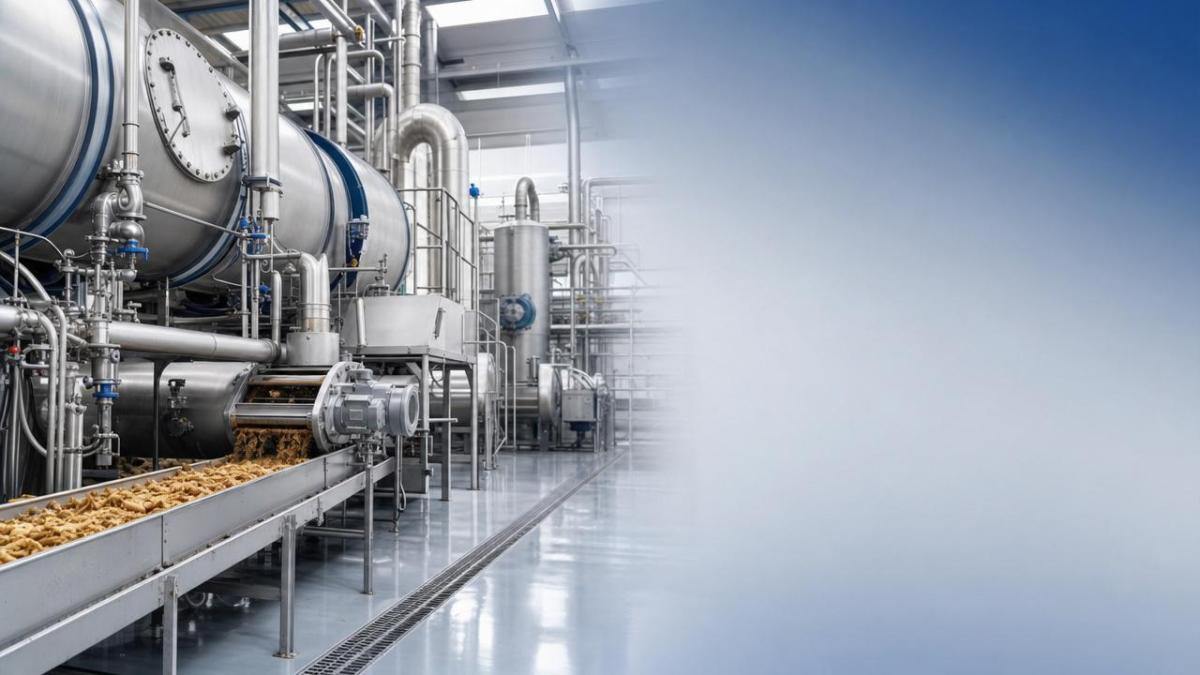
The strongest investment case appears where fish waste or low-value catch is consistently available near landing sites or processing hubs.
In these settings, a fish meal processing plant turns disposal cost into saleable protein and oil, improving total resource efficiency.
The model is especially attractive where landfill restrictions, marine by-product rules, or sustainability targets already pressure operators to valorize waste streams.
Another favorable setting is import-dependent feed markets. Domestic production can reduce exposure to freight disruptions and foreign exchange volatility.
A fish meal processing plant gains further relevance when local aquafeed, poultry feed, or pet food industries need traceable marine protein.
Core signals that improve investment quality
- Reliable year-round feedstock contracts or integrated supply
- Competitive energy pricing and steam recovery options
- Access to export-compliant quality systems
- Strong demand from feed formulators or ingredient blenders
- Viable wastewater, odor, and sludge treatment infrastructure
Scenario split: high-return cases versus high-risk cases
Not every fish meal processing plant follows the same economics. Investment outcomes improve when the project matches the raw material reality.
Scenario 1: Integrated seafood processing zones
This is often the clearest case. By-products already exist, logistics are short, and waste collection can be standardized.
Here, a fish meal processing plant benefits from lower inbound cost, better freshness, and more predictable moisture content.
Scenario 2: Fishing ports with seasonal landings
This case can work, but only with inventory strategy and flexible staffing. Utilization rates often drop outside peak catch periods.
A fish meal processing plant in this setting needs robust maintenance planning and conservative debt assumptions.
Scenario 3: Standalone plants relying on third-party supply
This is more fragile. Feedstock quality, transport time, and supplier loyalty can shift quickly during strong fish prices.
Without binding contracts, a fish meal processing plant may face idle capacity or margin compression.
Scenario 4: Sustainability-led circular economy projects
These projects appeal where environmental policy rewards resource recovery. Grants, tax incentives, or lower disposal burdens can improve returns.
Still, policy support should enhance the case, not replace commercial discipline.
How demand differences change the ideal fish meal processing plant model
A fish meal processing plant serving aquafeed operates differently from one targeting pet food ingredients or blended feed markets.
Product quality, contamination thresholds, drying precision, and traceability depth all affect capital design and operating cost.
What numbers matter most before approving a fish meal processing plant
Investors often focus first on sales price. That is necessary, but not sufficient.
A fish meal processing plant should be judged through five financial lenses: utilization, yield, energy intensity, compliance burden, and working capital speed.
1. Feedstock security
Ask how many months of the year raw material is available, in what volume, and with what species mix.
2. Conversion efficiency
Small changes in moisture reduction, oil separation, and drying control can reshape margin performance.
3. Utility consumption
A fish meal processing plant is energy intensive. Steam, electricity, and water costs deserve scenario testing under stressed pricing.
4. Environmental compliance
Odor abatement, wastewater treatment, emissions monitoring, and solid residue handling can significantly affect total project cost.
5. Sales mix resilience
Revenue improves when meal, oil, and secondary outputs each have practical market pathways.
Practical fit guidance for different investment scenarios
The right fish meal processing plant strategy varies by local conditions. A single design philosophy rarely fits every region.
- Choose integrated sourcing where by-products are concentrated and freshness can be preserved.
- Prefer modular expansion if feedstock growth is probable but not fully secured.
- Prioritize heat recovery when fuel prices are unstable or carbon rules are tightening.
- Design quality controls early if export channels or premium feed markets are expected.
- Build odor and effluent systems for realistic peak loads, not average assumptions.
In many cases, a medium-scale fish meal processing plant with strong logistics outperforms a larger plant burdened by weak supply chains.
Common judgment errors that weaken returns
Several recurring mistakes reduce project quality, even when market demand looks favorable.
Overestimating annual utilization
Seasonal supply, weather disruption, and maintenance shutdowns often lower actual throughput.
Ignoring raw material deterioration
Collection delays can cut meal quality and raise spoilage risk, hurting both yield and pricing.
Treating compliance as a minor line item
A fish meal processing plant can face local resistance if odor, discharge, and transport impacts are underestimated.
Assuming one end market is enough
If one buyer segment weakens, revenue concentration can quickly expose the project.
So, is a fish meal processing plant worth the investment?
A fish meal processing plant is worth the investment when three conditions align: secure feedstock, disciplined processing economics, and realistic compliance planning.
It is less attractive when the project depends on uncertain supply, optimistic utilization, or unsupported premium pricing.
The smartest next step is a location-specific feasibility review covering raw material mapping, utility modeling, environmental obligations, and buyer validation.
With that groundwork, a fish meal processing plant can shift from a speculative industrial idea to a credible, long-horizon value asset.
Related Intelligence
- Commercial Feed PelletHow to Build a Sanitary Feed Production Plan That Reduces Cross-ContaminationSanitary feed production planning: reduce cross-contamination with smarter sequencing, validated flushing, material segregation, and traceable sanitation controls.
- Commercial Feed PelletFeed Pellet Mill Sourcing: How to Vet Suppliers for Capacity, Quality, and SupportFeed pellet mill sourcing made smarter: vet suppliers for proven capacity, pellet quality, lifecycle cost, factory controls, commissioning, and reliable after-sales support.
- Commercial Feed PelletFeed Production System Price Trends: Cost Drivers and Budgeting for New LinesFeed production systems price trend insights: compare cost drivers, automation, utilities, compliance, and total ownership costs to budget smarter for new feed lines.
The Morning Broadsheet
Daily chemical briefings, market shifts, and peer-reviewed summaries delivered to your terminal.
