

The Authority in Global Agricultural Chemistry & Bio-Resources
How to Choose Cosmetic Grade Mica Powder for Makeup, Soap, and Skincare Products

Choosing cosmetic grade mica powder for makeup, soap, and skincare products starts with a simple truth: visual sparkle is not a quality standard. In regulated ingredient markets, appearance matters far less than purity, particle control, contaminant limits, and supply chain transparency. That is why cosmetic grade mica powder has become a closer inspection point across fine chemicals, personal care manufacturing, and raw material compliance review.
The issue is broader than color cosmetics alone. A mica grade that performs well in pressed powder may behave very differently in cold process soap or leave-on skin applications. At the same time, global sourcing pressure has made documentation, consistency, and traceability just as important as shine, texture, and dispersion. For sectors tracked closely by AgriChem Chronicle, this reflects a wider pattern: specialty ingredients are now judged by both formulation value and evidence quality.
What cosmetic grade mica powder really means
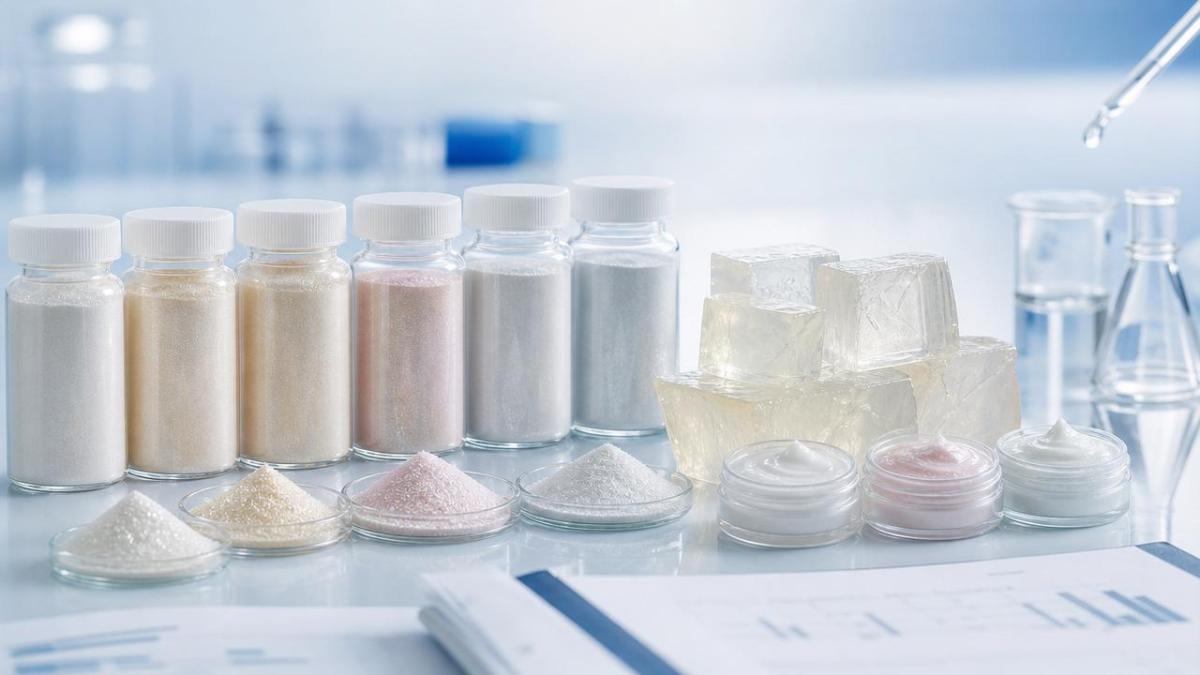
Cosmetic grade mica powder is a mineral-based effect pigment processed for personal care use. It is selected for luster, slip, opacity adjustment, and visual depth. In some products, it creates shimmer. In others, it improves feel and finish without obvious sparkle.
The term “cosmetic grade” should never be treated as a marketing shortcut. It should point to a defined quality profile. That profile usually includes controlled particle size, low microbiological risk, compliance with relevant color additive rules, and tested limits for heavy metals or other impurities.
In practical terms, cosmetic grade mica powder sits between performance material and compliance-sensitive input. It must look right in the formula, but it also must withstand review from technical documentation, supplier audits, and product safety files.
Why mica selection receives more scrutiny now
Personal care supply chains are under stronger pressure than before. Ingredient buyers now face tighter expectations around traceability, responsible sourcing, and cross-border compliance. For mineral-based ingredients, this means more questions about origin, refining, contamination control, and batch consistency.
There is also a formulation trend behind the scrutiny. Consumers often expect smoother textures, more refined finishes, and fewer unwanted residues. That raises the technical bar for cosmetic grade mica powder, especially in products designed for facial application or sensitive skin positioning.
From an industry intelligence perspective, this is familiar territory. AgriChem Chronicle regularly follows markets where raw material quality is shaped by regulation, analytical testing, and supplier credibility. Mica belongs to that same reality. It is no longer enough to source an attractive pigment. The supporting evidence must be equally strong.
Key properties that influence product performance
When reviewing cosmetic grade mica powder, technical performance and safety should be assessed together. A visually appealing sample can still create downstream issues if the physical properties are poorly matched to the application.
Particle size and texture
Finer particles usually create a softer feel and more even appearance. They are often preferred for facial powders, tinted skincare, and lightweight creams. Larger particles tend to produce more visible shimmer, which may suit decorative products but not understated finishes.
Particle size distribution also affects processability. A broad distribution can reduce consistency between batches. It may also complicate dispersion or create a gritty feel in finished goods.
Color stability and visual effect
Some cosmetic grade mica powder is natural in tone. Other grades are coated or blended for pearl, satin, or metallic effects. The selection should reflect the intended end use, not just a lab sample appearance.
Color consistency matters especially in multi-batch production. Even a small shift in undertone or reflectivity can change the perceived quality of pressed makeup, transparent soap bars, or illuminating skincare products.
Oil absorption and dispersibility
In makeup and emulsions, oil absorption affects feel, payoff, and processing behavior. Poorly dispersing mica can lead to streaking, agglomeration, or uneven visual distribution. In soap, the same issue may show up as speckling or unstable suspension.
Safety and compliance checks that should not be skipped
A reliable review process for cosmetic grade mica powder should go beyond a specification sheet headline. The most useful approach is to compare claims with supporting analytical and regulatory evidence.
Heavy metal data deserves special attention. Natural mineral ingredients can present variability by source. A passing result from one batch should not be mistaken for permanent assurance. Trend data across multiple lots is more informative than a single certificate.
It is also worth reviewing whether testing is performed by accredited laboratories and whether the method aligns with target market expectations. The same cosmetic grade mica powder may be acceptable in one region yet require additional documentation in another.
Different products require different mica profiles
Selection improves when the ingredient is matched to the formula environment rather than chosen from a generic approved list. Makeup, soap, and skincare each place different demands on cosmetic grade mica powder.
Makeup
Pressed powders, eye products, and highlighters often need precise particle size control, smooth skin feel, and consistent optical effect. Fallout, drag, or uneven reflectivity usually indicate a mismatch between pigment grade and product format.
Soap
In melt-and-pour soap, visual clarity and dispersion are common concerns. In cold process soap, alkaline conditions and processing heat can alter color appearance. A cosmetic grade mica powder that looks stable in dry form may shift after saponification.
Skincare
Leave-on skincare usually calls for more refined texture and subtle effect. Grittiness, visible sparkle overload, or poor compatibility with emulsion systems can quickly undermine premium positioning. In this category, elegance is often more important than brilliance.
How to evaluate supplier reliability
The best cosmetic grade mica powder on paper can still create risk if the supplier cannot maintain quality over time. That is why supplier assessment should sit alongside technical approval, not after it.
- Check whether batch-to-batch specifications are narrow enough for your product tolerance.
- Review certificate quality, not just certificate presence.
- Ask for recent heavy metal and microbiological data, not outdated files.
- Confirm change notification procedures for source, coating, or process modifications.
- Look for traceability systems that connect lot numbers to origin and processing history.
Responsible sourcing claims also deserve documentation. In mineral ingredient markets, ethical and environmental scrutiny can influence both commercial reputation and customer acceptance. A supplier that explains sourcing clearly usually performs better during audits and incident review.
A practical selection framework
A useful decision process for cosmetic grade mica powder combines formulation fit, analytical review, and supplier confidence. This approach reduces the chance of approving a material that passes one checkpoint but fails in actual production.
- Define the target finish, texture, and product format before screening samples.
- Compare particle size data with real application performance.
- Verify heavy metal, purity, and compliance documentation against market needs.
- Run stability or compatibility checks under realistic process conditions.
- Approve suppliers based on consistency evidence, not first-sample appeal.
This kind of structured review reflects a wider lesson seen across fine chemicals and primary industries. Raw materials should be selected as systems inputs, not isolated commodities. When the documentation, origin, and technical behavior align, cosmetic grade mica powder becomes easier to manage across product lines and regulatory reviews.
Where to focus next
If a current ingredient list includes mica across several product categories, the next useful step is not simply requesting more color cards. It is mapping each existing grade against application fit, contaminant data, and supplier traceability.
For new development work, build a short approval matrix before final sample selection. Include particle size, heavy metal limits, regulatory documents, dispersion performance, and batch consistency. That creates a clearer basis for comparing cosmetic grade mica powder options without relying on appearance alone.
As ingredient markets become more documented and more transparent, better mica selection depends on stronger questions, not just better-looking samples. A disciplined review now can prevent reformulation, compliance delays, and quality variation later.
Related Intelligence
- Natural IngredientsIndustrial-Scale Agricultural Sourcing: Key Criteria for Reliable SupplyIndustrial scale agri sourcing made reliable: assess supplier capacity, traceability, landed cost, logistics, and resilience to protect production continuity.
- Natural IngredientsHow Microencapsulated Botanical Ingredients Improve Stability and Controlled ReleaseMicroencapsulated botanical ingredients enhance stability, protect sensitive actives, and enable controlled release for reliable performance across demanding applications.
- Natural IngredientsHow to Evaluate Bioactive Compounds for Nutraceuticals by Stability, Efficacy, and FormatBioactive compounds for nutraceuticals should be evaluated by stability, efficacy, and format. Learn how to compare ingredients, reduce formulation risk, and choose options that perform in real products.
The Morning Broadsheet
Daily chemical briefings, market shifts, and peer-reviewed summaries delivered to your terminal.
