

The Authority in Global Agricultural Chemistry & Bio-Resources
Belarus and Germany to Host ‘Export to China’ Matchmaking Events
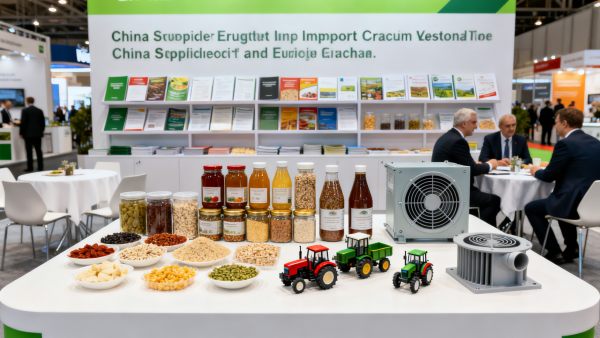
On June 7 in Belarus and June 11 in Germany, the first overseas sessions of the “Export to China” program are set to open a direct matching channel between local importers and Chinese suppliers. The development is worth watching for buyers, distributors, ingredient sourcing teams, equipment purchasers, and trade service providers, because it signals a more structured route for connecting with compliant Chinese suppliers in categories including agricultural products, agricultural machinery, food ingredients, Natural Ingredients, Food Grade Enzymes, and Climate Control & Ventilation equipment.
What the confirmed arrangement includes
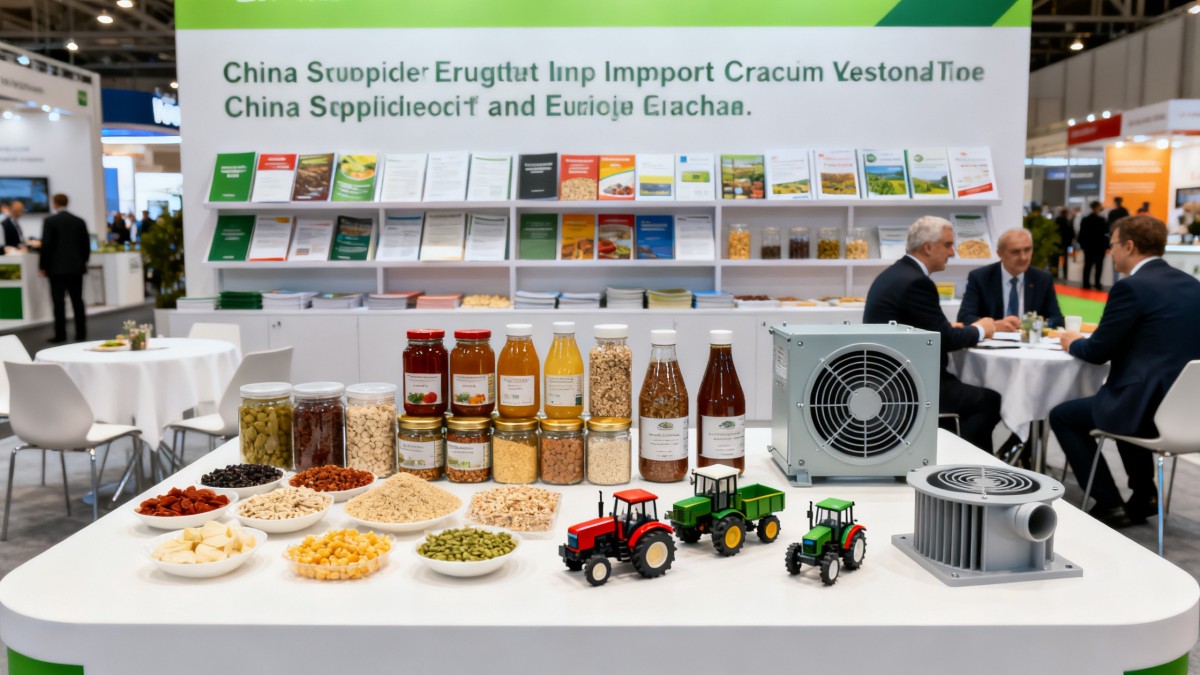
According to the confirmed event information, the Ministry of Commerce said the first overseas “Export to China” special sessions will be held in Belarus on June 7 and in Germany on June 11. The events are intended to create targeted business matching for quality Chinese agricultural products, agricultural machinery, and food ingredients.
Registration is open to local importers and distributors. The event setup includes bilingual product manuals, Chinese-to-Russian or Chinese-to-German technical Q&A support, and a sample delivery channel. For European buyers seeking Natural Ingredients, Food Grade Enzymes, and Climate Control & Ventilation equipment, the events are presented as an authoritative channel for reaching compliant Chinese suppliers more efficiently.
Why different parts of the trade chain may pay attention
Import and sourcing teams gain a more direct screening route
From an industry perspective, importers and procurement teams may be affected first because the event format reduces part of the early-stage communication burden in supplier discovery. The practical impact is likely to appear in supplier screening, technical clarification, and sample evaluation, especially where bilingual materials and technical responses influence the pace of initial assessment.
Distributors may see a shorter path to product validation
For distributors in Belarus and Germany, the relevance lies in how quickly they can compare product positioning and supplier readiness across multiple categories. What deserves closer attention is whether bilingual documentation and sample access help move discussions from interest to qualification review more efficiently, particularly in ingredients and equipment lines that require clearer technical communication.
Chinese suppliers face higher expectations on documentation and response quality
Analysis shows that the format does not simply create exposure; it raises the importance of being ready with product manuals, technical explanations, and sample coordination. For suppliers in agricultural products, machinery, and food-related inputs, the immediate business touchpoints are likely to center on document readiness, communication speed, and the ability to respond to importer questions in a structured way.
Service providers may need to watch handoff points
Trade support, logistics, and related service providers may not be the headline participants, but they are tied to what happens after first contact. Observably, the sample channel and technical Q&A element mean that post-introduction coordination could become a key operational step, particularly where buyers want to move from inquiry to product review without delay.
What companies should monitor next
Watch the distinction between access and transaction progress
Analysis shows that the confirmed information establishes a matching platform, not a guaranteed purchasing outcome. Companies should separate the value of official access from the separate work of qualification, negotiation, and delivery planning.
Prepare category-specific materials before engagement
For businesses involved in Natural Ingredients, Food Grade Enzymes, and Climate Control & Ventilation equipment, closer attention should go to whether product documents, technical descriptions, and sample arrangements are complete and usable for importer review. The event structure suggests that preparation quality may shape follow-up efficiency.
Track how bilingual communication affects deal flow
What deserves closer attention is the role of Chinese-Russian and Chinese-German technical support. For both buyers and suppliers, communication accuracy may influence how quickly discussions move from broad product interest to specific technical and commercial questions.
Keep an eye on supplier compliance presentation
Because the event is framed as a channel to compliant Chinese suppliers, companies should pay attention to how supplier qualifications and supporting documents are presented during follow-up. In practical terms, procurement, documentation, and customer communication teams may all need to align early.
How this development is best interpreted for now
Observably, this news points more to a structured market-access mechanism than to a completed shift in trade results. It is more appropriate to understand this as a near-term operating signal: official matching formats are being used to make cross-border supplier discovery more direct in selected European markets. At the same time, it remains too early to treat the events themselves as proof of lasting volume changes or broader market outcomes.
From an industry perspective, the most meaningful point is not only that two sessions are scheduled, but that the format combines registration, bilingual product information, technical Q&A, and sample support in one framework. That combination can matter for categories where trust, technical clarity, and documentation affect whether a business conversation can progress.
What the announcement means in practical terms
For the industry, the immediate significance lies in execution rather than headline scale. The confirmed arrangement creates a clearer official touchpoint for Belarusian and German importers seeking Chinese suppliers in designated categories, while giving suppliers a more defined path to present products and answer technical questions. For now, it is more appropriate to understand the development as a concrete short-term channel opening and a longer-term signal worth continued observation, rather than as a finalized market outcome.
Basis of this article and points for continued verification
This article is based on the user-provided news title, event dates, and event summary. For this type of industry update, commonly relevant source categories may include official announcements, company notices, industry association information, authoritative media reporting, and standards-related documents.
A specific official source link was not provided in the input, so continued verification is still needed. The main follow-up points to watch are whether additional official wording, participation details, category emphasis, or implementation arrangements are released after the June 7 and June 11 sessions.
Related Intelligence
- Natural IngredientsFreeze-Dried Fruit Ingredients: A Packaging Checklist for Bulk StorageBuying freeze dried fruit ingredients? Use this bulk packaging checklist to assess moisture barriers, seals, and pack sizes, reduce waste, and protect quality from storage to production.
- Natural IngredientsBotanical Ingredient Prices in Europe: Comparing Quotes by Grade and Order VolumeCompare Europe botanical ingredients price quotes by grade and order volume. Discover how potency, testing, delivery, and inventory costs reveal real savings before you buy.
- Natural IngredientsMayonnaise vs. Salad Dressing: Ingredient and Texture DifferencesMayonnaise vs. salad dressing: discover key ingredient, texture, stability, and application differences to choose the right product for every recipe.
The Morning Broadsheet
Daily chemical briefings, market shifts, and peer-reviewed summaries delivered to your terminal.
