

The Authority in Global Agricultural Chemistry & Bio-Resources
FDA Tightens Import Rules for Food-Grade Enzymes
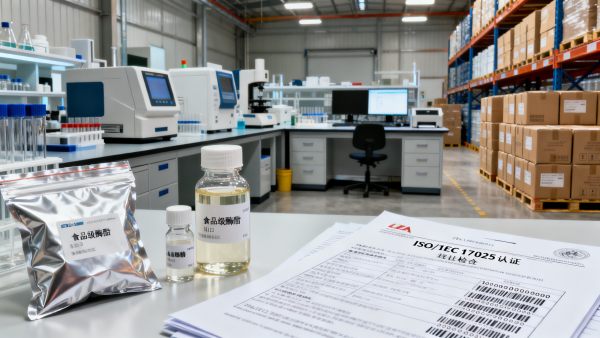
On June 30, 2026, the U.S. Food and Drug Administration updated its import enforcement guidance for food-grade enzymes, with the revised requirement taking effect on July 1, 2026. The change centers on documentation: imported food-grade enzyme preparations must now be accompanied by an enzyme activity test report issued by an ISO/IEC 17025-accredited laboratory, and that report must include a unique Digital Traceability Code (DSC) for real-time verification in the FDA’s online system. For exporters, testing partners, import coordinators, and buyers handling cross-border enzyme shipments, this is worth close attention because it directly affects document readiness, release timing, and coordination with third-party laboratories.
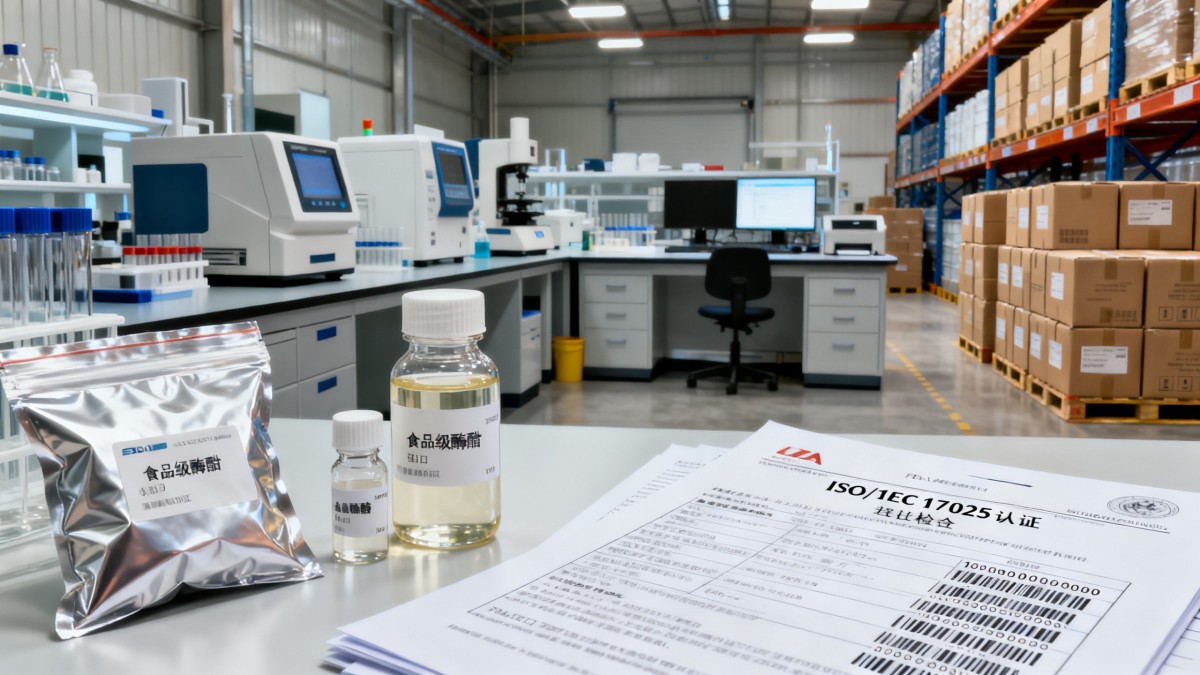
What the revised FDA guidance now requires
According to the information provided, the FDA released a revised version of its import enforcement guidance for food-grade enzymes on June 30, 2026. The guidance states that, starting July 1, 2026, all imported food-grade enzyme preparations must be submitted with an enzyme activity testing report.
The testing report must be issued by a laboratory accredited under ISO/IEC 17025. In addition, the report must contain a unique DSC so that the FDA can conduct real-time verification through its online system.
The same information also indicates that this adjustment is expected to materially affect delivery lead times for Chinese enzyme exporters and reshape how they work with third-party testing providers.
Where the immediate pressure is likely to appear
Export documentation may become a gating step
From an industry perspective, companies directly exporting food-grade enzymes to the U.S. are likely to feel the change first. The reason is straightforward: shipment readiness is now more closely tied to whether the required test report has been completed by a qualified laboratory and whether the DSC is correctly embedded for online verification. The business impact is likely to show up in pre-shipment document preparation, customs-facing compliance files, and delivery scheduling.
Third-party laboratories move closer to the center of execution
Testing service providers are also directly implicated because the new requirement does not stop at the existence of a test report; it specifies both accreditation status and a traceable digital code. Analysis shows that this puts more operational weight on laboratory qualification, report format, and the ability to support client timelines without disrupting export plans.
Importers and buyers may need tighter pre-delivery checks
For import-side coordinators and purchasing teams, the practical issue is not only whether a shipment has been tested, but whether the accompanying report meets the updated FDA format and verification expectations. What deserves closer attention is the handoff between supplier documentation, buyer review, and shipment release planning, since incomplete or nonconforming paperwork could affect order timing.
Supply chain service teams may face timing and coordination risk
Logistics, compliance, and supply chain service teams may also be affected because the revised requirement adds another verification-sensitive item to the export process. Observably, the pressure point is less about transportation itself and more about synchronizing testing, documentation, and booking schedules so that cargo movement does not outpace compliance readiness.
What companies should watch in the near term
Whether implementation language remains stable
Companies should continue watching how the FDA describes and applies the revised guidance after the July 1, 2026 effective date. Analysis shows that the text of a requirement and its practical execution can differ in emphasis, especially when real-time verification is involved.
How laboratory qualification affects delivery planning
Businesses shipping to the U.S. should review whether their testing partners hold ISO/IEC 17025 accreditation and whether report issuance workflows can support the new DSC requirement. The immediate concern is operational: whether existing testing arrangements are sufficient for current lead times and order commitments.
How document control connects to customer communication
For sales, export, and account teams, the update raises a communication issue as much as a compliance one. Where deliveries are time-sensitive, customers may need earlier confirmation on report availability, verification status, and any scheduling implications linked to testing or document completion.
How contingency planning is handled across suppliers and service partners
What deserves closer attention is whether companies have a backup path if a report cannot be issued on time or if documentation requires correction before shipment. This is particularly relevant for firms relying on external laboratories and multi-party export coordination.
Why this looks like more than a routine paperwork change
Analysis shows that the update should not be read only as a narrower filing requirement. By combining accredited testing with a unique digital traceability code that can be checked in real time, the FDA is signaling a stronger emphasis on verifiable documentation at the point of import review.
It is more appropriate to understand this as a near-term operational change with a broader compliance signal behind it. The immediate effect is procedural, but the larger point for the market is that documentation quality, laboratory credibility, and traceability readiness are becoming more closely linked in actual import execution. At the same time, this remains a development that warrants continued observation rather than a basis for broad conclusions beyond the information currently available.
How the market may best interpret this update for now
At this stage, the most grounded reading is that the FDA has introduced a concrete new documentation threshold for imported food-grade enzymes, and that threshold has immediate execution consequences for exporters, laboratories, import coordinators, and buyers. The significance lies less in headline impact and more in the way a compliance detail can alter shipment timing and third-party testing workflows.
From a practical standpoint, this is best understood as an actionable short-term rule change that may also point to a longer-term preference for more traceable and digitally verifiable import documentation. The full industry effect still depends on how implementation develops in day-to-day trade activity.
Basis of this article and what still needs verification
This article is based on the user-provided news title, event date, and event summary regarding the FDA’s revised import enforcement guidance for food-grade enzymes. In coverage of this kind, relevant source types typically include official regulatory notices, company disclosures, industry association updates, authoritative media reporting, and standard-setting or laboratory accreditation documents.
A specific official source link was not provided in the input, so that primary reference still needs to be continuously verified. Follow-up attention should focus on any further FDA wording, implementation clarification, and market-side responses related to accredited testing workflows, DSC use, and shipment documentation practice.
Related Intelligence
- Food Grade EnzymesWhat Drives Industrial Enzyme Costs? Activity, Format, and Supply Risk ExplainedIndustrial enzyme cost factors explained: compare activity, formulation, shelf life, documentation, and supply risk to reduce process costs and improve purchasing decisions.
- Food Grade EnzymesIs There a Global Standard for Biochemical Engineering Product Quality?Is there a global standard for biochemical engineering product quality? Explore GMP, ISO, traceability, and supplier checks for confident global sourcing.
- Food Grade EnzymesHow Enzymes for Cracker Formulation Improve Texture and Shelf LifeEnzymes for cracker formulation can enhance dough handling, crisp texture, and shelf life. Explore targeted enzyme strategies for consistent, high-quality crackers.
The Morning Broadsheet
Daily chemical briefings, market shifts, and peer-reviewed summaries delivered to your terminal.
