

The Authority in Global Agricultural Chemistry & Bio-Resources
South Africa to Mandate Local Representatives for Temu, Shein & Botanical Extracts Exporters
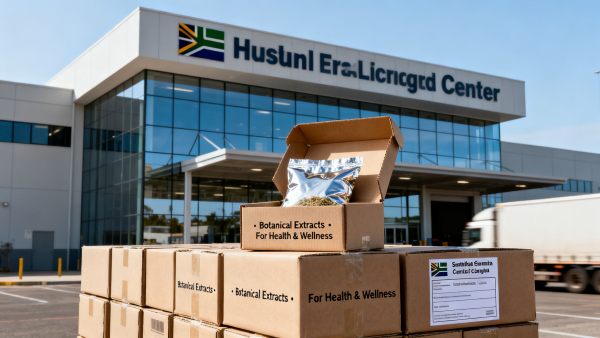
South Africa is proposing new regulatory requirements that would compel cross-border e-commerce platforms—including Temu and Shein—to appoint a legally registered local representative within the country. While the exact effective date remains unannounced, the draft policy signals a significant tightening of market access controls, with direct implications for exporters of botanical extracts and other regulated health- and wellness-related goods. The move reflects broader regulatory convergence efforts targeting product accountability, consumer protection, and customs enforcement—particularly in fast-growing digital trade channels.
Event Overview
South African authorities have announced plans to require all foreign-based e-commerce platforms operating in the country to designate an officially registered local legal representative. Absent such appointment, platforms will be prohibited from listing or selling products in South Africa. Crucially, this requirement extends downstream to importers of regulated goods—including botanical extracts—where failure to provide verifiable evidence of a South African compliance entity and clear product liability assignment may result in customs rejection and mandatory delisting from online marketplaces.
Industries Affected
Direct Trading Enterprises: Exporters and distributors who sell botanical extracts directly into South Africa via Temu, Shein, or similar platforms face immediate operational risk. Without a locally appointed representative or authorized importer-of-record, shipments may stall at customs, and listings may be removed without notice—impacting revenue cycles and brand visibility.
Raw Material Sourcing Firms: Companies sourcing plant-based raw materials (e.g., rooibos, devil’s claw, African potato) for export must now verify whether their downstream partners hold valid South African compliance standing. A lack of traceable local accountability upstream can trigger cascading non-compliance—even if the material itself meets quality standards—because regulatory scrutiny now focuses on chain-of-responsibility documentation.
Processing & Manufacturing Entities: Extract manufacturers—especially those producing standardized or functional botanical ingredients for dietary supplements or cosmetics—must reassess labeling, batch traceability, and technical dossiers. South African regulators are expected to align more closely with EU-style responsibility frameworks, meaning manufacturing sites may need third-party verification or SA-specific product registrations before clearance.
Supply Chain Service Providers: Customs brokers, compliance consultants, and local agent firms are seeing heightened demand for end-to-end representation services—not just import licensing but also statutory registration, post-market surveillance coordination, and liability assumption contracts. This shift elevates the strategic value of integrated regulatory service providers over transactional agents.
Key Considerations and Recommended Actions
Confirm Local Representative Eligibility Early
Chinese and other non-resident exporters should not assume existing South African distributors automatically qualify as statutory representatives. The role requires formal registration with the Companies and Intellectual Property Commission (CIPC), tax compliance, and explicit contractual authority to accept legal liability for product claims and recalls.
Review Product Documentation Against SA Health Products Regulations
Botanical extracts intended for food, supplement, or cosmetic use must align with South Africa’s Medicines and Related Substances Act, Foodstuffs, Cosmetics and Disinfectants Act, or Natural Health Products Bill (pending). Ingredient-level safety data, usage limits, and labeling bilingualism (English + one official SA language) are now prerequisites—not optional enhancements.
Evaluate Dual-Channel Compliance Burden
Exporters serving both traditional B2B channels (e.g., bulk ingredient sales to SA formulators) and direct-to-consumer e-commerce must maintain separate compliance pathways: one for wholesale distribution (often managed by the SA buyer), and another for platform-driven retail (now mandating exporter-appointed representation). Conflating these increases audit exposure.
Editorial Perspective / Industry Observation
Analysis shows this policy is less about restricting trade and more about institutionalizing accountability in digitally mediated commerce. Observably, South Africa is following precedents set by the EU’s EUDR and Indonesia’s e-commerce localization rules—not as protectionist measures per se, but as responses to enforcement gaps revealed during pandemic-era import surges. From an industry perspective, the requirement better reflects evolving global norms where market access increasingly hinges on governance infrastructure—not just product quality. Current trends suggest that jurisdictions with high informal trade volumes are prioritizing traceability levers that platforms, rather than individual sellers, can most efficiently scale.
Conclusion
This proposed regulation marks a structural inflection point—not merely for botanical extract exporters, but for how non-resident suppliers engage with emerging markets through digital channels. It signals a broader recalibration: regulatory entry barriers are shifting from technical specifications toward organizational readiness. A rational interpretation is that compliance is becoming a prerequisite for market participation, not a post-entry administrative step.
Source Attribution
Information sourced from preliminary regulatory notices published by the South African Department of Trade, Industry and Competition (dtic) and the South African Health Products Regulatory Authority (SAHPRA), as of Q2 2024. Draft legislation has not yet been tabled in Parliament; final provisions, timelines, and exemptions remain subject to public consultation and interdepartmental alignment. Ongoing monitoring is advised for updates on the Electronic Commerce Regulation Amendment Bill and related amendments to the Natural Health Products Bill.
Related Intelligence
- Botanical ExtractsChoosing Botanical Extracts for Pharmaceuticals: Potency, Purity, and ComplianceBotanical extracts for pharmaceuticals: learn how to assess potency, purity, traceability, and GMP compliance for confident, regulatory-ready supplier selection.
- Botanical ExtractsBotanical Extracts Market Outlook: Supply, Pricing, and Buyer RisksBotanical extracts market insights on supply, pricing, quality control, and buyer risks—compare suppliers confidently and protect your sourcing strategy.
- Botanical ExtractsEurope Botanical Extracts Market: Key Growth Drivers, Risks, and OpportunitiesEurope botanical extracts market insights: explore growth drivers, regulatory risks, supply-chain challenges, and scalable opportunities for compliant, high-value ingredients.
The Morning Broadsheet
Daily chemical briefings, market shifts, and peer-reviewed summaries delivered to your terminal.
