

The Authority in Global Agricultural Chemistry & Bio-Resources
Brazil ANVISA Rule Adds NGTC Code for Botanical Extract Additives
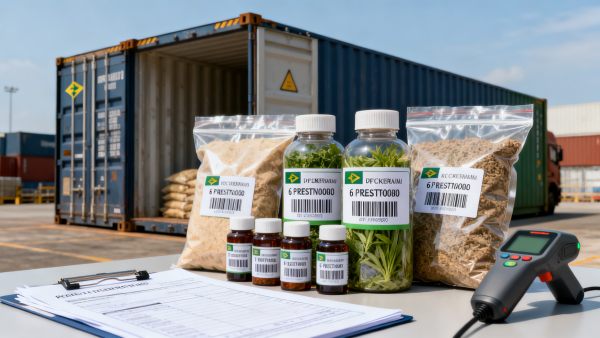
On July 7, 2026, Brazil’s health regulator ANVISA released a new rule that changes how food additives made from botanical extracts can enter the Brazilian market. From July 15, 2026, affected products must carry a 6-digit Non-GMO Traceability Code (NGTC) on both import customs declarations and product labels, with the code generated and verified through ANVISA-recognized blockchain platform AgroChain BR. For exporters, importers, ingredient buyers, and supply-chain service providers handling products such as steviol glycosides, curcumin, and green tea polyphenols, this is worth close attention because the requirement is tied directly to customs clearance.
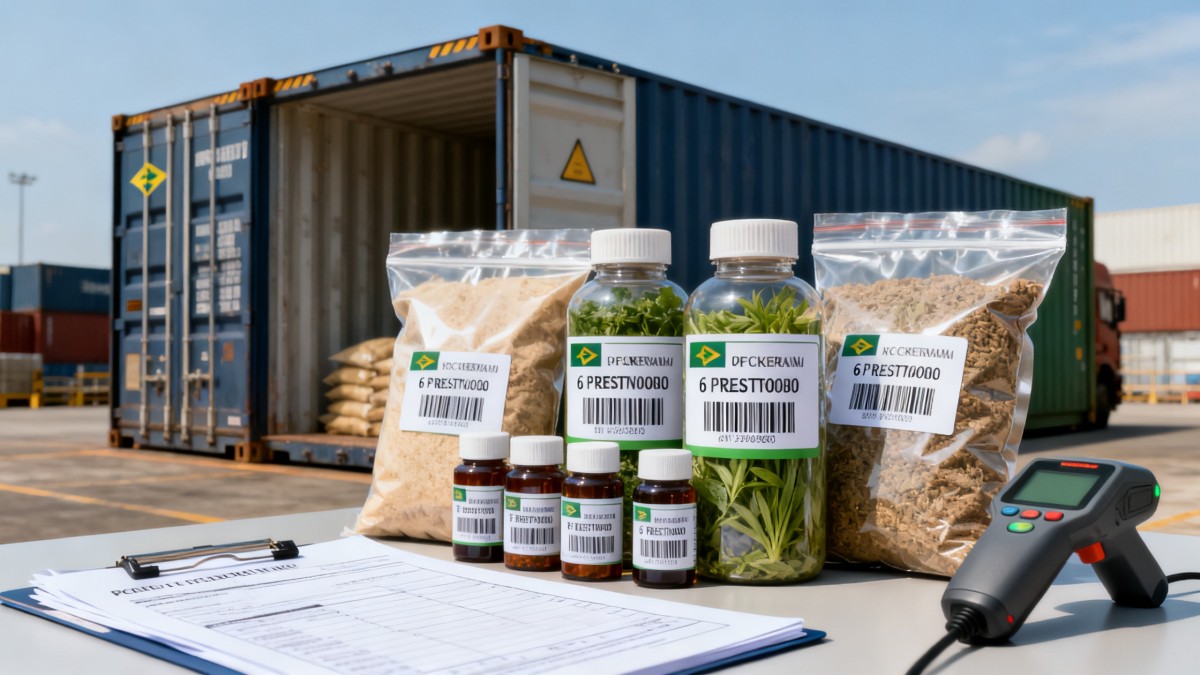
What the new ANVISA requirement states
According to the provided information, ANVISA issued RDC No. 42/2026 on July 7, 2026. The rule applies to food additives using Botanical Extracts as raw materials, including examples such as steviol glycosides, curcumin, and green tea polyphenols. Starting on July 15, 2026, these products must display a 6-digit NGTC on import customs declarations and on labels. The code must be generated and verified through AgroChain BR, a blockchain platform recognized by ANVISA. Products without the required code will be denied customs clearance.
Where the commercial pressure is likely to appear first
Export documentation becomes a shipment-critical checkpoint
From an industry perspective, exporters shipping botanical extract-based food additives to Brazil may face the most immediate operational pressure at the documentation stage. Because the requirement covers the import declaration and the label at the same time, the issue is not limited to packaging alone. What deserves closer attention is whether internal export paperwork, product identification, and shipment release procedures are aligned early enough to avoid cargo reaching customs without a valid NGTC-linked record.
Procurement and ingredient sourcing may need tighter traceability alignment
For procurement teams and ingredient buyers, the rule points to a stronger link between source material management and market-access compliance. Analysis shows that when a botanical extract is used as the raw material for a food additive, purchasing decisions may now need to consider not only specification and price, but also whether the supply chain can support code generation and verification through the required platform. This matters particularly for businesses managing multiple botanical-origin ingredients across different suppliers.
Manufacturers and label owners will need to watch product release timing
Manufacturers and brand or label owners may be affected in the product release and labeling stage. Observably, the rule creates a direct compliance connection between regulatory data and physical label content. Companies supplying the Brazilian market should pay attention to whether existing label inventories, packaging workflows, and release approvals can accommodate the new NGTC marking requirement before shipment.
Logistics and customs-facing service providers may see higher pre-clearance scrutiny
Supply-chain service providers, customs brokers, and other trade support parties may also be affected because the consequence of missing the code is explicit: no customs clearance. It is more appropriate to understand this as a rule that could shift part of the compliance check forward, requiring logistics and customs-facing teams to verify code presence and consistency before cargo arrival rather than treating the issue as a routine post-shipment document correction.
What companies should review now
Check whether covered product lines have been clearly identified
Analysis shows that businesses should first confirm which exported or imported food additives fall within the scope described in the notice, especially where Botanical Extracts are the raw material. This is a practical starting point for avoiding misclassification in trade, procurement, and shipment planning.
Review label and declaration workflows together
Because the NGTC must appear on both the import customs declaration and the label, companies should pay close attention to whether these two processes are managed in sync. Where internal teams or external partners handle customs documents and packaging separately, the rule raises a clear risk of inconsistent execution even if one side of the process is updated earlier than the other.
Follow the platform-linked compliance requirement closely
The provided information states that the code must be generated and verified through AgroChain BR. What deserves closer attention is how companies, suppliers, and service providers will operationalize that platform-linked step in day-to-day export preparation. Since the input does not provide further procedural detail, this should be treated as an area requiring continued verification rather than assumed readiness.
Watch for execution language beyond the headline rule
Observably, the headline obligation is already clear: no code, no customs clearance. At the same time, businesses should continue monitoring any later clarification around implementation wording, compliance interpretation, document handling, and label application in actual trade practice. The current information establishes the requirement, but it does not describe every execution scenario.
How this rule is best understood at this stage
Analysis shows that this development is better understood as an immediate execution signal rather than a distant policy direction. The short interval between the July 7 release date and the July 15 effective date matters because it compresses the time available for exporters and import-side partners to align documentation and labels. At the same time, it remains a rule development that still warrants observation, because the provided information does not include fuller detail on practical enforcement scenarios beyond the stated customs consequence.
Why the market will keep watching this change
From an industry perspective, the significance of this update lies in how directly it ties traceability marking to import access for botanical extract-based food additives. The rule should not be overstated beyond the facts provided, but it clearly signals that market entry for the covered products will depend on meeting a specific code-based requirement within both customs and labeling workflows. At present, it is more appropriate to understand this as a landed compliance change with immediate trade relevance, while still tracking how implementation language and market practice develop after the effective date.
Basis of this article and what still needs verification
This article is based on the user-provided news title, event date, and event summary. For this type of development, commonly relevant source categories may include official regulatory notices, regulator publications, customs or trade authority information, industry association updates, standard-setting documents, and reporting by authoritative trade media. A specific official source link was not provided in the input, so the underlying notice and any subsequent implementation materials still need ongoing verification. What should continue to be monitored includes detailed enforcement language, compliance interpretation, documentation practice, label execution, procurement adjustments, and industry feedback after the rule takes effect.
Related Intelligence
- Botanical ExtractsChoosing Botanical Extracts for Pharmaceuticals: Potency, Purity, and ComplianceBotanical extracts for pharmaceuticals: learn how to assess potency, purity, traceability, and GMP compliance for confident, regulatory-ready supplier selection.
- Botanical ExtractsBotanical Extracts Market Outlook: Supply, Pricing, and Buyer RisksBotanical extracts market insights on supply, pricing, quality control, and buyer risks—compare suppliers confidently and protect your sourcing strategy.
- Botanical ExtractsEurope Botanical Extracts Market: Key Growth Drivers, Risks, and OpportunitiesEurope botanical extracts market insights: explore growth drivers, regulatory risks, supply-chain challenges, and scalable opportunities for compliant, high-value ingredients.
The Morning Broadsheet
Daily chemical briefings, market shifts, and peer-reviewed summaries delivered to your terminal.
