

The Authority in Global Agricultural Chemistry & Bio-Resources
Seawater Desalination for Boats: How to Size a Marine Watermaker
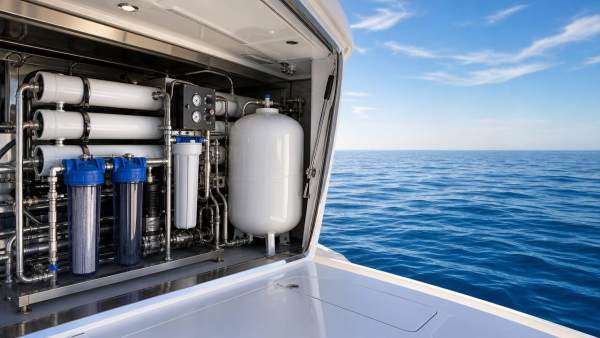
Seawater Desalination for Boats: How to Size a Marine Watermaker
Reliable freshwater is critical when offshore passages, fishing runs, or extended anchorage push onboard storage to its limits.
Seawater desalination for boats gives operators greater independence, but sizing a marine watermaker requires more than choosing the largest available unit.
Daily demand, power capacity, operating hours, membrane output, and maintenance access all shape the correct desalination decision.
Start With the Operating Scenario, Not the Catalogue Rating
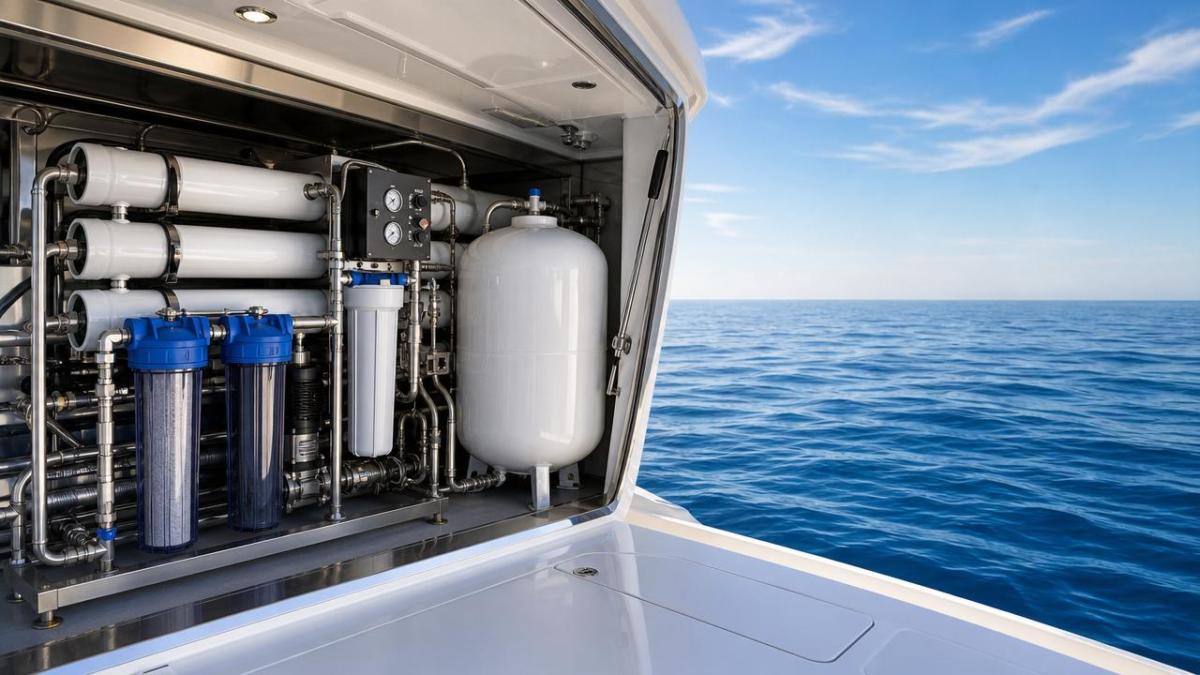
Marine watermaker sizing begins with how the vessel is actually used, not with ideal production figures printed in brochures.
Seawater desalination for boats must match real sea temperature, salinity, battery limits, generator availability, and crew behavior.
A weekend cruiser, a long-range sailing yacht, and a commercial fishing vessel rarely share the same freshwater profile.
The safest approach is scenario-based sizing. Estimate consumption first, then decide how many hours the system can reasonably run.
Scenario Background: Why Freshwater Demand Changes So Much
Freshwater demand depends on voyage length, crew discipline, hygiene expectations, galley routines, deck washing, and equipment cleaning.
For seawater desalination for boats, every extra shower or rinse cycle increases the required daily output.
Tank size also matters. Large storage can buffer low-output days, while small tanks demand faster recovery.
Power supply is another constraint. A compact 12V system may suit light cruising but struggle during heavy daily use.
Generator-driven units can produce more water, yet they increase noise, fuel use, and maintenance planning.
Typical Scenario One: Coastal Cruising and Weekend Anchoring
Coastal cruisers often have marina access, so seawater desalination for boats is mainly a comfort and contingency upgrade.
The watermaker does not need to cover every possible demand if dockside refilling remains available.
For two to four people, calculate drinking, cooking, light washing, and limited showers.
A practical range is often 20 to 60 liters per person per day, depending on comfort habits.
In this scenario, compact low-power units are attractive because they fit tight spaces and reduce installation complexity.
Typical Scenario Two: Offshore Passage and Bluewater Sailing
Offshore passages make freshwater autonomy more important because weather, routing, and delays can extend time at sea.
Seawater desalination for boats in bluewater service should include reserve capacity beyond normal daily consumption.
A conservative plan adds 20% to 30% safety margin for slower production, fouling, or unexpected crew needs.
Sailing vessels must also consider energy balance. Solar, wind, alternators, lithium batteries, and generator cycles affect operating hours.
For bluewater use, reliability, serviceability, and prefilter access may matter more than maximum rated flow.
Typical Scenario Three: Sport Fishing, Charter, and Commercial Runs
Fishing and charter vessels can consume water quickly through cleaning, galley service, guest comfort, and crew operations.
Seawater desalination for boats in these applications often needs higher hourly production and robust filtration.
Fish handling, bait preparation, and deck rinsing should not automatically rely on potable water.
Separate washdown systems can prevent oversizing the desalination unit for non-drinking purposes.
Charter operations should also consider user expectations. Guests may use water less cautiously than experienced crews.
Calculate Daily Water Demand Before Selecting Output
Begin with the number of people onboard and assign realistic daily consumption for each activity.
For seawater desalination for boats, separate essential water from comfort water to avoid expensive oversizing.
- Drinking and cooking: 4 to 8 liters per person daily.
- Basic washing: 5 to 15 liters per person daily.
- Short showers: 10 to 25 liters per person daily.
- Galley cleanup: 10 to 30 liters per day.
- Equipment rinsing: variable, often best handled separately.
After estimating demand, multiply by voyage days and compare the result with tank volume and production capacity.
A balanced design avoids both water anxiety and unnecessary equipment weight.
Match Production Rate to Realistic Operating Hours
Marine watermakers are commonly rated in liters or gallons per hour under controlled conditions.
Seawater desalination for boats should be sized using realistic daily run time, not continuous 24-hour operation.
If a vessel needs 120 liters daily and can run the unit four hours, output should exceed 30 liters hourly.
Add reserve capacity when water temperature is low, salinity is high, or prefilters clog quickly.
For battery-powered systems, confirm total amp-hours, inverter losses, and charging recovery before final selection.
Key Scenario Differences for Marine Watermaker Sizing
This comparison shows why seawater desalination for boats must be evaluated by mission profile.
The same rated capacity can feel generous on one vessel and insufficient on another.
Power, Space, and Installation Constraints Shape the Final Choice
A correctly sized unit still fails if the vessel cannot power, cool, or service it properly.
Seawater desalination for boats requires intake planning, brine discharge routing, pressure pump access, and secure mounting.
Small vessels may favor modular systems because components can be distributed around lockers and machinery spaces.
Larger vessels may choose high-output AC units connected to generator schedules and centralized monitoring.
Noise and vibration also matter, especially when the unit operates during night watches or quiet anchorages.
Membrane Performance and Water Quality Checks
Reverse osmosis membranes produce less water when feedwater is colder, saltier, or contaminated with suspended solids.
For seawater desalination for boats, production estimates should include local cruising areas and seasonal conditions.
A total dissolved solids meter helps verify product water quality before it enters the freshwater tank.
Automatic diversion valves add protection by rejecting poor-quality water during startup or membrane flushing.
Regular flushing prevents biological growth and extends membrane service life when the vessel is idle.
Scenario-Based Sizing Recommendations
Use these practical rules to narrow the specification before comparing brands or equipment packages.
- Estimate essential water first, then add comfort demand separately.
- Size output for realistic daily run time, not maximum theoretical operation.
- Add 20% to 30% margin for offshore or remote cruising.
- Check power availability during poor solar or heavy hotel loads.
- Plan filter access before confirming equipment location.
- Keep potable water separate from raw washdown requirements.
Seawater desalination for boats works best when the system supports habits that the crew can maintain consistently.
A smaller unit run daily may outperform a large unit that is inconvenient to operate.
Common Sizing Mistakes That Create Onboard Problems
One frequent mistake is assuming brochure output will remain constant in every cruising area.
Another mistake is ignoring prefilter loading in harbors, estuaries, warm anchorages, or plankton-rich fishing grounds.
Seawater desalination for boats can also be compromised by poor intake location near turbulence or contaminated discharge zones.
Some installations lack enough clearance for filter changes, pump inspection, or winterization procedures.
Oversizing can create different problems. High draw, larger pumps, and unused capacity may reduce practical reliability.
A Simple Sizing Formula for Practical Decisions
Use this working formula during early planning: daily demand divided by available run hours equals required hourly output.
Then add a margin that reflects voyage risk, water temperature, fouling exposure, and maintenance confidence.
For example, four people using 35 liters each need 140 liters daily.
If operation is limited to five hours, select at least 28 liters per hour before adding reserve margin.
This method keeps seawater desalination for boats tied to measurable needs instead of guesswork.
Action Steps Before Buying a Marine Watermaker
Before committing to equipment, document crew count, route length, tank volume, power sources, and planned operating windows.
Create a demand table for essential, comfort, and cleaning water, then decide which uses must be potable.
Ask for performance data under realistic salinity and temperature, not only ideal test conditions.
Review installation drawings for service clearance, intake position, brine discharge, electrical protection, and freshwater tank connection.
Seawater desalination for boats becomes a dependable asset when sizing, installation, and maintenance planning are handled together.
The right marine watermaker should deliver enough freshwater without overloading the vessel’s energy system or maintenance routine.
Use the scenario framework above to compare options, validate assumptions, and build a safer freshwater plan before departure.
Related Intelligence
- Aeration & Water TechHow Water Treatment Research Guides Technology Selection for Industrial Wastewater ProjectsWater treatment research guides smarter industrial wastewater technology selection. Learn how to assess variable streams, pilot risks, compare process trains, and reduce compliance costs.
- Aeration & Water TechSelecting Solids Filtration for Aquaculture: Flow Rates, Loading, and Fish WelfareSolids filtration aquaculture guide: compare flow rates, peak loading, capture performance, maintenance, and fish welfare to choose a reliable system.
- Aeration & Water TechWhat RO water treatment systems deliver consistent 98% salt rejection at 25°C with feed TDS over 3,000 ppm?RO water treatment systems that deliver proven 98% salt rejection at 25°C with >3,000 ppm TDS—engineered for API synthesis, aquaculture & grain processing.
The Morning Broadsheet
Daily chemical briefings, market shifts, and peer-reviewed summaries delivered to your terminal.
