

The Authority in Global Agricultural Chemistry & Bio-Resources
How to choose aquaculture water pumps with fewer risks
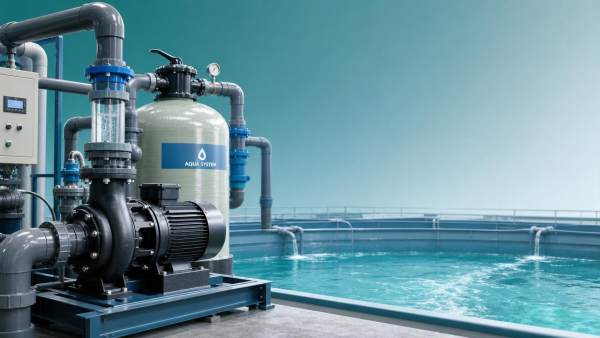
Choosing aquaculture water pumps is a high-stakes decision that affects water quality, operating costs, compliance, and long-term system reliability. For business evaluators, the safest path is a structured comparison of hydraulic performance, material durability, energy use, maintenance burden, and supplier credibility. When these factors are reviewed together, the risk of overspending, underperforming flow, and premature failure drops sharply.
Core definition and decision scope for aquaculture water pumps
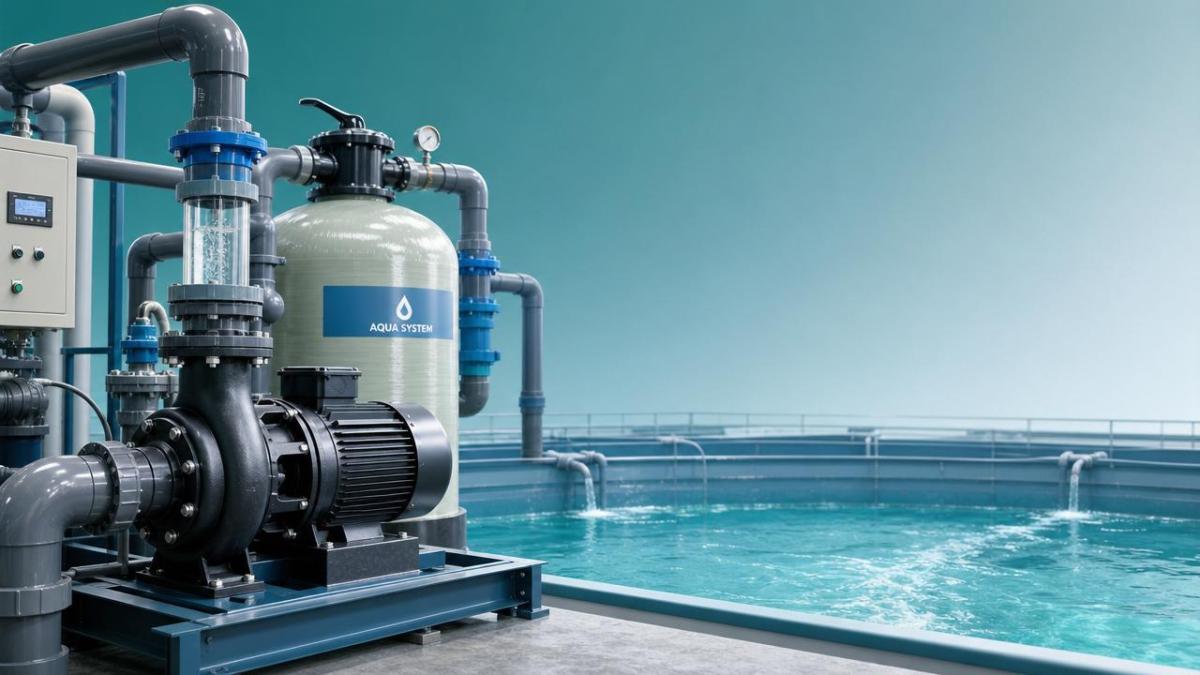
Aquaculture water pumps move, circulate, transfer, or recirculate water in fish farms, hatcheries, shrimp systems, ponds, tanks, and RAS facilities. Their role extends beyond simple transport. They support oxygen stability, waste control, temperature consistency, filtration efficiency, and biosecurity management.
In practical terms, the wrong pump creates hidden losses. Flow may look acceptable on paper, yet real piping resistance can reduce turnover rates. Poor material choices may corrode in brackish or saline water. Oversized motors raise electricity costs, while undersized units increase stress on stock and filtration systems.
For lower-risk selection, aquaculture water pumps should be assessed as part of a complete water management system. That means reviewing pump curves, head pressure, duty cycles, solids tolerance, standby planning, and compatibility with treatment equipment.
What should be included in the scope
- Required flow rate for each tank, pond, or loop
- Total dynamic head across pipes, bends, filters, and elevation
- Water type, including freshwater, seawater, or chemical-treated water
- Continuous or intermittent operation profile
- Noise, heat, maintenance access, and emergency redundancy
Industry conditions shaping pump selection risk
The market for aquaculture water pumps is affected by tightening environmental expectations, rising energy prices, and pressure for traceable equipment performance. Water recirculation systems are becoming more complex, which increases the cost of pump mismatch.
At the same time, buyers face uneven specification quality. Some data sheets emphasize maximum flow but omit realistic operating points. Others provide limited information on impeller design, seal type, motor efficiency, or corrosion resistance. These gaps increase procurement risk.
These conditions make careful evaluation essential. The lowest quoted price rarely reflects the lowest total risk. In most facilities, the real cost comes from downtime, fish loss, unstable water parameters, and repeated replacements.
Business value of selecting aquaculture water pumps correctly
Well-matched aquaculture water pumps create measurable operational value. They stabilize circulation, reduce maintenance interventions, and improve consistency across seasonal or production changes. This is especially important where biological systems depend on reliable water turnover.
Correct sizing also improves energy performance. A pump operating near its best efficiency point uses less power and usually experiences lower vibration and wear. That translates into lower service frequency and fewer emergency repairs.
Another advantage is planning confidence. When specifications are verified against realistic conditions, system expansions become easier. Pipework, filtration upgrades, and backup design can be developed from dependable hydraulic assumptions rather than rough estimates.
Main value drivers
- Lower power consumption over the equipment lifecycle
- Better dissolved oxygen and waste transport performance
- Reduced unplanned shutdowns and maintenance delays
- More reliable compliance and recordkeeping support
- Stronger fit with future scaling or system redesign
Typical aquaculture water pumps by scenario and system type
Different facilities require different pump characteristics. A hatchery may prioritize gentle flow and fine control. A pond transfer application may prioritize volume and solids handling. Recirculating systems often need efficient continuous-duty performance with dependable head delivery.
This is why comparing aquaculture water pumps only by horsepower or price is risky. The application profile decides what counts as performance. A pump that works well in one loop can perform poorly in another with different head, salinity, or maintenance constraints.
Practical evaluation criteria that reduce risk
A risk-aware review process should start with hydraulic truth. Confirm the required flow at the actual total dynamic head, not at zero head or catalog maximum. Ask for the pump curve and identify the normal operating point, not just the peak rating.
1. Hydraulic performance
Check whether the unit can deliver the required turnover under real pipe losses. Include valves, elbows, filters, UV units, elevation changes, and fouling margin. If the system may expand, include expected future demand.
2. Material durability
Materials should match water chemistry. Stainless steel grades, engineered plastics, coatings, shaft materials, and seal components matter. In seawater or treated systems, poor compatibility can shorten service life dramatically.
3. Energy efficiency
Electricity often dominates lifecycle cost. Compare motor efficiency, variable frequency drive compatibility, and performance near the expected duty point. A slightly higher purchase price may produce substantial savings over continuous operation.
4. Maintenance and serviceability
Review seal replacement complexity, bearing access, spare parts lead time, and cleaning procedures. If downtime is costly, a simpler service design can be more valuable than a marginally cheaper unit.
5. Supplier transparency
Reliable suppliers provide traceable specifications, test data, material declarations, and reference installations. They answer technical questions directly and document warranty scope clearly. Weak documentation is often an early warning sign.
A practical screening checklist
- Does the quoted flow match the actual operating head?
- Are wetted materials suitable for salinity and treatment chemicals?
- Is the pump designed for continuous duty if required?
- Are efficiency data and motor details documented?
- Are spare parts and service intervals clearly defined?
- Is there a backup strategy for critical circulation points?
Common mistakes when buying aquaculture water pumps
Several predictable errors increase failure risk. The first is selecting aquaculture water pumps by maximum flow alone. A high number on a brochure means little without the corresponding head curve and duty profile.
Another mistake is underestimating water chemistry. Salinity, disinfectants, suspended solids, and temperature swings all influence corrosion and wear. Ignoring these variables often leads to leaking seals, damaged impellers, and unstable output.
It is also risky to ignore redundancy. In biologically sensitive systems, a single-point pump failure can quickly become a stock welfare issue. For critical loops, backup pumps, alarms, and maintenance planning should be considered part of the decision.
A final error is treating after-sales support as secondary. Delayed spare parts or unclear technical support can turn a small fault into extended downtime. Strong documentation and dependable service infrastructure are part of pump value.
Implementation steps for a safer next decision
To reduce uncertainty, build a short technical comparison sheet before requesting quotes. List required flow, total dynamic head, water chemistry, duty cycle, solids level, power supply, and maintenance constraints. This creates a consistent basis for vendor responses.
Then compare aquaculture water pumps using total lifecycle logic rather than unit price alone. Review energy consumption, expected service intervals, spare part access, and failure consequences. Where possible, request test evidence or operating references for similar conditions.
If the application is critical, ask for duty-point confirmation and material verification in writing. That simple step reduces ambiguity and improves accountability. For larger systems, consider a pilot evaluation or third-party engineering review before final commitment.
The best outcomes come from matching hydraulic accuracy, corrosion resistance, efficiency, and support quality. By evaluating aquaculture water pumps through this broader lens, decision-makers can protect water quality, control costs, and avoid preventable operational risk.
Related Intelligence
- Aeration & Water TechHow Water Treatment Research Guides Technology Selection for Industrial Wastewater ProjectsWater treatment research guides smarter industrial wastewater technology selection. Learn how to assess variable streams, pilot risks, compare process trains, and reduce compliance costs.
- Aeration & Water TechSelecting Solids Filtration for Aquaculture: Flow Rates, Loading, and Fish WelfareSolids filtration aquaculture guide: compare flow rates, peak loading, capture performance, maintenance, and fish welfare to choose a reliable system.
- Aeration & Water TechWhat RO water treatment systems deliver consistent 98% salt rejection at 25°C with feed TDS over 3,000 ppm?RO water treatment systems that deliver proven 98% salt rejection at 25°C with >3,000 ppm TDS—engineered for API synthesis, aquaculture & grain processing.
The Morning Broadsheet
Daily chemical briefings, market shifts, and peer-reviewed summaries delivered to your terminal.
