

The Authority in Global Agricultural Chemistry & Bio-Resources
Corrosion Resistant Water Treatment: Which Materials Work Best in High-Chloride Systems?
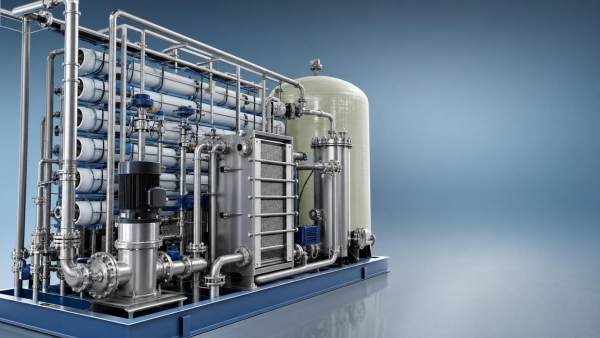
Corrosion Resistant Water Treatment: Which Materials Work Best in High-Chloride Systems?
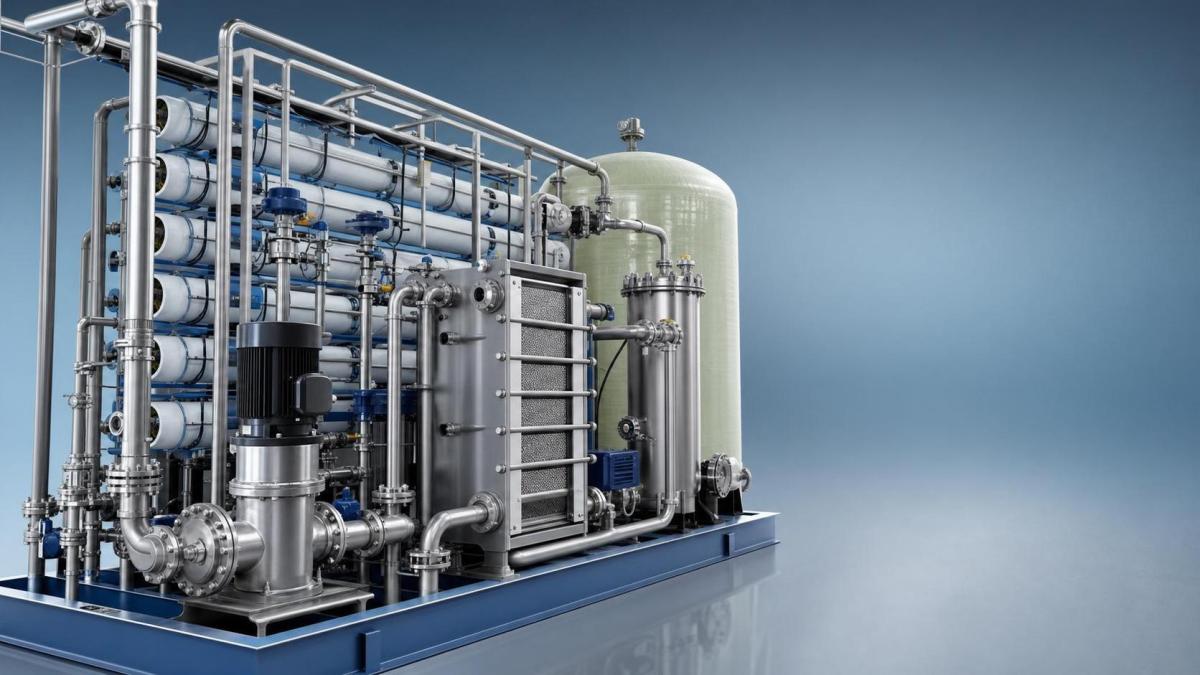
In high-chloride environments, material choice drives uptime, compliance, and lifetime cost.
That is why corrosion resistant water treatment is not a niche concern.
It sits at the center of plant reliability, maintenance planning, and capex control.
When chlorides rise, familiar materials can fail faster than expected.
Pitting, crevice corrosion, stress corrosion cracking, and under-deposit attack become practical project risks.
This is especially true in desalination, cooling water loops, brine handling, wastewater reuse, and chemical dosing systems.
A workable corrosion resistant water treatment strategy starts with the actual operating profile.
Chloride concentration matters, but so do temperature, flow velocity, oxidants, pH, solids, and cleaning cycles.
The right answer is usually not one material everywhere.
It is a material map that matches exposure severity to performance and budget.
Why High-Chloride Systems Fail So Often
Chlorides are small, mobile ions that disrupt protective oxide films on many metals.
Once those films break down, localized attack can accelerate quickly.
Localized damage is the real problem in corrosion resistant water treatment design.
A system may look sound overall, yet fail from a single gasketed joint or stagnant branch.
From recent project trends, the clearer signal is rising process complexity.
Facilities are pushing higher recovery rates, more reuse, and tighter discharge limits.
That means more concentrated streams and more aggressive chemistry.
In practical terms, corrosion resistant water treatment now demands earlier material review during FEED and procurement.
The main failure drivers usually include:
- High chloride concentration, especially in brines and evaporator circuits.
- Elevated temperature, which sharply increases corrosion risk.
- Stagnant zones near flanges, dead legs, and low-flow tanks.
- Oxidizing chemicals such as hypochlorite, chlorine dioxide, or ozone.
- Poor fabrication, contaminated welds, or rough internal surfaces.
How to Compare Material Families
For corrosion resistant water treatment, material selection should balance resistance, fabrication, availability, and lifecycle cost.
The lowest purchase price rarely delivers the lowest total installed cost.
A useful screen is to compare material families by failure mode, not by generic reputation.
For example, a metal may tolerate bulk corrosion yet fail from chloride pitting.
Another may perform well in immersion but struggle under tensile stress.
This is where corrosion resistant water treatment decisions become highly application specific.
A practical comparison
Which Metals Work Best in Corrosion Resistant Water Treatment
Metals still matter in corrosion resistant water treatment because many systems need pressure strength and structural integrity.
But not all stainless steels belong in chloride service.
316 stainless is often overextended in applications where it should not be the default.
In moderate to high chlorides, duplex grades usually offer a better balance.
They provide improved resistance to pitting and stress corrosion cracking, with good mechanical strength.
For seawater intake, concentrate lines, or hot brine duty, super duplex often becomes the practical benchmark.
Titanium is stronger from a corrosion standpoint in many chloride-rich wet services.
It is especially valuable in heat exchangers, where failure consequences are high.
Nickel alloys can also be justified for extreme chemical exposure, though cost rises quickly.
Use metals carefully in these conditions:
- Hot chloride streams above normal ambient conditions.
- Areas with cyclic shutdowns that trap concentrated salts.
- Crevice-prone assemblies with bolted joints or deposits.
- Oxidizing washdowns and aggressive CIP routines.
When Polymers, FRP, and Linings Outperform Metals
Corrosion resistant water treatment does not always mean upgrading to exotic alloy.
In many cases, engineered polymers or composites deliver the smarter answer.
PVC, CPVC, HDPE, and polypropylene resist many chloride-bearing streams very well.
They also reduce the risk of localized metallic corrosion at fittings and branch lines.
That said, they bring different constraints.
Temperature, UV exposure, pressure rating, creep, and support spacing must be checked early.
FRP is widely used for tanks, ducts, and vessels in corrosion resistant water treatment systems.
It performs well when the resin system matches the chemistry.
Rubber-lined or fluoropolymer-lined steel can also work for larger equipment.
However, lining defects, edge details, and field repair quality often decide long-term success.
How to Build a Better Material Selection Process
A durable corrosion resistant water treatment plan begins with a disciplined selection workflow.
This avoids the common mistake of specifying one premium material everywhere.
Instead, break the system into exposure zones and rank each one by consequence and severity.
A practical sequence
- Define chloride range, temperature, oxidants, solids, and cleaning chemistry.
- Identify stagnant zones, welded areas, gasket interfaces, and splash exposure.
- Screen candidate materials against likely failure modes, not brochure claims.
- Review fabrication needs, weld procedure controls, and local service capability.
- Compare lifecycle cost, inspection burden, and outage consequence.
- Validate with corrosion data, coupons, or specialist review for critical assets.
This process improves corrosion resistant water treatment outcomes because it aligns design with actual risk.
It also sharpens procurement decisions when vendor proposals vary widely.
Common Specification Mistakes to Avoid
Many corrosion resistant water treatment failures begin with reasonable assumptions that go unchallenged.
The first is assuming chloride level alone predicts corrosion behavior.
Temperature and oxidants can change the answer completely.
The second is choosing a good base alloy, then undermining it with poor fasteners or gasket details.
Mixed-material assemblies deserve close attention.
The third is ignoring fabrication quality.
For duplex and super duplex, welding discipline, heat input, and post-fabrication cleanliness are essential.
Another common issue is overconfidence in coatings without a realistic maintenance plan.
Corrosion resistant water treatment works best when material choice and inspection strategy are designed together.
The Most Defensible Material Strategy
For most high-chloride systems, the strongest approach is selective material allocation.
Use higher-alloy metals only where structural demand and exposure justify them.
Use polymers, FRP, or lined equipment where chemical resistance and economics align better.
That combination usually outperforms a one-material policy on both risk and cost.
Corrosion resistant water treatment is ultimately a systems decision, not a catalog decision.
It should reflect chemistry, operating reality, fabrication quality, and failure consequence.
When those factors are reviewed early, asset life improves and emergency replacement risk drops.
A short material review at project definition can prevent years of avoidable maintenance.
That is the most practical starting point for corrosion resistant water treatment in high-chloride service.
Related Intelligence
- Aeration & Water TechSelecting Solids Filtration for Aquaculture: Flow Rates, Loading, and Fish WelfareSolids filtration aquaculture guide: compare flow rates, peak loading, capture performance, maintenance, and fish welfare to choose a reliable system.
- Aeration & Water TechWhat RO water treatment systems deliver consistent 98% salt rejection at 25°C with feed TDS over 3,000 ppm?RO water treatment systems that deliver proven 98% salt rejection at 25°C with >3,000 ppm TDS—engineered for API synthesis, aquaculture & grain processing.
- Aeration & Water TechCan pond aeration systems maintain dissolved oxygen above 5 mg/L during summer stratification in catfish ponds?Pond aeration systems can sustain >5 mg/L DO during summer stratification—when engineered for mixing *and* oxygen transfer. See field-proven data & design essentials.
The Morning Broadsheet
Daily chemical briefings, market shifts, and peer-reviewed summaries delivered to your terminal.
