

The Authority in Global Agricultural Chemistry & Bio-Resources
Biomass Heating Export Outlook Draws Fresh Attention
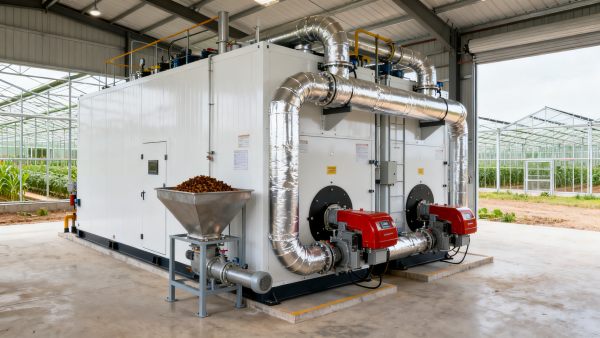
On May 29, 2026, a preparatory team from Guoyang Hi-Tech Investment in Anhui visited Wuhu Haofeng New Energy to review biomass centralized heating equipment and its technical方案 for industrial and agricultural heat substitution. The visit centered on cost-effectiveness, environmental performance, and modular delivery, and it deserves attention from equipment exporters, overseas buyers, agricultural processing users, and supply chain service providers because it points to growing interest in mature Chinese low-carbon heating systems for export-oriented application scenarios.
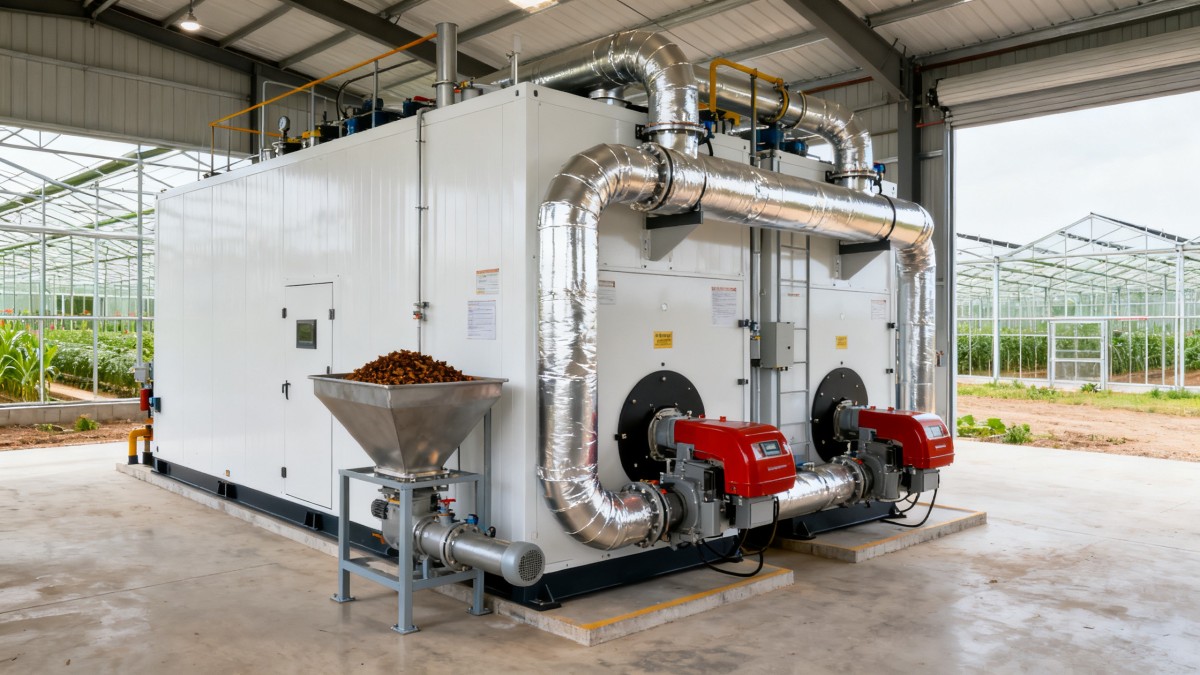
A site visit that focused on system practicality
According to the provided information, the May 29 visit involved an on-site review of biomass centralized heating equipment and related technical solutions at Wuhu Haofeng New Energy. The assessment focused on three confirmed aspects: economic viability, environmental performance, and modular delivery capability in industrial and agricultural heat replacement uses.
The same information indicates that this development signals rising visibility for mature and replicable low-carbon heating systems from China in overseas procurement discussions. The application scenarios specifically mentioned are agricultural processing, food drying, and greenhouse heating, with particular relevance to markets in Southeast Asia, the Middle East, and Latin America where gas supply is constrained or electricity prices are high.
Why different market participants may be paying attention
Equipment exporters may see a clearer demand conversation
From an industry perspective, exporters of biomass heating systems may be affected because the event highlights what overseas demand may increasingly evaluate first: whether a system can replace heat in real operating conditions, whether it is economical to run, and whether it can be delivered in modular form. The business impact is likely to fall on proposal design, export packaging of technical solutions, and pre-sales communication with buyers rather than on simple product listing.
Overseas buyers and project-side procurement teams may shift toward system-based selection
Observably, buyers in agricultural processing, food drying, and greenhouse heating may pay closer attention to complete heating solutions instead of standalone equipment. The reason is that the confirmed focus of this visit was not only the device itself, but also the technical方案 behind deployment. What deserves closer attention is whether procurement criteria begin to emphasize application fit, installation logic, and modular delivery readiness.
Manufacturers and integrators may face higher expectations on deliverability
Analysis shows that manufacturing and integration players could be influenced through delivery structure and execution standards. If modular delivery is becoming a visible point of interest, the affected links are likely to include system integration, documentation preparation, and coordination between manufacturing and deployment. The key change to watch is whether customers increasingly ask for solutions that are easier to replicate across different heat-use scenarios.
Supply chain and service providers may need to prepare for more solution-led inquiries
For logistics, after-sales, and related service partners, the signal matters because solution exports often require clearer coordination than single-unit equipment trade. The impact may appear in quotation support, scheduling, technical file preparation, and communication across delivery stages. What deserves closer attention is whether inquiries from target markets become more application-specific, especially in heat substitution projects.
What companies should watch next in practical terms
Watch how technical value is being framed
Analysis shows that three factors are currently at the center of attention: economics, environmental performance, and modular delivery. Companies following this segment should watch whether future communications, tenders, or buyer inquiries continue to revolve around these same criteria, because they may shape how projects are screened before any commercial decision is made.
Separate market signal from confirmed orders
It is more appropriate to understand this development as a market signal rather than a confirmed export result. For companies, that means avoiding overinterpretation while still preparing targeted materials for overseas discussions, especially for agricultural processing, food drying, and greenhouse heating use cases mentioned in the provided information.
Prepare documentation and communication around replicability
Observably, the phrase "mature and replicable" is central to why this event matters. In practical business terms, companies may need to strengthen how they explain system configuration, delivery boundaries, and application suitability to buyers and intermediaries. The focus should remain on what can be clearly delivered and repeated across similar scenarios.
Pay attention to market fit in gas-constrained and high-power-cost regions
From an industry perspective, the mentioned target regions—Southeast Asia, the Middle East, and Latin America—suggest where demand conversations may become more active. Companies should not assume uniform demand across all markets, but they should pay closer attention to customer communication, procurement rhythm, and delivery preparation in regions where gas shortages or high electricity costs make alternative heating systems more relevant.
How this development is best understood at this stage
Analysis shows that this news is best read as an early but meaningful export-oriented signal. It does not prove that large-scale overseas procurement has already materialized, nor does it establish a completed market shift. What it does indicate is that Chinese biomass heating systems are being viewed through the lens of practical overseas deployment in specific heat-use scenarios.
Observably, the strongest message is not about one enterprise alone, but about the kind of solution now gaining attention: low-carbon heating systems that can be assessed on operating cost, environmental attributes, and modular implementation. That combination makes this a development worth continued observation rather than a closed conclusion.
A signal worth tracking, not overstating
In summary, the May 29 visit points to rising interest in export-ready biomass heating solutions from China, especially for industrial and agricultural heat substitution scenarios overseas. For exporters, manufacturers, buyers, and service providers, the practical takeaway is to watch how application-based procurement criteria evolve in markets facing gas constraints or high electricity prices.
At the current stage, it is more appropriate to understand this as a directional industry signal with potential downstream effects on solution design, buyer communication, and delivery preparation. Whether that signal turns into broader procurement momentum still requires continued observation.
Basis of this report and points for follow-up verification
This article is based on the user-provided news title, event date, and event summary. For this type of industry update, commonly relevant source categories may include official announcements, company statements, industry association releases, authoritative media reporting, and standard-setting documents. A specific official source link was not provided in the input, so further verification is still needed.
Areas that warrant continued follow-up include whether subsequent official statements provide more detail on project direction, whether overseas procurement discussions in the named application scenarios become more concrete, and whether the focus on economics, environmental performance, and modular delivery continues to define market interest in biomass heating exports.
Related Intelligence
- Aeration & Water TechHow Water Treatment Research Guides Technology Selection for Industrial Wastewater ProjectsWater treatment research guides smarter industrial wastewater technology selection. Learn how to assess variable streams, pilot risks, compare process trains, and reduce compliance costs.
- Aeration & Water TechSelecting Solids Filtration for Aquaculture: Flow Rates, Loading, and Fish WelfareSolids filtration aquaculture guide: compare flow rates, peak loading, capture performance, maintenance, and fish welfare to choose a reliable system.
- Aeration & Water TechWhat RO water treatment systems deliver consistent 98% salt rejection at 25°C with feed TDS over 3,000 ppm?RO water treatment systems that deliver proven 98% salt rejection at 25°C with >3,000 ppm TDS—engineered for API synthesis, aquaculture & grain processing.
The Morning Broadsheet
Daily chemical briefings, market shifts, and peer-reviewed summaries delivered to your terminal.
