

The Authority in Global Agricultural Chemistry & Bio-Resources
Titanium Expo Adds RAS, Aquaculture Equipment in Yongkang
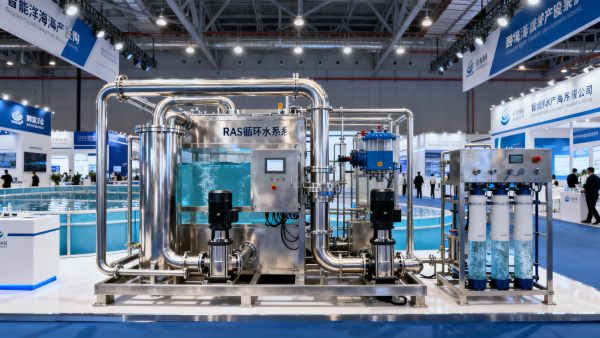
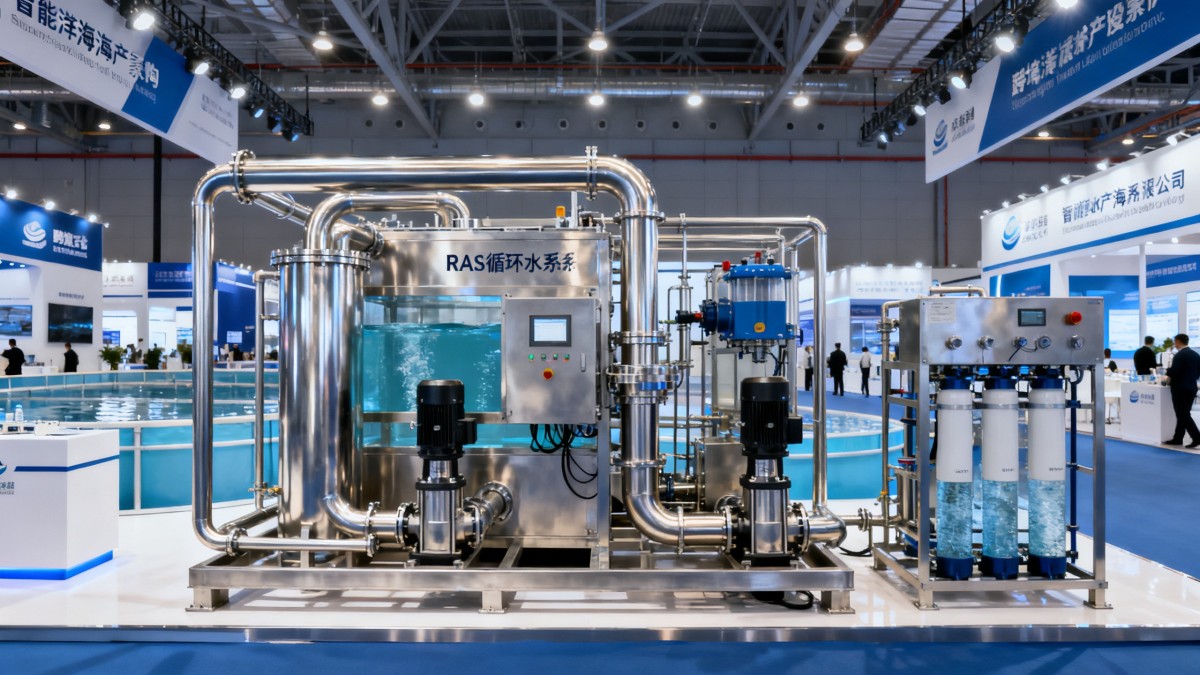
On June 20, 2026, the 2026 Titanium Industry Expo is set to open in Yongkang, Zhejiang, with a new focus on marine technology and intelligent aquaculture equipment. The addition of RAS-related systems, aeration equipment, and seawater desalination components does not by itself create a formal regulation, but it is a notable market signal for how corrosion resistance, engineering application, cross-border procurement, and product documentation are becoming more relevant in purchasing and compliance discussions. For titanium material suppliers, equipment manufacturers, importers, and export-facing service providers, the development is worth watching because it may influence how technical requirements, supplier qualification review, and delivery expectations are framed in upcoming transactions.
A new exhibition category brings aquaculture equipment into focus
According to the provided event information, the 2026 Titanium Industry Expo will be held from June 20 to 22 in Yongkang, Zhejiang, and is organized by Shuangying Holding Group.
The event will, for the first time, set up a dedicated section for marine technology and intelligent aquaculture equipment.
The confirmed display focus includes engineering applications of corrosion-resistant titanium materials in recirculating aquaculture systems (RAS), aeration equipment, and seawater desalination components.
The expo is open for registration to global buyers and attendance is free. The provided summary also states that aquaculture equipment importers from Norway, Chile, and Oman have already pre-registered.
Why procurement and compliance teams may read this as an execution signal
Technical sourcing is moving closer to application-specific review
From an industry perspective, titanium suppliers and processors may be affected because the new exhibition section links titanium not only to raw material performance but also to specific operating environments in aquaculture and water-treatment-related equipment. In practical terms, this can shift buyer attention toward application-based technical documentation, corrosion-resistance claims, and specification alignment during procurement discussions.
What deserves closer attention is whether buyers begin asking for clearer material descriptions, engineering compatibility information, and more complete product files when evaluating titanium components for RAS, aeration, or desalination use.
Equipment manufacturers may face stricter bid and delivery expectations
For equipment manufacturers, the change matters because the exhibition format places assembled systems and components in front of international buyers rather than only domestic industrial visitors. Analysis shows that this can raise the importance of document readiness in tendering, quotation, and technical exchange, especially where overseas buyers compare material durability, service conditions, and after-sales support arrangements.
The immediate business impact may appear in technical bid alignment, supplier qualification review, and delivery coordination rather than in any confirmed legal requirement announced in the event summary.
Importers and export-oriented traders should watch trade-facing requirements
For traders, importers, and export businesses, the presence of pre-registered buyers from multiple countries suggests that cross-border transactions may become a more visible part of the discussion around these product categories. Observably, that increases the practical importance of product descriptions, test-related materials, contract documentation, and consistency between marketing claims and delivered specifications.
Since no specific customs rule, certification requirement, or market-access measure is provided in the event summary, it is more appropriate to understand this as a trade signal that may lead buyers to apply stricter commercial and technical review standards in future orders.
Service and inspection-related participants may see higher documentation demand
Testing, inspection, and after-sales service participants may also be indirectly affected. Where titanium is presented in engineering applications tied to aquaculture systems and desalination components, purchasers may seek stronger traceability, maintenance documentation, and clearer records supporting performance claims. This is not a confirmed new rule in itself, but it can influence how service packages and supporting documents are requested during procurement and project delivery.
What companies should monitor before this signal turns into purchasing practice
Check whether product files match application claims
Companies presenting or supplying related products should review whether their technical materials are consistent with the actual applications being promoted. If titanium products are positioned for RAS, aeration equipment, or seawater desalination components, firms should be ready for closer scrutiny of specification language, corrosion-resistance descriptions, and engineering-use statements.
Prepare for more detailed buyer-side qualification review
Because the expo is open to global buyers and already has pre-registered importers from several countries, exporters and suppliers should pay attention to whether buyers request more detailed qualification materials. This may include product documentation, quality records, technical drawings, testing references, or after-sales commitments. The event summary does not confirm a uniform requirement, so companies should treat this as a likely area of buyer-side review rather than an established mandatory standard.
Watch for changes in procurement wording and tender documents
Analysis shows that one practical follow-up point is whether future RFQs, tender documents, or procurement lists begin to describe titanium-based aquaculture equipment in more application-specific terms. If that happens, suppliers may need to adjust how they present product scope, compatible operating conditions, component composition, and delivery boundaries.
Do not assume exhibition visibility equals regulatory acceptance
Companies should also avoid reading the new exhibition section as proof of automatic regulatory approval or market access in any destination market. The provided information confirms buyer interest and exhibition positioning, but it does not provide country-specific certification rules, import conditions, or formal compliance pathways. That distinction matters for export planning and contract execution.
How this development is best interpreted at this stage
Observably, this event is better understood as a market-facing execution signal than as a completed regulatory change. The first-time creation of a marine technology and intelligent aquaculture equipment section indicates that titanium applications in these segments are being presented in a more organized and procurement-oriented way.
At the same time, the available facts do not show that a new formal standard, certification regime, or trade rule has already taken effect. Analysis shows that the more meaningful takeaway for now is that buyers, especially international ones, may start translating application interest into tighter documentation requests, clearer technical comparisons, and more detailed qualification checks.
What the sector can reasonably conclude now
The June 20 opening of the 2026 Titanium Industry Expo in Yongkang is significant less as a standalone news item and more as an indicator of where purchasing attention may be moving. The inclusion of RAS systems and aquaculture-related equipment places titanium applications into a setting where procurement, export communication, and technical compliance may become more visible and more detailed.
It is more appropriate to understand this development as an early execution and demand signal that deserves continued observation, rather than as proof that a fully defined new rule framework has already been established.
Basis of this report and items still requiring verification
This article is based on the user-provided news title, event date, and event summary. The confirmed facts used here come only from that provided information.
For events of this type, relevant source categories typically include organizer announcements, regulator publications, customs or trade authority information, industry association releases, standard-setting documents, and reporting by established industry media. However, a specific official source link was not provided in the input, so any later interpretation should continue to be verified.
What still requires observation includes any follow-up official wording, certification or compliance interpretation, procurement document changes, buyer qualification practices, and market feedback from participating companies and registered importers.
Related Intelligence
- RAS SystemsAquaculture Filter Installation Costs: Plumbing, Labor, and CommissioningUnderstand aquaculture filter installation cost, from plumbing and labor to commissioning. Compare complete project scopes, uncover hidden expenses, and budget confidently before you buy.
- RAS SystemsAquaculture System Technologies: Comparing Ponds, Flow-Through, and RASCompare aquaculture systems technologies—ponds, flow-through, and RAS—to assess water needs, costs, and risks. Discover which system best fits your site and production goals.
- RAS SystemsSustainable Aquaculture Practices That Cut Feed Waste and Protect Fish Farm Water QualitySustainable aquaculture for fish farms: reduce feed waste, protect water quality, and build resilient, efficient systems with practical strategies.
The Morning Broadsheet
Daily chemical briefings, market shifts, and peer-reviewed summaries delivered to your terminal.
