

The Authority in Global Agricultural Chemistry & Bio-Resources
Aquaculture Filter Installation Costs: Plumbing, Labor, and Commissioning
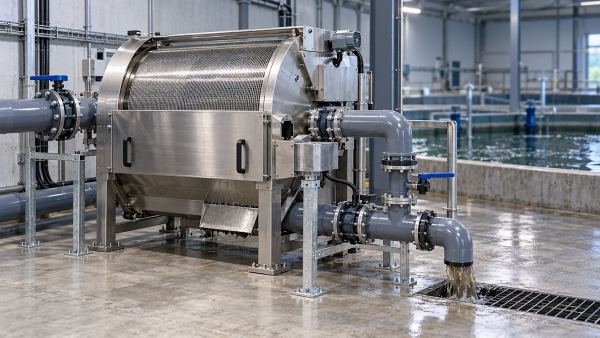
A filter’s purchase price is only part of the budget required to bring an aquaculture filtration system online. For procurement teams, aquaculture filter installation cost also includes pipework, valves, electrical connections, skilled labor, testing, and commissioning. These items can change substantially with site conditions, hydraulic constraints, and the supplier’s delivery scope.
The expensive surprises usually sit between contracts: a filter supplier assumes the buyer will provide a backwash supply, the installer excludes control integration, or nobody has allowed for temporary filtration during a shutdown. Comparing equipment prices alone leaves those gaps invisible. A useful budget starts by defining what “installed and operational” means—and who is responsible for getting there.
Start with the installation boundary, not a percentage allowance
There is no dependable universal installation-to-equipment cost ratio for aquaculture filters. A skid-mounted unit placed beside existing connections is a different project from a gravity-fed drum filter requiring channel modifications, concrete work, and a revised water-level profile. Applying the same percentage to both can distort the purchasing decision.
Before requesting prices, separate the project into three commercial boundaries:
- Equipment supply: the filter, included accessories, factory-mounted instruments, control panel, and documentation.
- Site installation: delivery handling, placement, supports, pipework, wiring, drainage, and connections to existing infrastructure.
- Operational handover: inspection, functional testing, control integration, operator training, and agreed performance verification.
Ask each bidder to mark every item as included, excluded, optional, or buyer-supplied. “Installation assistance” should never be accepted as a substitute for a defined scope: it might mean a technician supervising your contractor rather than a team completing the installation.
Where aquaculture filter installation cost actually accumulates
Keep freight, import charges where applicable, taxes, and owner-side project management visible as separate budget lines. They may not belong to the installation contractor’s scope, but they still affect the funding needed to reach operational handover.
Plumbing: the pipe route matters as much as the connection size
A filter’s inlet and outlet diameters do not describe the complete plumbing requirement. Buyers also need connection elevations, allowable operating pressure, expected flow range, and head-loss information under relevant operating conditions. For gravity-fed equipment, a small elevation mismatch can force significant changes to channels or tank levels.
Request a preliminary hydraulic layout showing actual pipe lengths, fittings, valves, and available head. Assess the filter within the system curve rather than treating its rated flow as a guaranteed site result. Additional resistance can reduce circulation or require a pump change, bringing both capital and energy consequences.
Material selection also changes installed cost. PVC, polyethylene, and stainless steel involve different joining methods, support requirements, and labor skills. Suitability depends on factors including salinity, temperature, pressure, chemical exposure, and local requirements—not simply the cheapest price per length of pipe.
Backwash and sludge disposal deserve their own scope. Confirm the required water supply, pressure, discharge routing, and receiving capacity. Where waste discharge is regulated, treatment or containment requirements must be checked locally. A filter that fits the process line can still be costly to install if its waste stream has nowhere suitable to go.
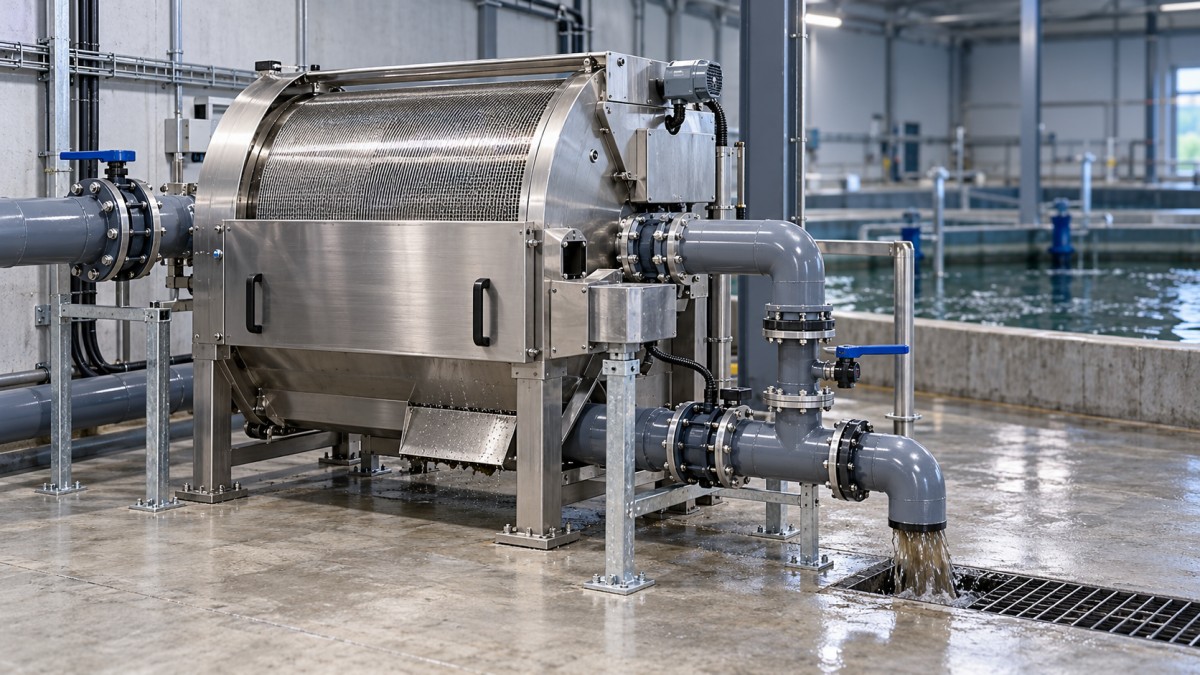
Labor: count the work around the installation
Direct assembly is only one part of site labor. Crews may need to unload equipment, arrange lifting, isolate existing systems, drain lines, remove old components, prepare supports, and restore service. In an operating fish farm, these tasks often determine the schedule.
A practical labor estimate separates crew hours by trade from supervision, mobilization, equipment hire, and specialist attendance. Ask contractors to state their assumed working hours, crew composition, and access conditions. This makes a low estimate easier to challenge without guessing whether the contractor has simply omitted essential work.
For brownfield installations, identify how water quality and circulation will be maintained during the changeover. Temporary pumping, bypass pipework, standby equipment, and out-of-hours labor may be justified where livestock remains onsite. These are operational protection costs, not optional extras to discover after the purchase order is issued.
Electrical and controls: “panel included” is not “connected”
A supplied control panel may operate the filter locally while excluding the incoming power connection, field wiring, remote alarms, or integration with the farm’s supervisory system. Confirm voltage, frequency, connected load, protective arrangements, and which party terminates and tests each cable.
Wet, saline, and washdown environments require suitable enclosures, cable entries, and corrosion-resistant installation details. The applicable electrical rules depend on the jurisdiction. Specifications should identify the required environmental protection and installation standard rather than assuming that any factory-built panel is suitable for the site.
Control integration needs a signal list and a cause-and-effect description. What happens at high water level, loss of flow, motor overload, or failed backwash? Who programs the response, and who proves it works? Resolving these questions before award is usually simpler than arranging changes while several contractors are waiting onsite.
Commissioning is a deliverable—not a single startup visit
“Commissioning included” is meaningful only when the activities, attendance, and acceptance criteria are defined. Mechanical completion, successful equipment operation, and stable process performance are different milestones.
For mechanical filtration, commissioning may cover leak checks, rotation checks where relevant, instrument verification, backwash sequencing, flow adjustment, alarm tests, and operation under agreed loading conditions. Performance assessment should specify the sampling method, measurement locations, operating conditions, and responsibilities for testing.
Biological filtration requires a different timeline. A correctly installed biofilter is not necessarily biologically mature. Establishing treatment capacity depends on temperature, water chemistry, loading, media, and the startup method. Procurement teams should separate mechanical handover from biological process acceptance and clarify who manages the intervening period.
UV and ozone treatment components, if included in the filtration package, introduce additional verification and safety requirements. Their commissioning scope should address the relevant operating conditions and protective functions rather than borrowing acceptance criteria from a mechanical screen.
Before signing, request a commissioning schedule that identifies:
- Prerequisites, including available water, power, drainage, and completed installation checks.
- Supplier and buyer responsibilities during testing.
- Included technician days, travel, accommodation, and remote support.
- Training scope, operating procedures, and maintenance documentation.
- Acceptance records, outstanding-item handling, and the basis for any return visit.
Clarify warranty commencement separately. Shipment, mechanical completion, and acceptance may occur on different dates; the contract should state which event starts the warranty and what happens if startup is delayed.
Build a budget that can survive a site survey
A defensible estimate follows a simple structure:
Total installed project budget = equipment supply + delivery and handling + site works + mechanical installation + electrical and controls + commissioning + owner costs + risk allowance.
Keep the risk allowance separate from defined work. Known requirements, such as a new concrete base or backwash line, belong in the base estimate. Contingency should address uncertainty, not conceal an incomplete scope.
At an early stage, list unresolved issues beside the estimate: unverified pipe routes, unknown floor capacity, uncertain shutdown duration, or an incomplete controls interface. As surveys and design work resolve those issues, update the associated allowances. A documented range is more useful than a precise-looking total built on assumptions nobody has checked.
For labor pricing, request estimated hours multiplied by applicable rates, with overtime and specialist attendance identified separately. For plumbing, seek a quantity-based breakdown of major pipe sizes, valves, and fittings. Contractors may retain proprietary estimating detail, but the commercial proposal should still reveal the main cost drivers.
Compare bids on one operating scope
The cheapest quotation can remain the best choice—but only after exclusions are normalized. Create a bid comparison sheet with identical rows for equipment, connections, lifting, civil works, controls, testing, training, and documentation. Add the estimated buyer cost of excluded work to each proposal before comparing totals.
Consider two offers: one includes a factory-assembled skid with internal piping and controls; another supplies separate components at a lower purchase price. The second may be attractive where local fabrication is economical and the buyer has strong engineering support. The first may reduce site work and interface risk. Neither arrangement is inherently cheaper once fully installed.
Evaluate maintenance access at the same time. A layout that saves pipework by placing equipment against a wall may obstruct screen removal, media handling, or valve maintenance. Check service clearances and removal routes before approving the arrangement, not after the equipment has been anchored.
Questions worth closing before purchase approval
- Are design flow, solids loading assumptions, water characteristics, and operating levels documented?
- Has the supplier reviewed the proposed installation arrangement and hydraulic conditions?
- Are all utility connections and waste discharge requirements assigned to a named party?
- Does the site contractor’s price include lifting, supports, testing, and reinstatement?
- Is temporary operation during the changeover included where needed?
- Are commissioning conditions, acceptance criteria, and repeat-visit charges clear?
- Have local permitting, electrical, structural, and discharge requirements been checked?
Buy a defined handover, not an unfinished connection
The strongest purchasing decision is not based on the lowest filter price or the smallest installation allowance. It is based on a complete, technically credible route from delivery to accepted operation.
Before committing funds, reconcile three documents: the supplier’s scope, the installer’s scope, and the commissioning plan. Every connection, test, and responsibility should appear somewhere—and conflicting assumptions should be resolved. That discipline makes aquaculture filter installation cost easier to compare, reduces avoidable change orders, and gives the operating team a clearer path to startup.
Related Intelligence
- RAS SystemsAquaculture Filter Installation Costs: Plumbing, Labor, and CommissioningUnderstand aquaculture filter installation cost, from plumbing and labor to commissioning. Compare complete project scopes, uncover hidden expenses, and budget confidently before you buy.
- RAS SystemsSustainable Aquaculture Practices That Cut Feed Waste and Protect Fish Farm Water QualitySustainable aquaculture for fish farms: reduce feed waste, protect water quality, and build resilient, efficient systems with practical strategies.
- RAS SystemsDrum Filter System Price: How Flow Rate, Micron Rating, and Automation Affect CostDrum filter system price depends on flow rate, micron rating, automation, materials, and lifecycle costs. Compare quotes confidently and choose the right system.
The Morning Broadsheet
Daily chemical briefings, market shifts, and peer-reviewed summaries delivered to your terminal.
