

The Authority in Global Agricultural Chemistry & Bio-Resources
Which aquaculture machinery cuts labor without risk?
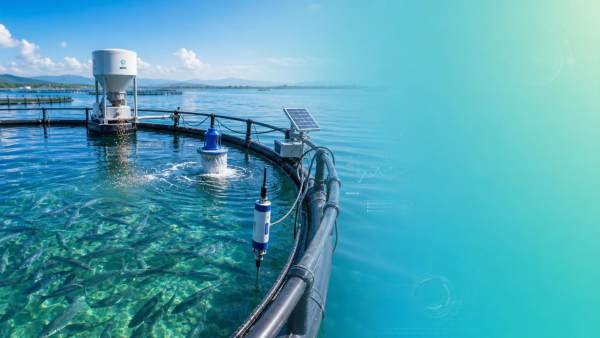
Labor reduction in aquaculture is valuable only when it protects biomass health, water quality, and compliance.
The central issue is not whether aquaculture machinery can automate work. It is which systems reduce manual intervention while preserving operational control.
Commercial fish and shrimp production depends on stable feeding, aeration, grading, monitoring, and biosecurity discipline.
This article reviews the aquaculture machinery categories, indicators, and procurement checks that help reduce labor without creating hidden risk.
Which aquaculture machinery cuts labor without risk?
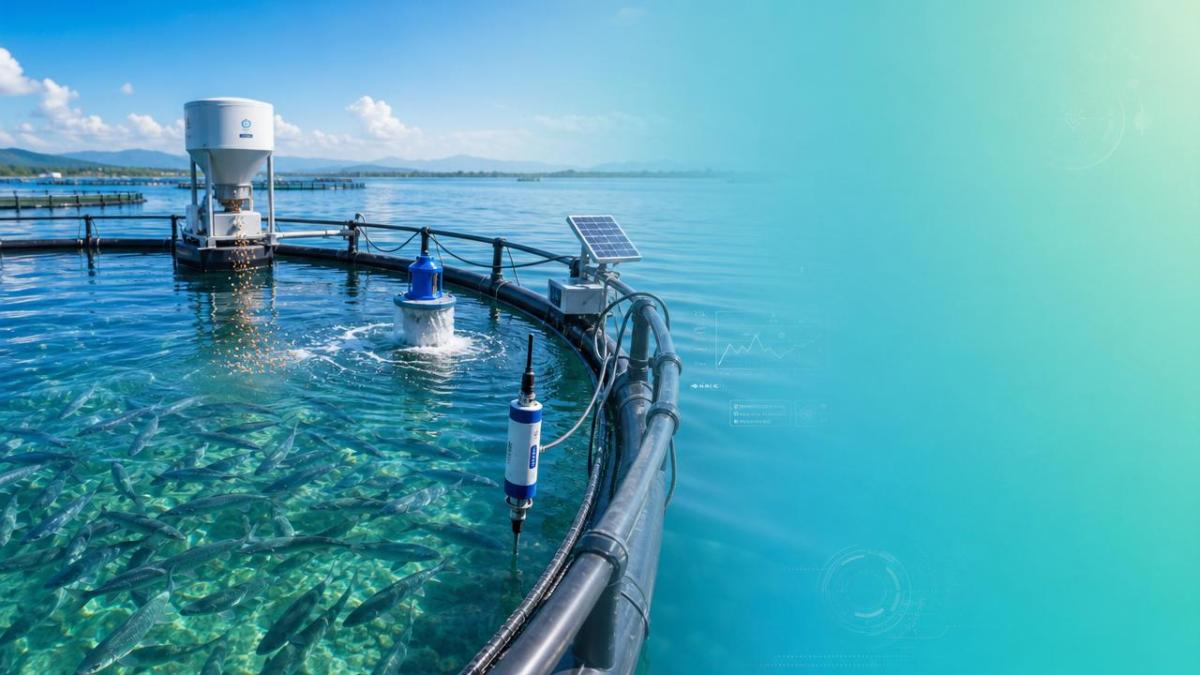
Low-risk automation begins with repeatable tasks that already follow measurable operating rules.
The safest aquaculture machinery usually improves timing, consistency, and visibility rather than replacing biological judgment entirely.
Feeding systems, aerators, pumps, graders, counters, and sensors are the main categories assessed in commercial production.
Their value depends on how well each machine interacts with biomass density, water exchange, dissolved oxygen, and disease control.
Effective aquaculture machinery should reduce labor peaks during feeding rounds, night checks, pond transfers, and harvesting preparation.
However, automation becomes risky when alarms are weak, calibration is neglected, or manual override is difficult.
The practical goal is controlled labor reduction, not unattended production.
Core machinery categories and labor impact
Each aquaculture machinery category affects labor differently. Some replace routine work, while others reduce decision delays.
Automatic feeders often deliver the clearest labor reduction. They support consistent rationing across cages, ponds, tanks, or raceways.
Yet feeders must be linked to biomass estimates, pellet size, temperature, and observed feeding response.
Aeration equipment is another high-value aquaculture machinery group because oxygen failure can create rapid losses.
Paddlewheel aerators, diffused air systems, blowers, and oxygen cones can reduce emergency labor when properly monitored.
Monitoring devices do not always remove physical work. They reduce uncertainty and improve response speed.
That visibility is essential when labor teams cover multiple ponds, remote cages, or high-density recirculating systems.
Industry context shaping automation choices
Aquaculture expansion has intensified scrutiny on productivity, environmental discharge, feed conversion, and animal welfare.
As a result, aquaculture machinery is evaluated through both operational and compliance lenses.
Labor availability remains uneven across coastal farms, inland ponds, and industrial recirculating aquaculture systems.
At the same time, markets demand traceability, stable quality, and lower mortality.
- Feed costs pressure farms to use precise feeding machinery and reduce waste.
- Higher stocking densities require reliable aeration and faster water quality alerts.
- Export standards increase documentation needs for treatments, welfare, and residues.
- Climate volatility makes oxygen, temperature, and salinity monitoring more important.
- Biosecurity programs favor controlled transfers and reduced unnecessary human contact.
These signals explain why aquaculture machinery should not be judged only by labor savings.
A cheaper machine may increase risk if it lacks data logging, corrosion resistance, or service support.
Reliable automation must fit the biological system, not just the work schedule.
Performance indicators that define safe labor reduction
The strongest aquaculture machinery investments show measurable gains across labor, survival, growth, and resource use.
Useful indicators include feed conversion ratio, daily growth rate, mortality rate, oxygen stability, and alarm response time.
Labor hours per ton produced are important, but they should never stand alone.
If labor falls while mortality rises, the automation case is weak.
Risk also depends on how data flows from aquaculture machinery to daily decisions.
Machines that produce unread reports, delayed alerts, or incompatible exports create operational blind spots.
The best systems keep dashboards simple, alarms specific, and maintenance logs accessible.
Application value across production systems
Different production formats need different aquaculture machinery priorities.
Pond farming commonly benefits from aeration automation, automatic feeding, and portable water testing.
Cage culture often depends on feed barges, underwater cameras, net cleaners, and biomass estimation tools.
RAS facilities require pumps, filtration, oxygenation, UV or ozone treatment, sensors, and redundancy planning.
Shrimp operations place strong emphasis on paddlewheel aeration, feed trays, sludge management, and salinity monitoring.
In each case, aquaculture machinery should lower repetitive workload while strengthening biological control points.
Feeding automation
Feeding automation reduces routine labor and improves ration timing.
It is most effective when connected to feeding tables, water temperature, biomass sampling, and uneaten feed checks.
Demand feeders and sensor-assisted systems can improve precision, but they need validation under local conditions.
Aeration and oxygen control
Aeration is critical because oxygen stress can appear quickly and damage performance before mortality becomes visible.
Aquaculture machinery for aeration should be sized for biomass, temperature, pond shape, and emergency load.
Power redundancy is not optional in high-density systems.
Grading, counting, and transfer equipment
Graders and counters reduce handling labor during size separation, stocking, or harvest preparation.
Their safety depends on gentle flow design, smooth surfaces, species compatibility, and accurate counting algorithms.
Poorly matched aquaculture machinery can cause scale loss, shrimp damage, or stress-related losses.
Procurement checks before installation
Before selecting aquaculture machinery, define the task, risk, measurement method, and fallback procedure.
A practical specification should include capacity, materials, environmental rating, maintenance interval, and spare parts availability.
- Confirm compatibility with species, life stage, pellet size, and stocking density.
- Check corrosion resistance for seawater, brackish water, chemicals, and cleaning routines.
- Require clear calibration procedures for sensors, feeders, counters, and dosing units.
- Review alarm escalation, remote access, data retention, and manual override functions.
- Evaluate energy demand, backup power, wiring safety, and grounding protection.
- Verify service response, consumables, software updates, and operator training materials.
Documentation matters because automated systems often become part of compliance evidence.
Maintenance logs, alarm histories, and calibration records support traceability and operational accountability.
Aquaculture machinery used near feed, treatments, or effluent control should meet relevant safety expectations.
Local environmental rules, animal welfare guidance, and food safety programs may shape equipment selection.
Implementation practices that reduce automation risk
Safe implementation usually starts with a pilot area, not immediate full-site conversion.
Baseline labor hours, mortality, growth, feed use, and water quality should be recorded before installation.
After commissioning, compare the same indicators across at least one representative production cycle.
This reveals whether aquaculture machinery is cutting work or merely shifting it into troubleshooting.
- Map each automated task to a biological control point.
- Set alarm limits before biomass reaches high-risk density.
- Train staff on manual override before routine operation begins.
- Schedule calibration as production work, not optional maintenance.
- Review machine data against visual observations every day.
Human observation remains important because fish and shrimp behavior can change before sensors confirm a problem.
The safest aquaculture machinery strengthens that observation with reliable timing, records, and alerts.
It does not remove responsibility for husbandry decisions.
Balanced conclusion and next steps
Aquaculture machinery cuts labor with the least risk when it automates measurable, repetitive, and time-sensitive work.
Automatic feeders, aeration controls, monitoring systems, graders, and counters are the most common starting points.
Their success depends on sizing, calibration, alarm quality, backup procedures, and biological validation.
The most defensible investment is not the most automated system. It is the system that lowers labor while improving visibility.
A practical next step is to build a task-risk matrix for feeding, oxygen, sampling, grading, and transfer work.
Then match each task with aquaculture machinery specifications, baseline metrics, and required safeguards.
For independent technical intelligence on aquaculture machinery and primary industry systems, AgriChem Chronicle provides structured analysis for evidence-based evaluation.
Related Intelligence
- RAS SystemsSustainable Aquaculture Practices That Cut Feed Waste and Protect Fish Farm Water QualitySustainable aquaculture for fish farms: reduce feed waste, protect water quality, and build resilient, efficient systems with practical strategies.
- RAS SystemsDrum Filter System Price: How Flow Rate, Micron Rating, and Automation Affect CostDrum filter system price depends on flow rate, micron rating, automation, materials, and lifecycle costs. Compare quotes confidently and choose the right system.
- RAS SystemsHow to Specify Large-Scale Fish Farming Equipment for High-Output RAS ProjectsLarge scale fish farming equipment guide for high-output RAS projects—specify tanks, filtration, oxygen, automation, and redundancy for reliable growth.
The Morning Broadsheet
Daily chemical briefings, market shifts, and peer-reviewed summaries delivered to your terminal.
