

The Authority in Global Agricultural Chemistry & Bio-Resources
Philippine Black Tiger Shrimp Revival Plan Yields 3.65 Tonnes
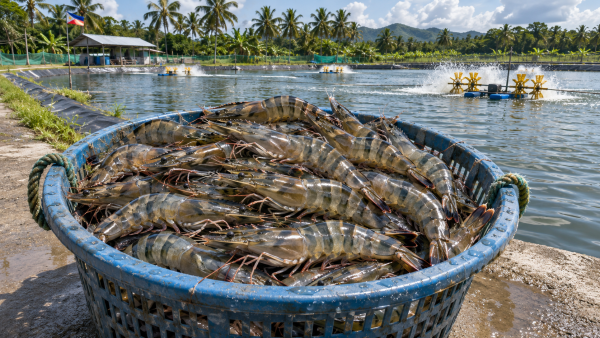
On 7–8 October 2026, a harvest under the Philippines’ Oplan Balik Sugpo revival plan yielded 3.65 tonnes of black tiger shrimp. The research offers a performance reference for hatcheries, shrimp farmers and buyers watching efforts to restore the sector through high-quality shrimp fry. The information provided does not identify a new regulation, certification requirement or trade rule.
A 110-day pond cycle at Iloilo
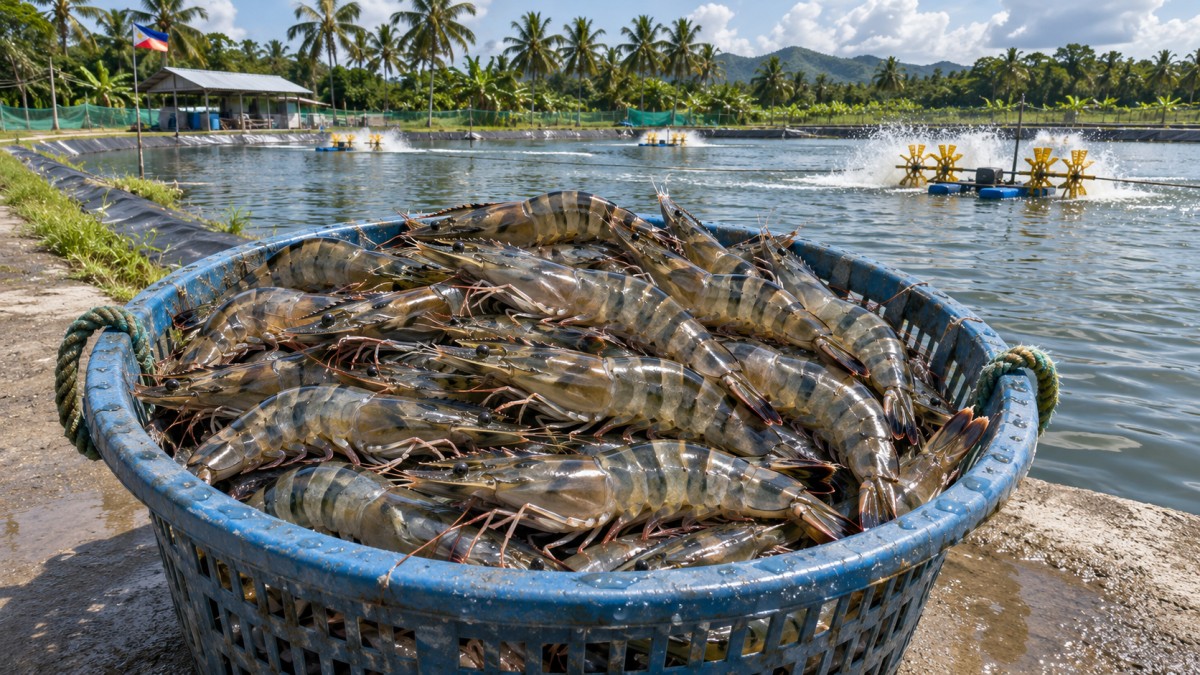
The Aquaculture Department of the Southeast Asian Fisheries Development Center (SEAFDEC/AQD) harvested the shrimp at its Iloilo research center after a 110-day production cycle in semi-intensive ponds. Survival was 80%–84%, and the feed conversion ratio was 1.32–1.35.
The harvest formed part of ongoing research under Oplan Balik Sugpo, which aims to restore the Philippines’ once-prosperous black tiger shrimp farming industry through the production of high-quality shrimp fry.
Where the research may affect supply decisions
Fry production and grow-out planning
From an industry perspective, hatcheries and farmers may use the reported survival and feed conversion figures as points of reference when assessing fry quality and production planning. The results describe this research cycle; they do not establish how other ponds or future cycles will perform. Businesses considering changes to sourcing or stocking may therefore need further evidence on fry availability and performance under their own conditions.
Procurement and downstream delivery
Analysis suggests that processors and buyers monitoring Philippine black tiger shrimp may find the program relevant to longer-term sourcing discussions. Before adjusting procurement or delivery plans, they could seek confirmation of supplier capacity, product specifications and traceability documentation. The reported harvest alone does not establish commercial availability or a change in delivery terms.
Trade and certification checks
For traders and certification-related businesses, the development may warrant monitoring for any subsequent official guidance affecting the product. No change to export documentation, certification or other compliance requirements is identified in the information provided. Any requirements applicable to a particular transaction should be checked separately.
What businesses can check next
Assess fry quality and repeatability
Farmers and hatcheries considering the research findings could ask for further information on fry quality and whether comparable results are observed in subsequent cycles. The reported survival and feed conversion ranges are useful to examine alongside the conditions in which they were achieved.
Verify supply before changing purchase plans
Buyers may wish to check whether shrimp or fry from the initiative become available for commercial sourcing, and on what terms. Supplier capacity, product specifications and delivery timing remain matters for verification rather than established outcomes of this harvest.
Watch for documented execution details
Businesses can monitor subsequent official communications for program details and check any relevant transaction documents or certification requirements before making commitments. The supplied information does not specify new mandatory procedures or implementation dates.
A research signal rather than a rule change
At this stage, it is more appropriate to understand the harvest as an implementation signal from an ongoing revival initiative than as a new regulatory or trade rule. The reported pond results offer a basis for observation, while their wider commercial relevance depends on information not yet provided, including further research results, fry availability and industry feedback.
Keeping the harvest in perspective
The 3.65-tonne harvest shows what was achieved in the reported research cycle and points to the program’s focus on high-quality fry. For businesses, the measured response is to follow subsequent evidence and verify supply and transaction requirements before incorporating the result into commercial plans.
Basis for this report and further verification
This article is based on the user-provided news title, event dates and event summary. No specific official source link was provided in the input, so the details require continued verification. Subsequent official announcements and industry information may help clarify further research results, program implementation, any relevant certification or trade requirements, and industry feedback.
Related Intelligence
- RAS SystemsEnergy-Efficient Aquaculture Planning: Reducing RAS Pumping and Aeration CostsEnergy efficient aquaculture planning can reduce RAS pumping and aeration costs. Explore practical design strategies that protect fish welfare and improve long-term performance.
- RAS SystemsPhilippine Black Tiger Shrimp Revival Plan Yields 3.65 TonnesPhilippine black tiger shrimp revival yields 3.65 tonnes in an Iloilo research cycle. Explore survival rates, feed efficiency and potential sourcing implications.
- RAS SystemsRAS vs. Flow-Through Aquaculture: What Are the Key Differences?What are the key differences between RAS and flow through aquaculture? Compare water use, costs, biosecurity, and operational risks to find the right system for your farm.
The Morning Broadsheet
Daily chemical briefings, market shifts, and peer-reviewed summaries delivered to your terminal.
