

The Authority in Global Agricultural Chemistry & Bio-Resources
FDA Sets AQ-2026 Rule for Imported RAS Systems
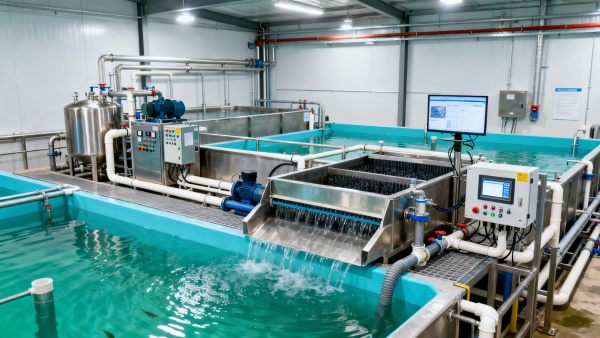
On July 9, 2026, the U.S. Food and Drug Administration put into effect a new validation protocol for recirculating aquaculture systems (RAS), requiring imported system equipment and integrated solution providers to obtain AQ-2026 biosecurity certification. The update deserves close attention from RAS equipment makers, module suppliers, system integrators, procurement teams, and companies serving U.S. public-sector aquaculture demand, because the rule links market access directly to biosecurity validation, real-time monitoring capability, and audit-readiness.
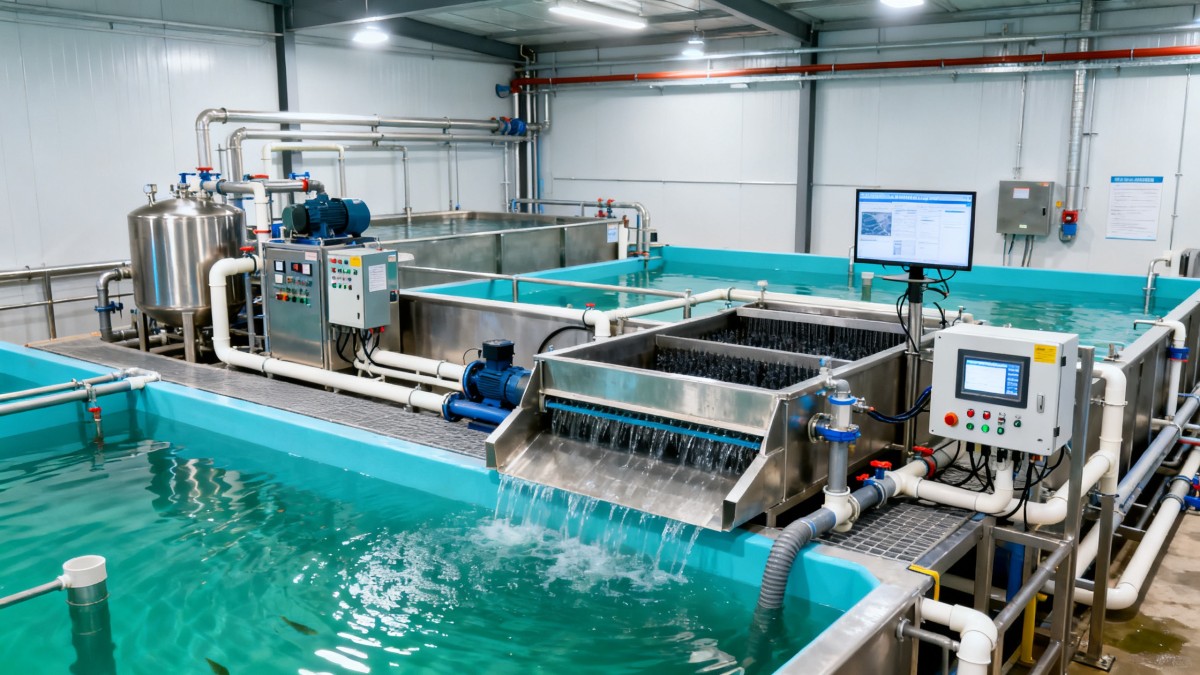
What the New FDA Protocol Explicitly Requires
The confirmed change is tied to the FDA document titled Recirculating Aquaculture Systems – Biosecurity Validation Protocol v1.2, which took effect on July 9, 2026. Under the rule, all imported RAS system equipment and integrated solution providers must obtain AQ-2026 certification.
The stated certification scope includes pathogen blocking validation, real-time microbial load monitoring, and remote audit interface standards. The requirement applies not only to complete systems but also to core modules, including examples such as solid-liquid separators and biofilter controllers.
The commercial consequence stated in the input is clear: products without certification will not be able to enter the U.S. federal aquaculture procurement directory.
Where the Pressure Will Likely Show Up First
Imported equipment and integrated solution providers face an immediate compliance gate
From an industry perspective, this is the most direct point of impact because the rule is aimed at imported RAS equipment and integrated solutions. The practical effect is likely to center on product eligibility, certification preparation, and the ability to demonstrate that both system-level and module-level offerings meet the AQ-2026 requirement.
Core module suppliers may no longer be treated as peripheral to compliance
Observably, the inclusion of components such as solid-liquid separators and biofilter controllers means compliance pressure is not limited to complete system vendors. Suppliers of critical modules may need to pay closer attention to how their products fit into certification pathways, especially where monitoring functions or audit interfaces are relevant to the delivered configuration.
Procurement-side users will need to verify qualification earlier in the buying cycle
For procurement teams and buyers linked to federal aquaculture purchasing, the main issue is not only technical suitability but also whether a product can remain eligible for listing and purchasing. What deserves closer attention is the shift from equipment comparison alone to equipment-plus-certification review during vendor selection and specification approval.
Service and supply-chain partners may see added documentation demands
Analysis shows that companies involved in delivery support, documentation handling, and project coordination may be affected through longer qualification checks and tighter evidence requirements. Even where they are not the certification holder, they may be pulled into timelines related to audit interfaces, module traceability, or customer-facing compliance communication.
What Companies Should Watch in Practical Terms
Track how certification language is applied to specific product categories
The rule names complete systems and core modules, but the operational question for many companies will be how product scope is interpreted in actual transactions and technical submissions. Businesses should pay close attention to whether their offering is presented as a full system, a core module, or part of an integrated solution package.
Review whether current products can support the required validation points
The input makes clear that AQ-2026 covers pathogen blocking validation, real-time microbial load monitoring, and remote audit interface standards. Companies should therefore focus on whether existing equipment documentation, monitoring functions, and interface readiness are sufficient for certification-related review and customer due diligence.
Prepare customer communication around eligibility and delivery risk
For sales, bid, and account teams, a practical issue is how to address buyer questions on certification status, covered modules, and procurement eligibility. Where projects involve U.S. federal purchasing channels, the distinction between technically available products and procurement-eligible products may become commercially significant.
Check supplier credentials and supporting records before project commitments
For integrators and downstream purchasers, the immediate risk may sit in upstream documentation rather than in product design alone. Supplier qualification records, certification status, and module-level compliance materials are likely to become more important during quotation, contracting, and delivery planning.
Why This Reads as More Than a Routine Technical Update
Analysis shows that this development should be understood as a concrete compliance change rather than a symbolic policy statement, because the input links the protocol directly to certification and federal procurement eligibility. At the same time, it is more appropriate to understand this as an operational market-access signal than as a complete picture of broader market impact, since the provided information is limited to the rule itself and does not confirm how implementation will unfold across every buyer segment.
Observably, the most important point is that biosecurity validation is being defined through measurable requirements such as pathogen blocking, real-time microbial monitoring, and remote audit interface capability. That suggests industry attention may increasingly move toward verifiable compliance architecture, not only conventional equipment performance claims.
How to Read the Current Signal
At this stage, the update is best understood as an immediate regulatory requirement with longer-term significance for how imported RAS systems are evaluated in the U.S. market. The confirmed result is limited but material: AQ-2026 certification is required for the covered products, and uncertified products cannot enter the federal aquaculture procurement directory. The broader commercial effects still need continued observation, but the compliance threshold itself is already clear from the information provided.
Basis of This Article and What Still Needs Verification
This article is based on the user-provided news title, event date, and event summary concerning the FDA's July 9, 2026 implementation of Recirculating Aquaculture Systems – Biosecurity Validation Protocol v1.2 and the AQ-2026 certification requirement for imported RAS systems and core modules.
For this type of industry update, commonly relevant source categories may include official agency notices, company disclosures, industry association releases, authoritative media coverage, and standards-related documents. A specific official source link was not provided in the input, so the underlying document text and any later interpretive guidance still require ongoing verification. Follow-up attention should focus on any further official wording, category-specific application details, and implementation signals affecting procurement and certification practice.
Related Intelligence
- RAS SystemsSustainable Aquaculture Practices That Cut Feed Waste and Protect Fish Farm Water QualitySustainable aquaculture for fish farms: reduce feed waste, protect water quality, and build resilient, efficient systems with practical strategies.
- RAS SystemsDrum Filter System Price: How Flow Rate, Micron Rating, and Automation Affect CostDrum filter system price depends on flow rate, micron rating, automation, materials, and lifecycle costs. Compare quotes confidently and choose the right system.
- RAS SystemsHow to Specify Large-Scale Fish Farming Equipment for High-Output RAS ProjectsLarge scale fish farming equipment guide for high-output RAS projects—specify tanks, filtration, oxygen, automation, and redundancy for reliable growth.
The Morning Broadsheet
Daily chemical briefings, market shifts, and peer-reviewed summaries delivered to your terminal.
