

The Authority in Global Agricultural Chemistry & Bio-Resources
Aquaculture Tools Checklist: What Operators Need for Daily Pond Management
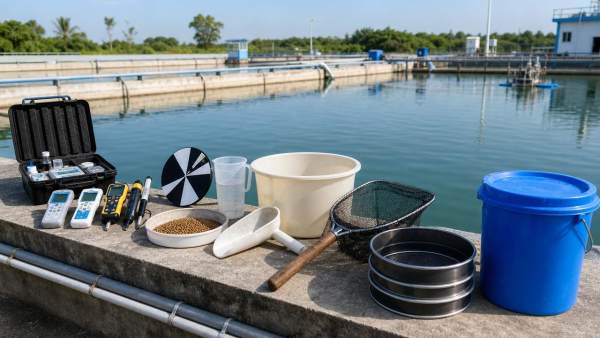
What counts as essential aquaculture tools in daily pond work?
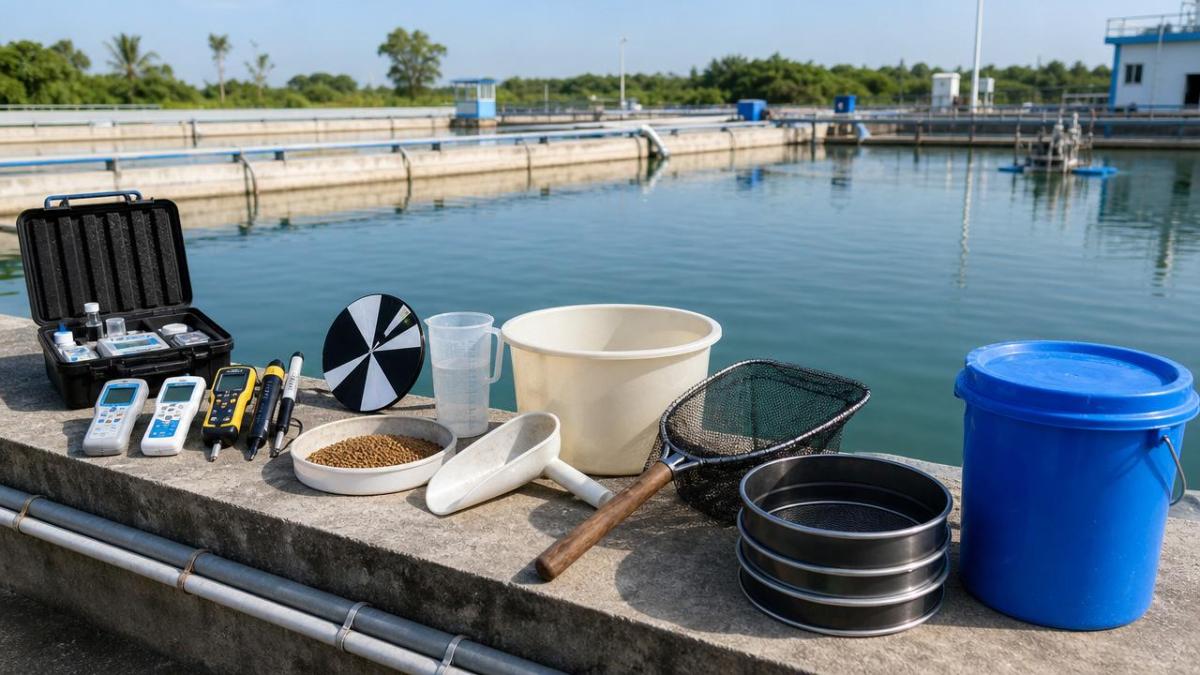
Efficient pond management rarely depends on one machine. It depends on a coordinated set of aquaculture tools used every day, often in short, repeated checks.
In practice, the basic checklist starts with water testing gear, feeding tools, net handling equipment, cleaning supplies, and recordkeeping devices.
That may sound simple, yet many avoidable losses begin with one missing item. A faulty meter, torn seine, or clogged feeder can disrupt an entire pond cycle.
For that reason, aquaculture tools should be viewed as an operating system, not as isolated purchases. Each tool supports a decision about health, oxygen, feed, or biomass.
A useful daily set usually includes the following:
- Dissolved oxygen meter or probe
- pH meter and temperature thermometer
- Ammonia, nitrite, and alkalinity test kits
- Secchi disk for water clarity checks
- Feed scoop, feed tray, or automatic feeder controls
- Seine nets, dip nets, grading screens, and repair twine
- Buckets, sample tubs, gloves, and disinfection tools
- Log sheets, mobile apps, or sensor dashboards
The larger the pond system, the more important consistency becomes. Reliable aquaculture tools reduce guesswork and make daily observations comparable across ponds and seasons.
Which water quality tools should never be missing from the pond bank?
If one category deserves top priority, it is water monitoring. Fish stress often starts in the water long before it appears in feeding behavior.
The most important aquaculture tools here are dissolved oxygen meters, pH meters, temperature sensors, and basic chemical test kits.
Dissolved oxygen should be checked early in the morning and again during risk periods. A single low reading can explain poor appetite, slow growth, or sudden surface gasping.
pH and temperature matter because they affect fish metabolism and the toxicity of ammonia. Readings only become useful when they are collected regularly and logged.
More advanced systems may add online sensors. Even then, handheld aquaculture tools remain essential for calibration and spot verification.
A practical judging table helps separate must-have items from useful extras:
This is where technical discipline matters. Publications covering aquaculture and regulated primary industries often stress the same point: measured data is more reliable than visual assumption.
How do feeding and biomass tools improve daily decisions?
Feeding errors are expensive because they affect both growth and water quality. The right aquaculture tools help decide not only how much feed to give, but when to stop.
Feed trays are still valuable in many pond systems. They show whether fish are actively consuming feed or leaving waste behind.
Manual scoops and calibrated containers also matter. Without them, staff often estimate feed by sight, which leads to daily overfeeding drift.
Where labor is limited, automatic feeders can stabilize timing. Still, they work best when paired with observation, not as a substitute for it.
Biomass estimation tools support better ration planning. Common options include sample nets, measuring boards, digital scales, and simple weight conversion charts.
A small sampling routine can prevent major feed miscalculations:
- Sample fish from more than one pond zone
- Record average weight and size variation
- Adjust feed rate after water readings, not before
- Compare leftovers with previous days
In real operations, feeding tools become management tools. They connect appetite, biomass, oxygen demand, and feed conversion in one daily decision loop.
What netting, cleaning, and maintenance tools are easy to underestimate?
Many losses come from routine wear rather than dramatic failure. Torn nets, dirty sampling tubs, or broken handles can quietly undermine fish handling and biosecurity.
That is why practical aquaculture tools include more than meters and feeders. Durable dip nets, seine nets, grading panels, repair kits, brushes, and disinfectant sprayers deserve equal attention.
Soft knotless nets help reduce scale damage. Fine mesh may suit fry, while heavier netting is better for larger fish and rougher pond edges.
Cleaning tools are often overlooked until a disease event occurs. Buckets, boots, gloves, and measuring containers should be easy to wash and assign by pond area when possible.
Need repair kits close to the pond bank. Waiting until the end of the week usually means a small tear becomes a failed harvest net.
A simple maintenance rhythm works better than occasional deep checks:
- Rinse and dry nets after use
- Inspect meter probes for fouling
- Check feeder parts for bridging or blockage
- Replace cracked buckets and damaged hoses
- Store disinfection supplies away from feed
These are not glamorous aquaculture tools, but they often decide whether daily pond work stays controlled or becomes reactive.
When choosing aquaculture tools, what separates a smart buy from a costly mistake?
The best tool is not always the most advanced one. A smart choice fits pond size, species, water conditions, maintenance ability, and replacement access.
For example, a high-end sensor package may look efficient, yet a rugged handheld kit can be more dependable where calibration support is limited.
More useful buying criteria usually include:
- Measurement accuracy under field conditions
- Ease of cleaning and calibration
- Availability of probes, batteries, and spare parts
- Chemical resistance and material durability
- Compatibility with record systems or digital logs
This broader view reflects how serious industrial sectors assess equipment. Whether the subject is aquaculture systems or regulated chemical supply chains, traceability and verification matter.
That mindset also aligns with the editorial approach seen in technical journals covering aquaculture, machinery, and compliance. The emphasis is on proven performance, not vague claims.
If a supplier cannot explain calibration, material specifications, or service intervals, that is a warning sign even for low-cost aquaculture tools.
What daily checklist keeps aquaculture tools useful instead of sitting idle?
A tool only adds value when it is part of a repeatable routine. The strongest pond operations build short checks into morning, midday, and evening work.
A compact daily sequence might look like this:
- Measure dissolved oxygen and temperature before feeding.
- Observe fish behavior at several pond points.
- Check feeders, trays, and visible feed response.
- Inspect nets, hoses, aerator zones, and pond edges.
- Log unusual readings, mortalities, or water color changes.
- Clean and store aquaculture tools for the next shift.
The main mistake is collecting data without using it. Numbers should trigger actions, such as delaying feed, increasing aeration, or checking sludge buildup.
Another mistake is expanding the tool list without training. Even simple aquaculture tools need standard use, otherwise readings differ by person and lose value.
A reliable checklist does not need to be complicated. It needs to be followed, reviewed, and adjusted when ponds, species, or seasons change.
For the next step, map current pond tasks against the aquaculture tools already on site. Then identify gaps in monitoring, feeding control, maintenance, and record quality.
That kind of audit usually reveals whether better results require new equipment, better scheduling, or simply more disciplined daily use of the tools already available.
Related Intelligence
- RAS SystemsAquaculture Filter Installation Costs: Plumbing, Labor, and CommissioningUnderstand aquaculture filter installation cost, from plumbing and labor to commissioning. Compare complete project scopes, uncover hidden expenses, and budget confidently before you buy.
- RAS SystemsSustainable Aquaculture Practices That Cut Feed Waste and Protect Fish Farm Water QualitySustainable aquaculture for fish farms: reduce feed waste, protect water quality, and build resilient, efficient systems with practical strategies.
- RAS SystemsDrum Filter System Price: How Flow Rate, Micron Rating, and Automation Affect CostDrum filter system price depends on flow rate, micron rating, automation, materials, and lifecycle costs. Compare quotes confidently and choose the right system.
The Morning Broadsheet
Daily chemical briefings, market shifts, and peer-reviewed summaries delivered to your terminal.
