

The Authority in Global Agricultural Chemistry & Bio-Resources
What affects yield loss on a squid peeling machine?
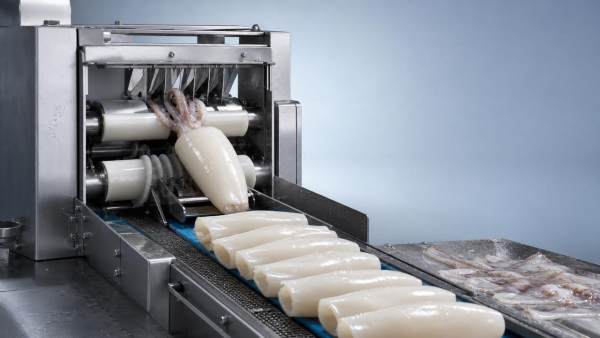
Yield loss on a squid peeling machine can erode product value long before defects become visible on the packing line. Poor peeling accuracy reduces usable meat, slows throughput, and increases trim waste. In seafood processing, even a small drop in recovery can affect margins across large daily volumes.
The good news is that most loss factors are measurable. Blade wear, feed pressure, squid grading, chilling condition, and cleaning discipline all shape performance. By understanding what affects yield loss on a squid peeling machine, processors can improve recovery, consistency, and line stability.
What does yield loss on a squid peeling machine actually mean?
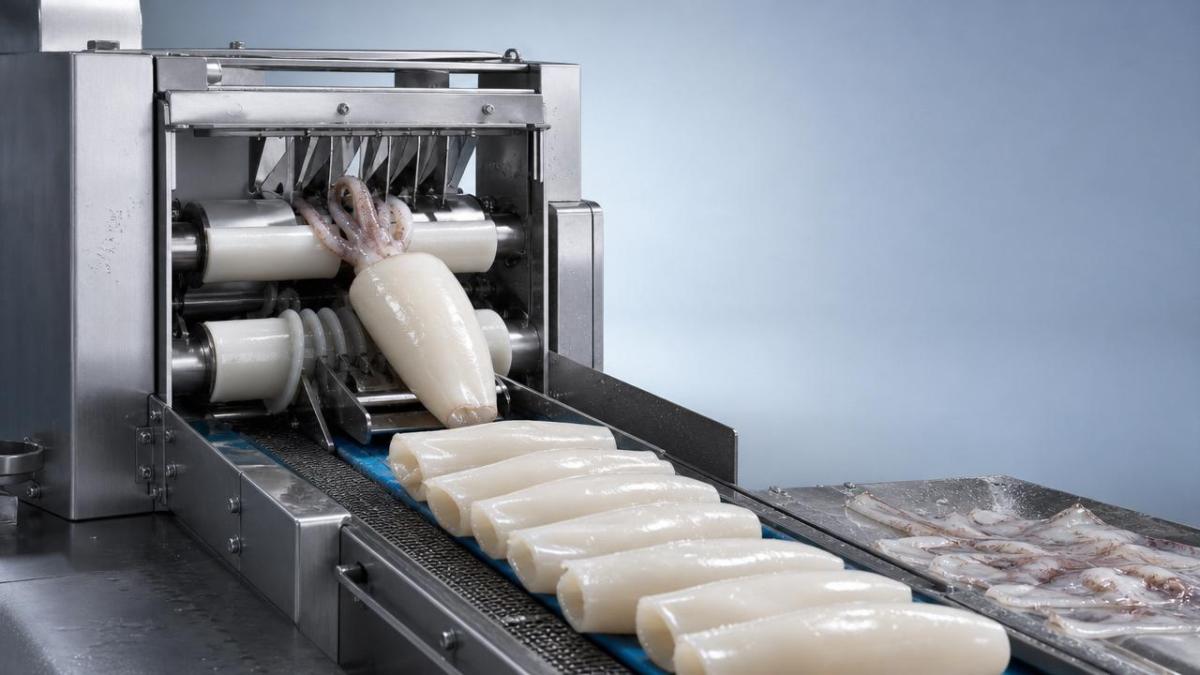
Yield loss on a squid peeling machine refers to edible material removed, damaged, or left unrecovered during peeling. It is not only visible waste. It also includes hidden losses from tearing, uneven skin removal, and excessive trimming after peeling.
A squid peeling machine should separate skin efficiently while preserving muscle structure. When settings or product conditions drift, the machine may cut too deep or peel too aggressively. That creates lower net weight and a less uniform final product.
There are three common yield loss forms:
- Direct meat removal with the skin
- Tearing caused by mechanical stress
- Rework losses from incomplete peeling
Accurate yield analysis should compare raw input weight, peeled output weight, rework volume, and reject rate. This gives a clearer picture than waste-bin weight alone.
Which machine settings most affect a squid peeling machine?
Machine settings are often the fastest route to either better yield or unnecessary loss. A squid peeling machine depends on precise balance, not maximum force. Over-adjustment usually harms recovery before it improves skin removal.
Blade sharpness and blade geometry
Dull blades drag the skin instead of lifting it cleanly. That increases friction and tears soft tissue. Excessively sharp or poorly aligned blades can also slice into the mantle surface.
Blade angle matters as much as blade condition. A small angle change can shift the peeling depth. Routine inspection should include edge quality, alignment, and mounting stability.
Pressure and roller tension
Pressure that is too high compresses the squid body and drives tissue into contact points. This can bruise, flatten, or rupture the product. Low pressure may fail to grip the skin, causing incomplete peeling.
Roller tension must match species size, tissue firmness, and chilling level. Standard settings rarely perform well across mixed lots.
Speed and feed rhythm
A squid peeling machine running too fast often loses precision. Product enters unevenly, skin detaches irregularly, and operators have less time to correct poor loading. Slower, stable feed often produces higher net yield.
Consistent loading rhythm is equally important. Surges and gaps create unstable contact conditions and variable results across the same batch.
How do squid raw material conditions influence peeling yield?
Even a well-calibrated squid peeling machine cannot overcome poor raw material control. The physical state of squid strongly affects how skin separates from edible tissue.
Size consistency
Mixed-size batches are a major cause of yield variation. Small squid may be over-processed under settings designed for larger bodies. Large squid may be under-peeled, leading to rework.
Pre-grading by size improves contact accuracy and reduces setting changes. This is one of the simplest ways to lower yield loss on a squid peeling machine.
Freshness and tissue strength
As squid ages, tissue becomes softer and more fragile. Soft tissue is easier to tear during peeling. Enzymatic breakdown also weakens structural integrity, especially in poorly chilled product.
Very fresh squid may peel differently from partially stored squid. Standardizing holding time before processing can improve machine consistency.
Temperature and thawing condition
Temperature affects firmness and skin adhesion. Over-thawed squid can become slippery and fragile. Under-thawed squid may resist clean peeling and strain the machine.
A narrow processing temperature window is usually best. Surface condition should be cool, firm, and uniform before feeding into the squid peeling machine.
Can operator technique and maintenance reduce yield loss?
Yes. A squid peeling machine may be automated, but yield still depends heavily on daily handling. Skilled setup and disciplined maintenance often produce better gains than hardware replacement alone.
Loading method
Incorrect orientation can expose delicate edges to cutting points. Uneven placement may create partial skin grip and off-center peeling. That increases damage and rework.
Operators should follow a standard loading method for mantle direction, spacing, and handoff timing. Small changes here can significantly improve yield recovery.
Cleaning frequency
Skin residue, protein buildup, and moisture films change friction characteristics. A squid peeling machine with dirty rollers or guides often shows inconsistent peeling depth.
Short cleaning intervals during production are often more effective than waiting for a full end-of-shift washdown. Hygienic performance also improves with this approach.
Preventive maintenance
Loose components, worn bearings, and unstable roller surfaces create vibration and uneven contact. These issues may not stop production, but they steadily increase yield loss on a squid peeling machine.
A preventive plan should track blade replacement intervals, roller wear, lubrication points, sensor function, and calibration checks. Maintenance records help identify hidden causes of drifting performance.
How can you diagnose whether the squid peeling machine or the raw squid is the problem?
Diagnosis should start with pattern recognition. If yield loss appears suddenly across all sizes, the squid peeling machine is a likely source. If losses vary by batch, raw material inconsistency may be driving the issue.
Use a controlled test with one standardized size group and fixed machine settings. Then compare results across different temperatures or freshness levels. This helps separate product effects from mechanical faults.
Tracking loss by hour, batch, operator, and size group creates a useful decision map. Without segmented data, many teams adjust the wrong variable.
What are the best ways to lower yield loss on a squid peeling machine?
Improvement usually comes from process discipline rather than one dramatic change. The most effective strategy combines raw material control, setup precision, and routine validation.
- Grade squid by size before peeling.
- Maintain a narrow product temperature range.
- Inspect blades at fixed production intervals.
- Standardize loading direction and feed spacing.
- Clean rollers and guides during the shift.
- Measure yield by batch, not only daily totals.
It is also wise to test adjustments one at a time. If speed, pressure, and blade angle are changed together, the true cause of improvement or failure becomes unclear.
When selecting or reviewing a squid peeling machine, focus on adjustment range, cleaning access, part stability, and support for repeatable calibration. Machines that are easy to fine-tune usually protect yield more effectively over time.
FAQ summary: which factors deserve the closest attention?
Yield loss on a squid peeling machine rarely comes from a single cause. It usually develops from several small deviations acting together. That is why a structured review works better than guesswork.
Start with the basics: grade the squid, stabilize temperature, inspect the blades, and verify pressure. Then record output changes after each adjustment. A squid peeling machine performs best when product condition and machine setup are controlled as one system.
If recovery rates remain unstable, build a simple trial plan for batch comparison, cleaning frequency, and operator standardization. Consistent measurement is the fastest path to lower waste and stronger processing performance.
Related Intelligence
- Commercial FishingWhat Should You Check in a Fishery Equipment Maintenance Contract?What should I look for in a fishery equipment maintenance contract? Explore coverage, response times, costs, records, safety, and biosecurity essentials.
- Commercial FishingDo commercial fishing vessels with hybrid diesel-electric propulsion reduce fuel cost per kg landed by more than 12%?Commercial fishing vessels with hybrid diesel-electric propulsion *can* cut fuel cost per kg landed by >12%—but only under precise operational and infrastructure conditions. Discover the real ROI.
- Commercial FishingHow to Choose Oyster Processing Equipment for Capacity, Hygiene, and Labor EfficiencyOyster processing equipment guide: compare capacity, hygienic design, and labor efficiency to build a reliable, scalable line and make smarter buying decisions.
The Morning Broadsheet
Daily chemical briefings, market shifts, and peer-reviewed summaries delivered to your terminal.
