

The Authority in Global Agricultural Chemistry & Bio-Resources
How to compare fish skinning machine wholesale offers
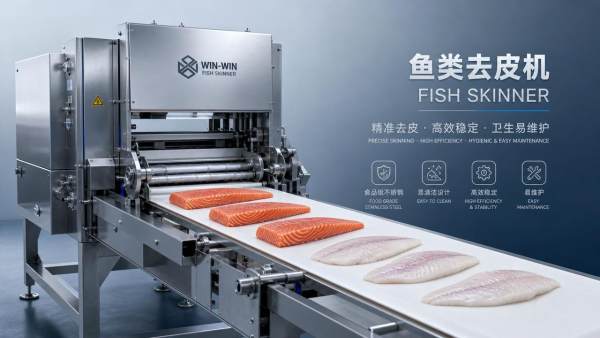
Why fish skinning machine wholesale comparisons are getting more technical
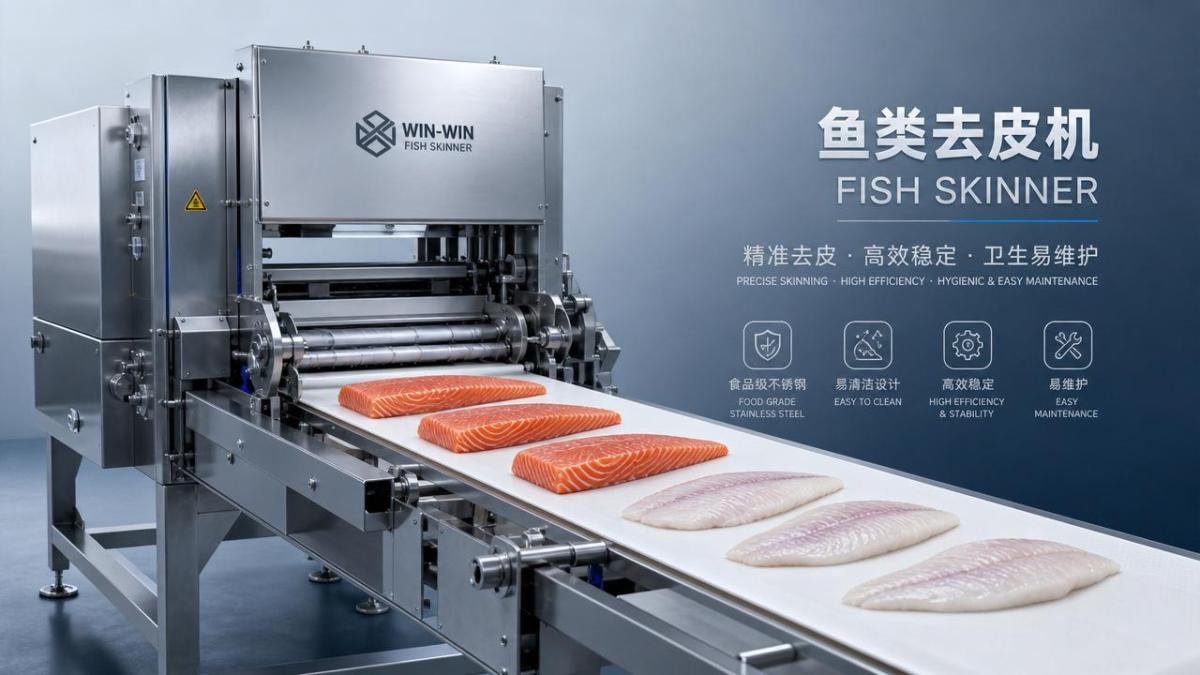
Evaluating fish skinning machine wholesale offers requires more than comparing list prices.
Commercial seafood processing now faces tighter hygiene rules, rising labor costs, and stronger pressure on yield recovery.
That shift has changed how buyers assess a fish skinning machine wholesale proposal.
A lower quote may hide weaker blade life, unstable skinning depth, or costly downtime.
The better benchmark is total production value across sanitation, consistency, maintenance, support, and compliance readiness.
Across aquaculture, fishery technology, and primary processing, fish skinning machine wholesale sourcing has become a strategic decision.
This is especially true for frozen fillet lines, fresh fish plants, and export-oriented processors.
Market signals show fish skinning machine wholesale offers are evolving fast
Several market signals explain why fish skinning machine wholesale comparisons now demand closer technical review.
First, processors want better yield from salmon, tilapia, catfish, cod, and flatfish applications.
Second, sanitation design matters more because cleaning validation affects uptime and audit outcomes.
Third, equipment buyers increasingly expect modular parts, faster blade replacement, and remote troubleshooting.
Fourth, energy use and labor reduction are now part of cost modeling.
As a result, fish skinning machine wholesale suppliers compete on process reliability, not only on entry price.
The strongest trend indicators in current offers
- More offers include food-grade stainless steel and open-frame sanitation layouts.
- Suppliers emphasize skinning yield, not just machine speed.
- Documentation for CE, FDA-contact materials, or local food safety standards appears more often.
- After-sales packages now mention spare kits, technician training, and video diagnostics.
- More fish skinning machine wholesale quotations separate optional conveyors, blades, and rollers.
The main forces behind changing fish skinning machine wholesale value
The rise in technical evaluation is driven by operational, regulatory, and commercial pressure across seafood plants.
These forces explain why fish skinning machine wholesale decisions now involve engineering, quality, and commercial review together.
What separates a strong fish skinning machine wholesale offer from a risky one
A useful fish skinning machine wholesale comparison should test five dimensions at the same time.
1. Skinning performance under real raw material conditions
Ask for performance data by species, fillet thickness, temperature range, and fresh or semi-frozen condition.
A machine that works well on salmon may perform differently on tilapia or catfish.
Reliable fish skinning machine wholesale offers provide test videos or factory acceptance evidence.
2. Blade, roller, and wear-part economics
Blade life directly affects cost per kilogram processed.
Check material grade, sharpening frequency, replacement intervals, and spare availability.
Some fish skinning machine wholesale deals look attractive until consumables are added.
3. Hygiene design and cleaning time
Open construction, smooth welds, drainage paths, and tool-free removal matter.
If cleaning takes too long, line utilization drops and contamination risk rises.
4. Service support and technical response
Compare warranty scope, commissioning support, training hours, and spare part lead times.
The best fish skinning machine wholesale supplier is often the one that reduces downtime fastest.
5. Documentation and compliance readiness
Check manuals, parts lists, electrical drawings, material contact declarations, and safety documentation.
Incomplete paperwork can delay installation or create audit problems later.
How these offer differences affect operations across the processing chain
Differences in fish skinning machine wholesale offers influence more than the skinning station itself.
They shape throughput stability, labor planning, sanitation scheduling, and finished product quality.
- Upstream impact: filleting consistency affects machine feed behavior and skin grip quality.
- Line impact: unstable skinning speed creates bottlenecks in trimming and packing stages.
- Quality impact: uneven removal can damage appearance and reduce premium-grade output.
- Maintenance impact: poor parts access increases stoppage time during shift changes.
- Commercial impact: low-cost machines may raise reject rates and service expenses.
In integrated seafood operations, fish skinning machine wholesale quality affects plant efficiency far beyond one purchase line.
The comparison points that deserve the closest attention now
Current market conditions reward structured comparison rather than fast quotation selection.
The following checkpoints help reveal the real strength of a fish skinning machine wholesale offer.
- Confirmed capacity per hour under named fish species and temperature conditions.
- Average flesh loss percentage during skin removal.
- Blade replacement cost and expected service interval.
- Cleaning and sanitation time per shift.
- Motor power, water exposure protection, and electrical safety design.
- Availability of local technicians or regional spare stock.
- Lead time for delivery, installation, and startup support.
- Evidence from similar fish skinning machine wholesale installations.
A practical framework for judging long-term value, not just purchase price
A side-by-side matrix can make fish skinning machine wholesale evaluations more objective.
This framework turns fish skinning machine wholesale review into a value decision grounded in operating evidence.
What to do next when reviewing fish skinning machine wholesale proposals
Start by defining the target species, fillet size range, shift hours, cleaning regime, and output requirement.
Then request standardized responses from each fish skinning machine wholesale supplier.
Ask for sample test evidence, spare part pricing, compliance files, and references from comparable plants.
Score each offer on yield, sanitation, durability, service, and total cost over three to five years.
Where possible, include a live demonstration using actual product conditions.
The most dependable fish skinning machine wholesale decision comes from verified performance, not brochure claims.
A disciplined comparison today can reduce risk, protect margins, and support stable seafood processing growth.
Related Intelligence
- Commercial FishingWhat Should You Check in a Fishery Equipment Maintenance Contract?What should I look for in a fishery equipment maintenance contract? Explore coverage, response times, costs, records, safety, and biosecurity essentials.
- Commercial FishingDo commercial fishing vessels with hybrid diesel-electric propulsion reduce fuel cost per kg landed by more than 12%?Commercial fishing vessels with hybrid diesel-electric propulsion *can* cut fuel cost per kg landed by >12%—but only under precise operational and infrastructure conditions. Discover the real ROI.
- Commercial FishingHow to Choose Oyster Processing Equipment for Capacity, Hygiene, and Labor EfficiencyOyster processing equipment guide: compare capacity, hygienic design, and labor efficiency to build a reliable, scalable line and make smarter buying decisions.
The Morning Broadsheet
Daily chemical briefings, market shifts, and peer-reviewed summaries delivered to your terminal.
