

The Authority in Global Agricultural Chemistry & Bio-Resources
Why Agri & Forestry machinery specifications get misread
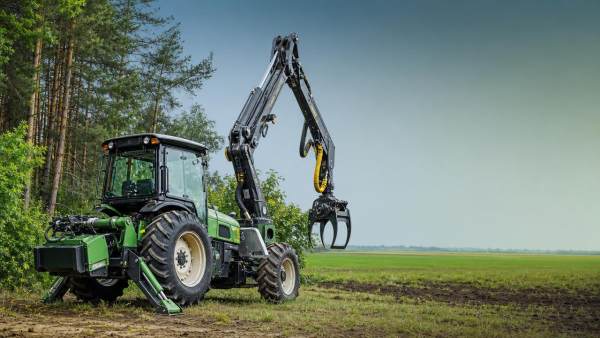
Agri & Forestry machinery specifications are often misread because technical sheets rarely describe real operating conditions in a unified way. One figure may be laboratory-based, another may reflect optional attachments, and a third may depend on local standards.
That gap matters across the wider industrial landscape. Misreading Agri & Forestry machinery specifications can distort cost forecasts, maintenance plans, fuel estimates, transport compliance, and long-term equipment suitability in demanding field environments.
When field reality differs from brochure data
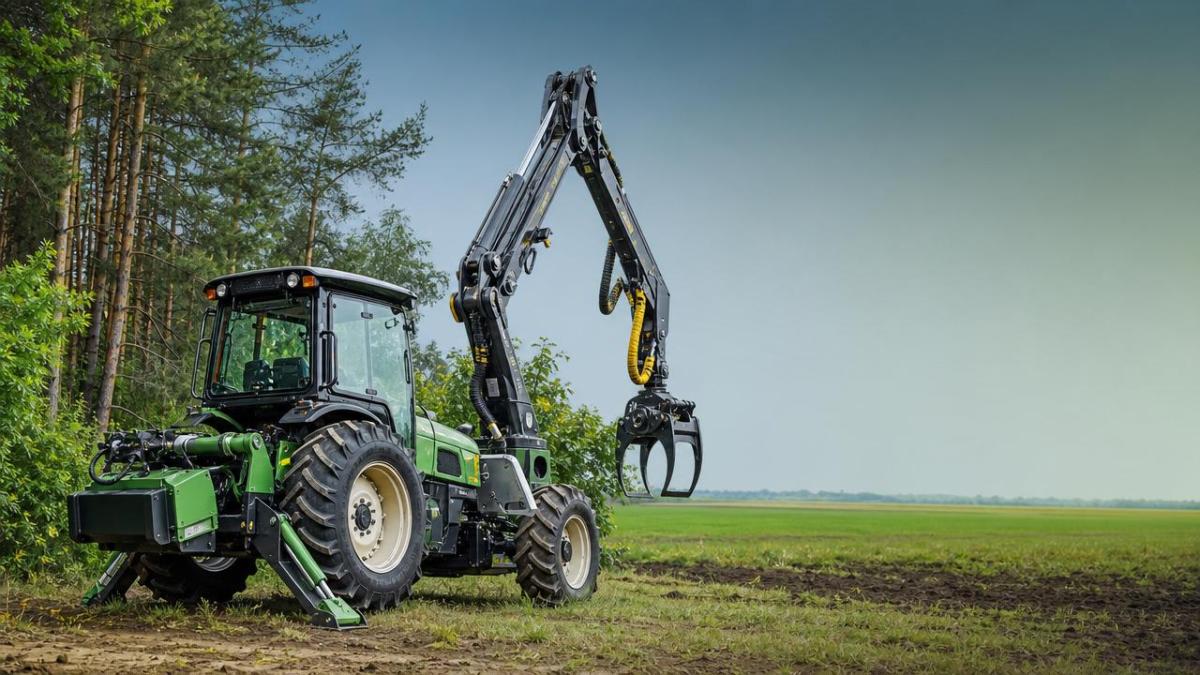
The first source of confusion is context. Agri & Forestry machinery specifications are usually written for comparison, not for direct operating prediction in every terrain, crop system, or logging condition.
A tractor rated for one horsepower output may deliver different usable performance at altitude, under hydraulic load, or with power take-off demand. A forestry unit may show lifting capacity without reflecting slope limits.
In mixed-industry supply chains, machinery also travels across markets using different measurement conventions. Metric and imperial conversions, emissions stages, and safety configurations can all alter interpretation without changing the base model name.
Why the same number can mean different things
Engine power may be shown as gross power, net power, PTO power, or hydraulic power demand support. Capacity may mean struck volume, heaped volume, or throughput under ideal material flow.
Weight figures create similar problems. Operating weight, shipping weight, empty weight, and maximum permissible mass are not interchangeable, yet they are often treated as if they are identical.
Scenario one: comparing tractors for crop operations
In row-crop and general farm use, Agri & Forestry machinery specifications are commonly misread when attention stays on engine horsepower alone. Field productivity depends on traction, ballast, transmission setup, and implement matching.
Wheelbase, turning radius, hydraulic flow, and rear lift capacity can matter more than headline power. A high-rated engine may underperform in wet ground if tire options or axle load distribution are poorly understood.
Core judgment points for crop machinery
- Check whether horsepower is gross, net, or PTO-rated.
- Verify hydraulic flow at rated speed, not only peak flow.
- Confirm lift capacity at the correct hitch point.
- Review transport width, soil compaction impact, and tire fitment.
Scenario two: evaluating forestry equipment for uneven terrain
Forestry applications expose another weakness in how Agri & Forestry machinery specifications are interpreted. Static figures often hide the effect of slope, reach angle, boom extension, and surface stability.
A loader crane may advertise a strong lift figure, yet that number may apply only at minimum reach on level ground. Real timber handling performance changes sharply with extension and terrain irregularity.
Ground clearance and guarding also deserve close review. A machine suited to plantation thinning may not withstand rocky extraction routes, branch impact, or continuous debris exposure in harsher forest cycles.
Core judgment points for forestry machinery
- Read lift charts by radius and boom position.
- Check stability assumptions and slope limitations.
- Separate nominal reach from productive reach.
- Inspect guarding, cooling protection, and underbody design.
Scenario three: matching harvest and processing capacity
Harvesters, chippers, balers, and grain handling units are often compared through throughput numbers. Yet Agri & Forestry machinery specifications for capacity usually depend on moisture, material density, and feed consistency.
A chipper rated at one output level for uniform softwood may behave very differently with mixed species, dirty feedstock, or oversize branches. Grain systems may quote ideal transfer rates with dry, clean material.
This is where downstream disruption begins. If capacity assumptions are overstated, transport scheduling, storage planning, labor allocation, and fuel budgeting can all drift off target.
How specification needs change across operating scenarios
Practical ways to read Agri & Forestry machinery specifications correctly
The safest method is to convert every headline number into an operating question. Instead of asking what the machine can do in theory, ask under which conditions the specification remains valid.
A useful verification checklist
- Request the test standard behind each key rating.
- Ask whether optional equipment changes weight or capacity.
- Compare performance with the intended attachment installed.
- Check environmental compliance for the destination market.
- Confirm maintenance intervals under heavy-duty use, not only standard use.
- Review transport dimensions in working and folded positions.
This approach makes Agri & Forestry machinery specifications more comparable across brands. It also reduces the risk of selecting equipment that looks competitive on paper but struggles in field execution.
Common mistakes that distort sourcing decisions
One common error is mixing standard and optional configurations. Cab protection, tire package, boom extension, counterweights, and emissions modules can materially change machine performance and legal transport status.
Another error is treating international model names as perfectly identical. Regional versions may have different engines, guarding, software limits, hydraulic tuning, or certification pathways despite nearly matching literature.
A third mistake is ignoring duty cycle. Agri & Forestry machinery specifications may hold in intermittent use, but sustained commercial operation can reveal cooling limits, wear rates, and fuel consumption patterns not obvious in summary sheets.
Frequently overlooked details
- Auxiliary hydraulic requirements for attachments
- Actual service access in dirty or wooded conditions
- Cooling performance in hot climates
- Fuel quality sensitivity and filtration needs
- Telematics compatibility with fleet reporting systems
Why information discipline matters in a regulated global market
As regulation, emissions rules, and reporting expectations expand, Agri & Forestry machinery specifications are no longer just technical reference points. They shape compliance, insurance, transport approval, and lifecycle accountability.
That makes careful interpretation essential across the broader industrial economy. Equipment choices influence raw material flow, processing uptime, environmental performance, and capital planning far beyond the worksite itself.
Next-step actions before comparing machines across markets
Build a comparison sheet that standardizes every critical metric. Include rating method, configuration status, attachment assumptions, operating surface, climate expectations, and transport limits beside each specification entry.
Then request supporting technical documents, not only brochures. Service manuals, lift charts, emissions certificates, and field performance references often reveal the conditions hidden behind headline Agri & Forestry machinery specifications.
Clear interpretation prevents expensive mismatch. When Agri & Forestry machinery specifications are read through actual use scenarios, decisions become more reliable, more comparable, and far more resilient in complex global operating environments.
Related Intelligence
- Heavy Agri MachineryMachinery Supplier Verification: A Due-Diligence Checklist for Overseas BuyersMachinery supplier verification made practical: use this due-diligence checklist to assess quality, compliance, export readiness, and after-sales support before buying overseas.
- Heavy Agri MachineryHow to Assess Heavy Agricultural Machinery Producers for Dealer Support and Parts AvailabilityHeavy agricultural machinery producers: learn how to assess dealer expertise, critical parts availability, service response, and downtime risk before you buy.
- Heavy Agri MachineryCan Agricultural Equipment Be Retrofitted for Precision Agriculture?Can agricultural equipment be retrofitted for precision agriculture? Discover practical upgrades, compatibility checks, costs, and smarter ways to boost farm efficiency.
The Morning Broadsheet
Daily chemical briefings, market shifts, and peer-reviewed summaries delivered to your terminal.
