

The Authority in Global Agricultural Chemistry & Bio-Resources
Wholesale Lawn Mowers: How to Compare Engine, Deck, and Warranty Options
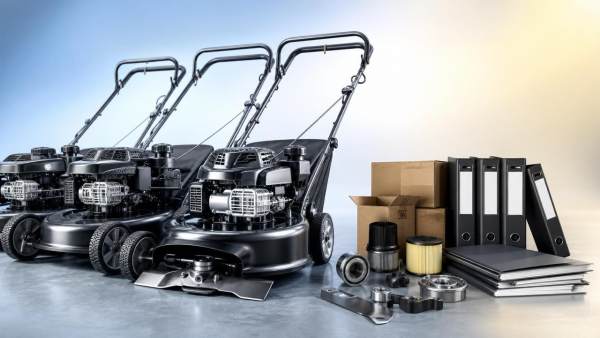
For dealers, distributors, and agents, sourcing wholesale lawn mowers is not just about securing a low unit price—it is about comparing the technical features that determine resale value, service costs, and customer satisfaction. Engine performance, deck construction, cutting efficiency, and warranty coverage all influence long-term profitability in a competitive equipment market. This guide outlines how to evaluate these core factors with a procurement-focused lens, helping buyers identify mower lines that meet commercial expectations while supporting stronger margins and more reliable after-sales performance.
What Should Dealers Confirm Before Buying Wholesale Lawn Mowers?
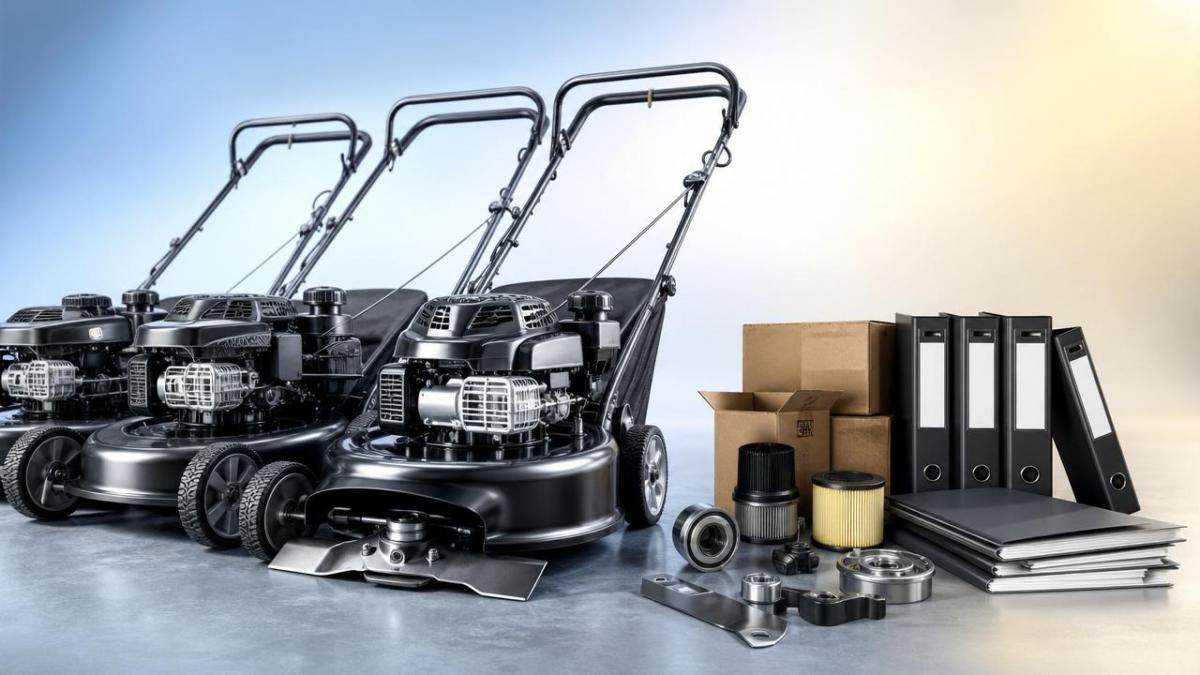
The wholesale lawn mowers category covers walk-behind mowers, self-propelled units, zero-turn mowers, compact ride-ons, and commercial turf machines. Each format serves different end users, from homeowners to landscape contractors.
For distributors, the key question is not whether a mower cuts grass. The real question is whether the model fits local terrain, maintenance capability, fuel preference, and customer price tolerance.
AgriChem Chronicle evaluates agricultural and forestry machinery through a procurement lens. That means engine reliability, parts availability, documentation quality, and compliance readiness matter as much as catalog specifications.
- Define the buyer segment first, because residential dealers, rental fleets, and commercial landscaper channels expect different durability levels.
- Match deck size and propulsion type to regional mowing habits, typical lawn area, and transportation limits.
- Confirm warranty administration terms before ordering, including claim evidence, labor reimbursement, and replacement parts timing.
- Review packaging, manuals, spare blades, and service instructions, because these details affect dealer workload after delivery.
A strong wholesale lawn mowers program reduces uncertainty for downstream sellers. It gives sales teams clear talking points and gives service teams fewer avoidable complaints.
How to Compare Engine Options for Wholesale Lawn Mowers
Engine selection is often the first technical filter in wholesale lawn mowers procurement. Buyers should compare displacement, torque curve, starting system, fuel efficiency, and emissions compliance.
For resale channels, the engine must support reliable operation under inconsistent user behavior. Commercial customers may run machines daily, while homeowners may store them for months.
Before negotiating a container order, compare engine categories against the customer applications your sales network serves most often.
This comparison shows why engine selection should be tied to use intensity. For wholesale lawn mowers, a low engine cost can become expensive if it increases returns.
Engine Questions That Reveal Supplier Readiness
Ask suppliers for service intervals, recommended oil grade, emissions documentation, and spare part lists. Serious manufacturers should provide consistent technical files without delaying basic procurement review.
Dealers selling wholesale lawn mowers into regulated markets should also check whether engines align with local emissions rules, noise limits, and product safety expectations.
Deck Construction: Why the Cutting Platform Drives Resale Value
The deck is the mower’s structural and performance center. It determines cutting width, airflow, clipping discharge, corrosion resistance, vibration behavior, and long-term user satisfaction.
When comparing wholesale lawn mowers, dealers should avoid judging deck size alone. A wider deck may reduce mowing time, but only if the engine, blade system, and chassis support it.
Use the following selection view to compare practical deck choices across customer groups and inventory strategies.
A deck decision should reflect field conditions. Wholesale lawn mowers sold in wet, sandy, or high-debris regions need different materials than units sold for light suburban use.
Cutting Width, Discharge, and Mulching Decisions
Cutting width influences productivity, but maneuverability matters in narrow gardens and landscaped sites. Dealers should carry sizes that match local property layouts, not just larger specifications.
Discharge options also affect customer satisfaction. Side discharge suits rougher mowing, rear bagging supports neat finishes, and mulching appeals to users managing organic matter onsite.
Warranty Comparison: The Hidden Margin Factor in Wholesale Lawn Mowers
Warranty terms are often treated as afterthoughts, yet they directly affect dealer profitability. A generous promise is not valuable unless claim processing is practical and documented.
In wholesale lawn mowers procurement, warranty comparison should include time period, covered components, labor policy, parts dispatch speed, and exclusions for misuse or commercial operation.
The table below helps distributors compare warranty language before signing a supply agreement or placing seasonal inventory orders.
A realistic warranty can be better than a broad but vague one. Wholesale lawn mowers should come with claim workflows that dealers can explain to customers clearly.
Application Scenarios: Matching Mower Lines to Sales Channels
Different sales channels judge value differently. Agents supplying hardware stores need easy-to-explain features, while distributors serving landscapers need uptime, torque, and service documentation.
Wholesale lawn mowers should therefore be grouped by application scenario before pricing is negotiated. This prevents overstocking models that look attractive but sell slowly.
- Residential retail channels usually benefit from simple starting systems, moderate deck widths, clear packaging, and consumer-friendly maintenance instructions.
- Commercial landscaper channels need reinforced decks, durable wheels, accessible belts, strong torque, and rapid blade replacement procedures.
- Rental fleets should prioritize abuse tolerance, standardized parts, transport tie-down points, and service logs for each machine.
- Municipal or institutional buyers may ask for safety documentation, noise data, emissions information, and longer parts support commitments.
This segmentation allows dealers to build a tiered portfolio. Entry models generate traffic, mid-range models support volume, and commercial units protect margin.
Inventory Balance for Seasonal Demand
Seasonality is a major challenge in wholesale lawn mowers distribution. Orders placed too late can miss peak demand, while excessive inventory ties up cash after spring.
A practical approach is to divide procurement into core stock, promotional stock, and replacement parts. This improves availability without forcing every model into deep inventory.
Compliance, Documentation, and Supplier Verification
For agricultural and forestry machinery channels, compliance is not limited to finished product safety. It also covers engines, chargers, batteries, packaging, manuals, and traceable labeling.
AgriChem Chronicle’s editorial work across primary industries emphasizes technical transparency. Dealers comparing wholesale lawn mowers should request documents before shipment, not after complaints begin.
Common reference points may include general machinery safety principles, applicable electrical safety rules for battery products, emissions requirements, and local consumer product labeling obligations.
- Request technical data sheets that match the exact model, engine, deck, battery, and accessory configuration being purchased.
- Check whether manuals include safe operation, maintenance intervals, blade handling, storage, and troubleshooting guidance.
- Confirm that packaging supports warehouse handling, pallet stacking, barcode control, and reasonable protection during long-distance logistics.
- Ask for a spare parts roadmap covering fast-moving consumables, wear components, and replacement assemblies.
Reliable suppliers should be willing to discuss documentation gaps. If a factory avoids basic compliance questions, the purchase price may hide operational risk.
Cost Analysis: Unit Price Versus Total Dealer Exposure
A low quote can be attractive, especially when dealers face budget limits and competitive retail pressure. Yet wholesale lawn mowers create costs beyond the invoice.
Total exposure includes freight, duty, warehousing, pre-delivery inspection, warranty labor, spare parts, unsold inventory, and sales training. These factors change the real margin.
Use cost mapping to compare suppliers with different technical and service packages, rather than choosing only by visible unit cost.
A better procurement decision balances price and operational predictability. Wholesale lawn mowers with stronger documentation may protect margins better than cheaper, unsupported units.
Common Mistakes When Sourcing Wholesale Lawn Mowers
Many distributors make similar mistakes during seasonal buying. These errors are usually not caused by lack of effort, but by incomplete comparison criteria.
- They compare horsepower claims without checking torque behavior, deck load, or cutting performance in thick grass.
- They accept warranty headlines without confirming claim timing, replacement part availability, and commercial-use exclusions.
- They purchase too many similar models, making sales training harder and spare parts planning less efficient.
- They overlook manuals, packaging, and labeling, even though these items affect customer returns and regulatory confidence.
Avoiding these mistakes makes wholesale lawn mowers easier to sell, service, and reorder. It also helps agents defend pricing when competitors discount aggressively.
FAQ: Procurement Questions Dealers Ask Most Often
How many mower types should a distributor carry at launch?
A focused launch is usually safer. Many distributors start with one residential model, one self-propelled upgrade, and one commercial or zero-turn option if service capacity exists.
Are battery models suitable for wholesale lawn mowers programs?
Yes, but only when runtime, charger supply, battery replacement, and after-sales education are clear. Battery units sell best where noise and maintenance reduction matter.
What is more important, engine brand or deck durability?
Both matter, but the priority depends on the user. Residential buyers notice easy starting, while contractors quickly identify weak decks, poor spindles, and difficult service access.
What should be reviewed before confirming a bulk order?
Review sample performance, technical documents, packaging, spare parts, warranty terms, logistics timing, and regional compliance needs. Wholesale lawn mowers should not be ordered on catalog claims alone.
Why Choose AgriChem Chronicle for Procurement Intelligence and Supplier Visibility
AgriChem Chronicle serves institutional buyers, agricultural operators, OEMs, and technical decision-makers across primary industries. Its editorial framework supports clearer evaluation of agricultural and forestry machinery.
For dealers comparing wholesale lawn mowers, ACC can help frame procurement questions around engine specifications, deck construction, warranty terms, compliance documentation, and after-sales risk.
Manufacturers and equipment suppliers can also use ACC’s industry-focused publishing environment to present validated capabilities, technical whitepapers, machinery data, and supply chain transparency to serious buyers.
If you are preparing a mower line comparison, planning seasonal inventory, or evaluating a supplier profile, contact AgriChem Chronicle to discuss parameters, product positioning, delivery schedules, certification expectations, sample support, and quotation review.
Related Intelligence
- Heavy Agri MachineryHow Does Market Forecasting Help Plan Farm Machinery Procurement?How does market forecasting help agri procurement planning? Discover how to time machinery purchases, protect cash flow, and reduce delivery risks before critical farm deadlines.
- Heavy Agri MachineryIs It Safe to Source Farm Machinery from Emerging Markets?Is it safe to source agri machinery from emerging markets? Discover how to verify suppliers, check compliance, and secure parts support to protect your farm and avoid costly buying mistakes.
- Heavy Agri MachineryHow to Size a Combine Harvester for Acreage, Crop Mix, and Harvest WindowsCombine harvesters sized for your acreage, crop mix, and harvest window: calculate real field capacity, match headers, and avoid costly bottlenecks.
The Morning Broadsheet
Daily chemical briefings, market shifts, and peer-reviewed summaries delivered to your terminal.
